
Key Factors to Consider Before Hiring an Android App Development Partner
A Practical Guide to Choosing the Right Development Partner for Successful Android App Projects


The global mobile application market is a booming industry. It was valued at USD 289.17 billion in 2024 and is projected to reach USD 1,103.48 billion by 2034, growing at a remarkable CAGR of 21.55% from 2025 to 2034. Specifically, the Android ecosystem holds a significant portion of this market. In Q4 2024, Android maintained its position as the world's leading mobile operating system with a 72% market share.
This growth underscores the critical need for businesses to invest in robust, high-quality Android applications. However, developing a successful Android app is complex. It requires specialized skills, significant resources, and a deep understanding of the Android platform. This article explores the crucial factors businesses must consider before engaging an Android app development company to ensure a successful partnership and product.
Understanding Your Needs
Before approaching any Android app development company, clearly define your project. This initial self-assessment is fundamental. It lays the groundwork for effective communication and helps you select a partner aligned with your vision.
Define Project Objectives
Start by identifying the core purpose of your app. What problem does it solve? What value does it offer users? Clearly state your business goals for the app. Are you aiming for increased user engagement, higher sales, or improved operational efficiency? Use the SMART criteria: specific, measurable, achievable, relevant, and time-bound. For example, "Increase active users by 25% within six months of launch" is a SMART goal.
Identify Your Target Audience
Knowing your target audience is paramount. Who will use your app? What are their demographics, preferences, and pain points? Understanding your users helps tailor the app's features, design, and marketing strategy. A fitness app for young adults may prioritize gamification. A healthcare app for seniors needs simplicity and accessibility.
Outline Core Features and Functionalities
Create a detailed list of essential features. Distinguish between "must-have" and "nice-to-have" features. Prioritize these to define your Minimum Viable Product (MVP). An MVP allows you to launch faster, gather user feedback, and iterate. This phased approach saves time and resources. Consider functionalities like user profiles, payment gateways, push notifications, and AI-driven recommendations.
Assessing Technical Expertise and Experience
The technical prowess of your chosen Android app development company is non-negotiable. It directly impacts the quality, performance, and scalability of your app.
Portfolio and Track Record
Review the company's past work. Look for a portfolio demonstrating successful Android app development. Examine apps they have built. Test them if possible. Pay attention to user interfaces (UI) and overall functionality. Look for projects similar to your app idea. This indicates their familiarity with your industry or niche. A strong portfolio shows their ability to deliver.
Technical Proficiency
Verify the company's expertise in core Android technologies. This includes programming languages like Kotlin and Java. These are the primary languages for native Android development. For cross-platform solutions, check their experience with frameworks like Flutter or React Native. If your app requires advanced features, inquire about their knowledge in areas like AI, machine learning, IoT integration, or AR/VR.
Quality Assurance Practices
A robust Quality Assurance (QA) process is vital. Ask about their testing methodologies. Do they perform manual, automated, and performance testing? Do they integrate testing throughout the development lifecycle? A reliable partner ensures the app is bug-free and performs well. Post-launch support for bug fixes and updates is also crucial.
Communication and Project Management
Effective communication and a transparent project management approach are key to a smooth development process.
Communication Channels and Frequency
Discuss their communication protocols. How often will they provide updates? What tools do they use for communication (email, video calls, project management software)? Ensure they are responsive and proactive. Clear, consistent communication prevents misunderstandings. It also keeps your project on track.
Project Management Methodology
Inquire about their project management approach. Many companies use Agile methodologies. Agile involves iterative development, regular feedback, and flexibility. This allows for adjustments based on changing requirements. A structured approach ensures milestones are met and challenges are addressed promptly.
Cultural Alignment
Consider the cultural fit between your company and the development partner. Shared values and a compatible working style enhance collaboration. This leads to a more enjoyable and productive relationship. Discuss their core values and decision-making processes.
Cost and Budget Transparency
Cost is always a major factor. However, prioritize value over the lowest price.
Pricing Structure
Understand their pricing model. Do they offer fixed-price, time-and-materials, or dedicated team models? A reputable company provides transparent pricing. They should give a detailed cost breakdown. This helps avoid hidden fees.
Total Cost of Ownership
Factor in not just development costs. Consider long-term expenses like app maintenance, updates, and post-launch support. Maintenance costs typically range from 15-20% of the initial development cost annually. A comprehensive estimate ensures no surprises.
Value for Money
The quality of the final product should justify the cost. A cheaper option may lead to a low-quality app. This can result in poor user experience and higher long-term issues. Focus on getting good value for your investment.
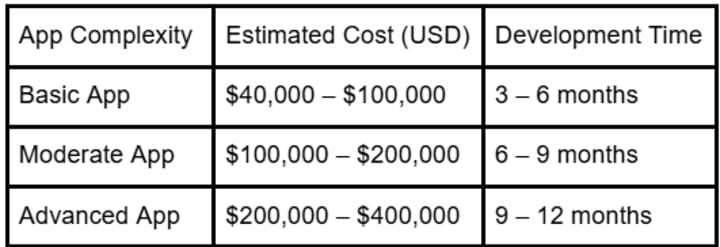
(Note: These are average estimates and can vary based on location, features, and team size.)
Legal and Security Considerations
Protecting your intellectual property and user data is paramount.
Data Protection and Compliance
Ensure the company adheres to data protection best practices. This includes strong encryption methods. They should be familiar with relevant regulations. Examples include GDPR or HIPAA, depending on your industry. Regular security testing, including vulnerability assessments, is crucial.
Intellectual Property Rights
Clearly define intellectual property ownership in your contract. Ensure you retain full ownership of the source code and design assets. Review all legal agreements carefully. This protects your investment and future rights.
Non-Disclosure Agreements (NDAs)
Sign an NDA before sharing sensitive project details. This protects your idea and proprietary information. A trustworthy partner will readily agree to an NDA.
Post-Launch Support and Maintenance
An app's journey does not end at launch. Ongoing support is essential for its long-term success.
Maintenance and Updates
Discuss their post-launch support offerings. This includes bug fixes, security updates, and performance optimization. Mobile operating systems evolve constantly. Your app needs regular updates to remain compatible and secure.
Feature Enhancements
A good Android app development company will offer services for future feature enhancements. As your business grows, your app should evolve. Scalability is a key consideration. The partner should be able to adapt to new requirements.
Conclusion
Choosing the right Android app development company is a strategic decision. It significantly impacts your app's success. By carefully evaluating factors like technical expertise, communication, cost transparency, and post-launch support, businesses can forge strong partnerships. These partnerships lead to the development of high-quality Android applications. Such apps meet market demands and drive business growth. Investing time in this selection process will yield substantial long-term benefits. It ensures your Android App Development Services truly deliver value.
About the Creator
William Smith
I am an informative tech blogger exploring a wide range of topics, including web, mobile, IoT, etc.
Keep reading
More stories from William Smith and writers in Journal and other communities.
Top Embedded Software Development Solutions for Smart Devices in 2025
As we enter 2025, the world of smart devices continues to evolve rapidly, transforming industries and everyday lives. From wearable health trackers to intelligent home systems, embedded software powers a wide range of devices that are integral to modern life. Embedded systems are becoming more sophisticated, requiring developers to adopt cutting-edge embedded software services to meet the demands of smart devices.
By William Smith8 months ago in Journal


Comments
There are no comments for this story
Be the first to respond and start the conversation.