
Japan Telecom Market Set to Reach US$ 181.72 Billion by 2033
5G Expansion, High-Speed Data Demand, and Smart City Initiatives Drive Industry Growth

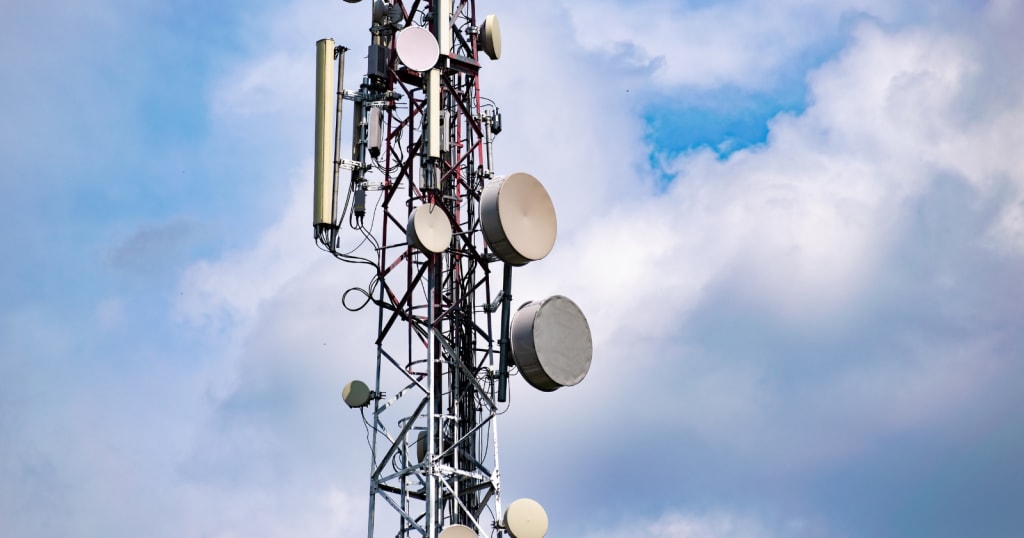
According to Renub Research Recent Report Japan Telecom Market is expected to grow from US$ 116.84 billion in 2024 to US$ 181.72 billion by 2033, reflecting a Compound Annual Growth Rate (CAGR) of 5.03% from 2025 to 2033. Market growth is fueled by technological advancements, increasing demand for high-speed internet, and rapid adoption of 5G services across various industries.
Japan Telecom Market Overview
Telecommunications, or telecom, refers to the transmission of information over distances for communication purposes. In Japan, telecom services play a critical role in connecting individuals, businesses, and government institutions. The sector offers a wide array of services including landline and mobile voice, data and messaging, internet connectivity, and broadcasting.
With one of the highest mobile penetration rates in the world, Japan has embraced 5G technology, which supports ultra-high-speed connectivity, low latency, and enterprise IoT applications. Telecom services are integral to daily life, enabling communication via messaging apps, social media, streaming, and online commerce. Businesses rely on robust telecom infrastructure for cloud computing, AI-based solutions, and remote work operations.
Moreover, telecom is a cornerstone of smart city initiatives, supporting traffic management, public safety, and infrastructure monitoring. Japan’s telecom ecosystem provides a fertile environment for innovation, digitalization, and economic development, making it a key enabler of modern society.
Aggressive 5G Rollout
A primary driver of market expansion is the rapid deployment of 5G networks by major operators like NTT Docomo, KDDI, SoftBank, and Rakuten Mobile. 5G networks offer high-speed connectivity, low latency, and support for IoT devices, which are crucial for autonomous transportation, industrial automation, and smart cities.
Government initiatives focused on digitalization and technological innovation further accelerate adoption. 5G enables enriched customer experiences through cloud gaming, high-quality streaming, and enterprise solutions. For instance, in March 2025, Rakuten Mobile announced the use of Fujitsu radio units to expand its 5G (Sub6) network efficiently across Japan.
Rising Demand for Data Services
Japan’s technology-driven society has spurred significant growth in high-speed data consumption. Mobile internet is increasingly used for streaming, e-commerce, social media, and cloud-based enterprise applications.
The COVID-19 pandemic further accelerated digital adoption, driving increased usage of mobile and fixed broadband. Telecom operators are expanding capacity to handle growing traffic, with Japan being one of the countries with the highest fiber-optic broadband penetration globally.
High-bandwidth applications, including 4K/8K video streaming, AI-powered services, and remote work platforms, guarantee stable growth in both mobile and fixed data revenue streams. In June 2025, ST Telemedia Global Data Centres (Japan) inaugurated its first data center, STT Tokyo 1, enhancing its Northeast Asia presence and supporting regional digital infrastructure.
Government Programs and Smart City Initiatives
The Japanese government actively supports telecom market growth through programs like Society 5.0, which integrates digital technologies across sectors. Major smart city projects in Tokyo, Osaka, and other metropolitan areas rely on robust telecom networks for IoT, AI, and big data analytics.
Public investments in rural broadband and nationwide connectivity also promote digital inclusion. Government-backed programs encourage private sector investment, facilitate autonomous mobility, telemedicine, and e-governance, and solidify telecom as a critical pillar of Japan’s technological progress.
For example, the 2023 Smart City Investment Program, led by the Cabinet Office and three other ministries, funds urban and regional smart city initiatives, inviting industry proposals to support sustainable infrastructure and digital innovation.
Challenges in the Japan Telecom Market
Intense Market Competition
Japan’s telecom sector is highly competitive, dominated by NTT Docomo, KDDI, SoftBank, and Rakuten Mobile. Fierce competition has led to price wars, compressing average revenue per user (ARPU) and challenging operator profitability.
Rakuten Mobile’s low-cost, disruptive strategy keeps competition intense, benefiting consumers but eroding profit margins. Operators must balance affordable plans with the need for high-capital investments in 5G and network upgrades, making sustainable growth a challenge.
High Infrastructure Investment
Telecom operators face substantial capital expenditure to build and maintain advanced infrastructure, particularly for nationwide 5G rollout. Investments include fiber-optic upgrades, small-cell deployments in urban areas, and extending connectivity to rural regions.
Operators also invest heavily in R&D for future 6G technologies, which adds further financial pressure. Balancing innovation, affordability, and profitability in such a capital-intensive market is a key challenge for Japan’s telecom operators.
Segment Analysis
Wireless Voice Services
While traditional wireless voice services remain relevant for enterprise and mature users, there is a gradual shift toward data-centric communication. Voice revenues are declining, but technologies like VoLTE and 5G-based voice services maintain service quality. Operators increasingly bundle voice with data plans to retain market share, adapting to consumer preferences for internet-based communication platforms.
Data and Messaging Services
High-speed mobile and fixed broadband services are the backbone of Japan’s telecom growth. Increasing adoption of streaming, cloud computing, AI, and IoT has intensified demand for reliable and scalable data services. Operators are expanding infrastructure and introducing high-bandwidth solutions to meet rising consumer and enterprise needs.
OTT and Pay-TV Services
OTT (Over-The-Top) and Pay-TV services are experiencing significant growth. Platforms such as Netflix, Amazon Prime, U-NEXT, and AbemaTV benefit from Japan’s high-speed internet penetration.
While Pay-TV remains relevant for live sports and local programming, younger consumers are increasingly migrating to on-demand, streaming platforms. Operators are responding with bundled telecom and content services, driving innovation in pricing, content customization, and platform accessibility.
Regional Market Analysis
Tokyo Telecom Market
Tokyo, Japan’s capital and largest metropolitan area, drives the telecom market with high population density and concentrated business activity. It leads in 5G adoption, smart city initiatives, and enterprise digitalization.
Tech-savvy residents generate high demand for mobile data, OTT services, and IoT-enabled solutions. Telecom operators invest heavily in network upgrades, cloud computing, AI, and remote work infrastructure, making Tokyo the epicenter of Japan’s telecom growth.
Saitama Telecom Market
As part of the Greater Tokyo Area, Saitama is emerging as a spillover growth zone. The prefecture combines residential and industrial demand, with increasing reliance on high-speed internet, streaming, and digital services.
The expansion of smart homes and enterprise connectivity drives investment in fiber-optic and 5G networks, making Saitama a critical component of the regional telecom ecosystem.
Fukuoka Telecom Market
Fukuoka, a key city in Kyushu, is gaining traction as a telecom growth hub. The city’s focus on startups, innovation, and digital transformation is boosting demand for broadband, mobile data, and smart city solutions. Telecom operators are deploying 5G, IoT, and cloud-based services to meet consumer and enterprise needs, establishing Fukuoka as a strategic regional market.
Shizuoka Telecom Market
Shizuoka benefits from its location between Tokyo and Nagoya, supporting both industrial and residential telecom demand. Rising digital consumption, e-commerce, and IoT adoption fuel data usage, while operators expand fiber-optic coverage and 5G deployment to enhance service quality. The combination of industrial and consumer needs positions Shizuoka as a steadily growing regional market.
👉 For deeper analysis, detailed segment data, and company insights: 🔗 Request Customization Report
By Services:
Voice Services (Wired & Wireless)
Data and Messaging Services
OTT and Pay-TV Services
By Top Cities:
Tokyo
Kansai
Aichi
Kanagawa
Saitama
Hyogo
Chiba
Hokkaido
Fukuoka
Shizuoka
Key Players
Nippon Telegraph and Telephone Corporation (NTT Docomo)
KDDI Corporation
SoftBank Group Corp.
Rakuten Mobile, Inc.
Internet Initiative Japan, Inc.
JSAT Corporation
TOKAI Communications Corporation
IIJ Holdings Corporation
These companies are investing in 5G, fiber-optic networks, OTT platforms, and enterprise solutions, driving the market forward and strengthening Japan’s digital and telecommunications landscape.
Conclusion
The Japan Telecom Market is poised for steady growth, driven by 5G expansion, rising data demand, and government-supported smart city projects. While challenges such as intense competition and high infrastructure costs persist, innovation, bundled services, and regional digital expansion are fostering sustainable market development.
Cities like Tokyo, Saitama, Fukuoka, and Shizuoka are emerging as key growth hubs, reflecting both consumer and industrial demand. With ongoing investment in next-generation technologies and digital infrastructure, Japan’s telecom sector will continue to be a vital enabler of connectivity, innovation, and economic progress through 2033.
Note: If you need details, data, or insights not covered in this report, we are glad to assist. Through our customization service, we will collect and deliver the information you require, tailored to your specific needs. Share your requirements with us, and we will update the report to align with your expectations.
About the Creator
Diya Dey
Market Analyst
The goals I did not achieve
Every writing goal I made for the year is a wash. It has been this way for a while, but I think it's important to be open about my failures and the reality of how life can get in the way. This is especially true considering the several times I have posted on Vocal about my writing goals, how I was changing my approach, and where I was hoping to be for the upcoming year. I will probably do that again in a couple months, but for now, it is time to acknowledge where I am today.
By Kay Husnick16 days ago in Journal
Bruce Lee and The God of War: Kuan Ti
It starts with love.. The Power to the God Of War and Wealth Walk into a Chinese restaurant (even in Oklahoma, USA), a Chinese police station, a kung fu martial arts studio or even a Chinese temple and you often see a red faced warrior holding a heavy quan-do (spear like weapon).
By WILD WAYNE : The Dragon King4 days ago in Chapters



Comments
There are no comments for this story
Be the first to respond and start the conversation.