
Japan Molecular Diagnostics Market to Reach US$ 1,291.65 Million by 2033 Amid Rising Cancer Incidence and Precision Medicine Adoption
Technological Advancements, Government Support, and Aging Population Drive Japan’s Molecular Diagnostics Growth

Japan Molecular Diagnostics Market Overview
According to Renub Research Recent Report Japan Molecular Diagnostics Market is projected to witness robust growth over the forecast period 2025–2033. Estimated at US$ 757.42 million in 2024, the market is expected to reach US$ 1,291.65 million by 2033, growing at a CAGR of 6.11%. The expansion is driven by the increasing demand for early disease detection, the rise of precision medicine, and a fast-growing elderly population, all of which are shaping the landscape of molecular diagnostics in Japan.
Overview of Molecular Diagnostics
Molecular diagnostics refers to techniques used to analyze biological markers in the genome and proteome to detect, monitor, and manage diseases. In Japan, it is extensively applied in oncology, infectious diseases, and genetic testing, offering precise and early diagnoses. The aging population has intensified demand for sophisticated healthcare solutions, positioning molecular diagnostics at the core of personalized medicine initiatives.
Ongoing biotechnological advancements and strong government support have further strengthened the market. As awareness and adoption increase among healthcare professionals, molecular diagnostics has become a central tool in Japan’s efforts to combat cancer, rare diseases, and infectious outbreaks, reflecting the nation’s commitment to precision-based healthcare.
Rising Cancer Incidence
Japan faces a rising tide of cancer cases, necessitating advanced diagnostic solutions for early detection and personalized treatment. Molecular diagnostics plays a critical role in identifying genetic mutations to tailor targeted therapies, significantly improving patient outcomes.
In 2022, Japan recorded approximately 1,019,000 new cancer cases and 380,400 deaths from the disease. Predominant cancers include colorectal, stomach, lung, prostate, and female breast cancers, accounting for roughly 60% of all diagnoses. These figures underscore the urgent need for innovative diagnostic and treatment solutions, reinforcing the importance of molecular diagnostics in Japan’s healthcare system.
Technological Advancements
Japan’s molecular diagnostics market is witnessing rapid innovation, driven by improvements in polymerase chain reaction (PCR), sequencing technologies, and automation. These innovations have resulted in high-throughput, sensitive diagnostic platforms, enabling faster and more accurate detection of diseases.
Liquid biopsy technologies and companion diagnostics are further accelerating growth. Notably, in January 2022, Amoy Diagnostics Co., Ltd. and PREMIA Holdings (HK) Limited launched the AmoyDx® Pan Lung Cancer PCR Panel (“PLC Panel”), a reimbursed companion diagnostic for targeted anti-cancer therapies. This solution is now integrated into Japan’s healthcare system, offering clinicians valuable tools to enhance patient care.
Government Support and Regulatory Environment
The Japanese government actively promotes molecular diagnostics through reimbursement programs, streamlined regulations, and R&D financing. Initiatives supporting personalized medicine and healthcare digitization encourage hospitals and laboratories to adopt advanced molecular technologies. These efforts not only facilitate the introduction of innovative diagnostics but also drive market growth by improving the overall quality and accuracy of healthcare delivery.
Challenges in the Market
High Cost of Advanced Technologies
Despite its benefits, molecular diagnostics adoption is limited by high costs of instruments, reagents, and skilled labor. Smaller hospitals and rural laboratories often face budget constraints, restricting widespread uptake and slowing growth in less urbanized regions.
Skilled Workforce Shortage
There is a notable shortage of professionals trained in sophisticated molecular techniques, including Next-Generation Sequencing (NGS) and bioinformatics. This talent gap impacts operational efficiency, quality control, and the adoption of advanced diagnostics, particularly in regional healthcare facilities.
Segments in the Japan Molecular Diagnostics Market
Sequencing Market
The sequencing segment, primarily led by NGS technology, is a rapidly growing area. It is widely used in oncology, infectious diseases, and inherited disorders. The rising demand for comprehensive genomic information is driving adoption in hospitals and research centers. Continuous investment from domestic and international players ensures technological scalability and availability.
PCR Market
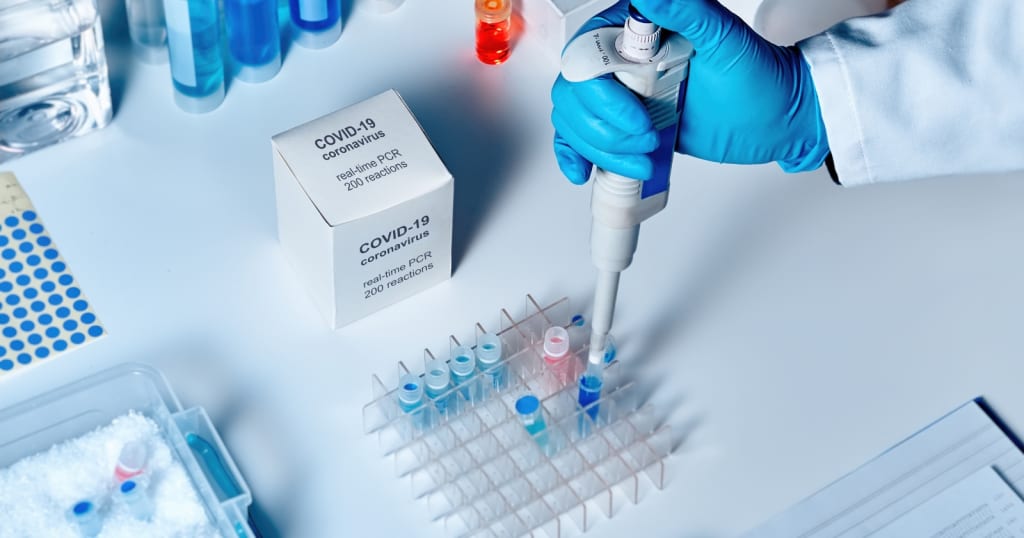
PCR technology remains a mainstay in Japan due to its accuracy and versatility, supporting applications in infectious disease detection, oncology, and genetic disorders. The COVID-19 pandemic significantly accelerated PCR adoption, and ongoing technological advancements in digital and real-time PCR continue to solidify its role in standard diagnostics.
Pharmacogenomics
Pharmacogenomics is becoming integral to personalized medicine, optimizing drug selection and dosages based on individual genetic profiles. This approach reduces side effects and improves therapeutic outcomes. Rising awareness among physicians and patients, particularly in oncology and chronic disease management, is fueling demand for pharmacogenomic testing.
Oncology Diagnostics
Oncology represents the largest and fastest-growing segment of molecular diagnostics in Japan. Precision diagnostics enable early detection, therapy selection, and treatment monitoring, supported by government cancer screening policies and the adoption of companion diagnostics for targeted therapies.
Instruments and Reagents
Instruments form the foundation of molecular diagnostics infrastructure, including high-throughput, automated platforms utilized by hospitals and research labs. Advancements in NGS, digital PCR, and microarrays are driving instrument adoption.
Reagents are a key recurring revenue source, with demand fueled by increasing test volumes, higher assay sensitivity, and growth in personalized medicine applications. Companies focus on high-quality, specialized reagents compatible with modern platforms to ensure accurate diagnostics.
End Users
Hospitals are the primary end-users of molecular diagnostics in Japan, particularly for oncology, infectious diseases, and genetic conditions. Government initiatives support hospital-based implementation of advanced diagnostics to improve patient outcomes. Smaller hospitals often rely on collaboration with reference laboratories for testing needs.
Regional Insights
Tokyo
Tokyo dominates Japan’s molecular diagnostics market due to high-density healthcare infrastructure, research institutions, and biotech firms. It is a hub for clinical trials, innovation, and adoption of cutting-edge technology, supported by government initiatives and partnerships with global diagnostics companies.
Saitama
Saitama benefits from proximity to Tokyo and is gradually expanding its molecular diagnostics capabilities. Improved healthcare infrastructure and rising incidences of cancer and chronic diseases drive demand for advanced testing. Regional hospitals and diagnostic centers increasingly adopt sophisticated molecular solutions.
Chiba
Chiba’s molecular diagnostics market is growing due to healthcare facility expansion and research initiatives. Government health programs and access to Tokyo’s advanced medical ecosystem facilitate increased adoption, particularly for oncology and infectious disease testing. Investment in laboratory infrastructure is further supporting market expansion.
👉 For deeper analysis, detailed segment data, and company insights: 🔗 Request Customization Report
By Technology:
Chips and Microarrays
In Situ Hybridization
Sequencing
Mass Spectrometry (MS)
PCR
Other Technologies
By Application:
Pharmacogenomics
Infectious Disease
Genetic Disease Screening
Oncology
Blood Screening
Microbiology
Human Leukocyte Antigen Typing
By Product:
Instruments
Reagents
Other Products
By End User:
Hospitals
Laboratories
Other End Users
Top Cities:
Tokyo
Kansai
Aichi
Kanagawa
Saitama
Hyogo
Chiba
Hokkaido
Fukuoka
Shizuoka
Key Players
Major companies active in Japan’s molecular diagnostics market include:
F Hoffmann-La Roche Ltd
Illumina Ltd
Hologic Corporation
Agilent Technologies Inc.
Qiagen NV
Myriad Genetics
Abbott Laboratories
Biomerieux SA
Bio-Rad Laboratories Inc.
Sysmex Corporation
These organizations are driving innovation through strategic partnerships, product launches, and market expansion, reinforcing Japan’s position as a leader in molecular diagnostics.
Conclusion
The Japan Molecular Diagnostics Market is on track for sustained growth through 2033. The combination of aging demographics, rising cancer incidence, technological innovation, government support, and increasing precision medicine adoption is creating a fertile environment for advanced diagnostics. While challenges such as high costs and workforce shortages remain, ongoing investments in technology, infrastructure, and training ensure that molecular diagnostics will continue to play a pivotal role in Japan’s healthcare landscape.
Note: If you need details, data, or insights not covered in this report, we are glad to assist. Through our customization service, we will collect and deliver the information you require, tailored to your specific needs. Share your requirements with us, and we will update the report to align with your expectations.
About the Creator
Diya Dey
Market Analyst
The goals I did not achieve
Every writing goal I made for the year is a wash. It has been this way for a while, but I think it's important to be open about my failures and the reality of how life can get in the way. This is especially true considering the several times I have posted on Vocal about my writing goals, how I was changing my approach, and where I was hoping to be for the upcoming year. I will probably do that again in a couple months, but for now, it is time to acknowledge where I am today.
By Kay Husnick16 days ago in Journal
The Power of Vibe Code: How Your Energy Affects Your Life
The concept of "vibe" has changed significantly. It is no longer just a social media catchphrase. It is now a critical framework for performance. Personal and professional results depend on it. In 2026, digital saturation is at peak levels. The "Vibe Code" has become a tangible asset. This code is your specific energetic frequency. It comes from your thoughts and health. It also comes from your environment. This guide shows how your internal state works. It dictates your external results every day. We will move past surface-level positivity. We will look at the mechanics of alignment.
By Devin Rosario7 days ago in Journal
Center Stage with Gina C.
*** I'm keen to republish the interviews I did for my series with Vocal creators. It's been a few years and I thought it might be nice to revisit these wonderful conversations. I'll be releasing them one at a time for a few weeks/months.
By Heather Hubler4 days ago in Interview




Comments
There are no comments for this story
Be the first to respond and start the conversation.