
Jade Guerra Explains the Value of a Whole-Person Approach to Healthcare
How Jade Guerra’s integrated perspective supports lasting health by caring for the body, lifestyle, and individual needs together

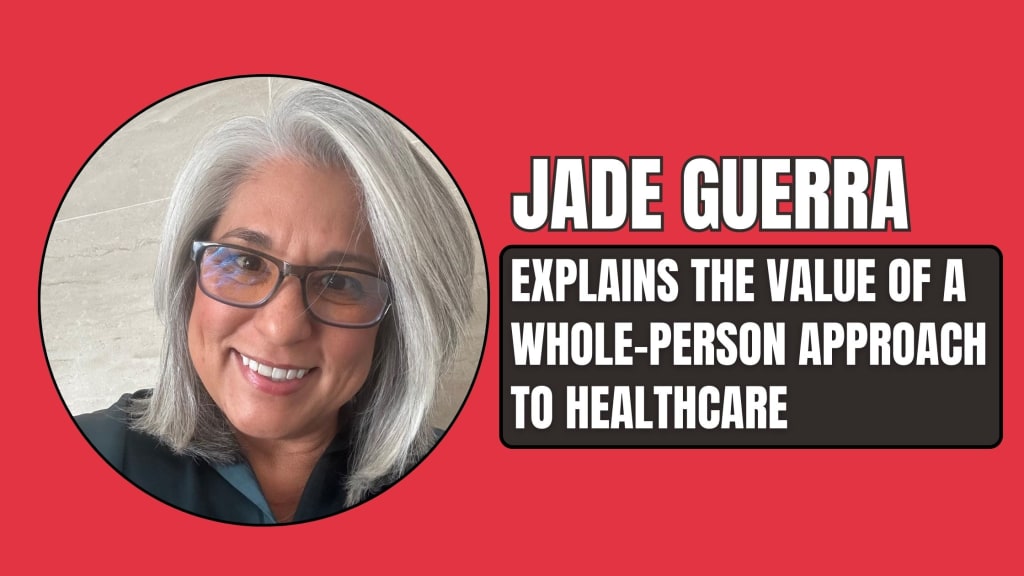
Healthcare is changing. More people today are looking beyond quick fixes and isolated treatments, hoping instead for care that truly understands them as individuals. Jade Guerra, a skilled healthcare professional with experience in both nursing and chiropractic care, believes that real healing happens when the whole person is considered—not just symptoms or diagnoses.
A whole-person approach to healthcare focuses on understanding how physical health, daily habits, emotional well-being, and lifestyle choices are connected. Jade Guerra explains that when care addresses all of these areas together, patients are more likely to experience lasting improvements in their health and quality of life.
What Is a Whole-Person Approach to Healthcare?
A whole-person approach looks at the complete picture of a patient’s health. Instead of treating one problem in isolation, this method considers how different parts of the body and mind influence one another.
For example, back pain may not only be related to spinal alignment. It could also be affected by posture at work, stress levels, sleep quality, and even emotional tension. By exploring all of these factors, healthcare providers can create more thoughtful and effective care plans.
Jade Guerra emphasizes that this approach does not replace traditional medical care. Instead, it enhances it by adding context and understanding to each patient’s situation.
Why Treating Symptoms Alone Is Often Not Enough
Many people are used to healthcare that focuses only on symptoms. While symptom relief is important, it does not always address the underlying causes of discomfort or recurring problems.
Jade Guerra explains that when the root causes are ignored, issues often return. For example, temporary relief from neck pain may feel helpful, but without addressing posture, muscle balance, or daily habits, the pain may come back weeks later.
A whole-person approach aims to understand why a problem exists in the first place. This allows care to be more targeted and meaningful, helping patients achieve better long-term results.
The Role of Listening in Whole-Person Care
One of the most important parts of whole-person healthcare is listening. Jade Guerra believes that patients often provide valuable information when they are given the time and space to share their experiences.
Listening helps healthcare providers understand:
- How symptoms affect daily life
- What activities worsen or improve discomfort
- A patient’s goals, concerns, and expectations
When patients feel heard, trust grows. This trust allows for open communication, which is essential for creating care plans that truly fit each individual.
How Spine Health Connects to Overall Well-Being
Spine health plays a central role in whole-person care. The spine supports posture, movement, and nerve function, all of which affect how the body performs day to day.
Jade Guerra often explains that spinal issues can influence more than just physical comfort. Poor spinal health may contribute to headaches, reduced mobility, fatigue, and difficulty concentrating. Addressing spinal alignment and movement can help improve overall function and comfort.
By focusing on spine care alongside lifestyle and wellness factors, patients may notice benefits that extend beyond pain relief.
Preventing Injuries Through a Holistic Lens
Injury prevention is another key element of whole-person healthcare. Instead of waiting for problems to develop, this approach looks at ways to reduce risk before injuries occur.
Jade Guerra highlights the importance of understanding how repetitive movements, poor posture, and muscle imbalances can slowly lead to discomfort or injury. Education plays a major role here. When patients learn how to move, lift, and sit properly, they are better equipped to protect their bodies.
Preventive care also encourages regular check-ins and small adjustments that can help maintain balance and stability over time.
The Connection Between Lifestyle and Healing
Lifestyle choices have a powerful impact on health. Sleep, nutrition, physical activity, and stress management all influence how the body heals and responds to care.
Jade Guerra explains that even the most effective treatments can be limited if lifestyle factors are overlooked. For example, poor sleep can slow recovery, while ongoing stress can increase muscle tension and pain.
A whole-person approach gently guides patients toward healthier habits that support healing. These changes are often simple but meaningful, helping patients take an active role in their own well-being.
Personalized Care Plans Make a Difference
No two patients are exactly alike. Whole-person healthcare recognizes this by prioritizing personalized care plans rather than one-size-fits-all solutions.
Jade Guerra works closely with each patient to understand their unique needs, routines, and goals. Care plans may include a combination of hands-on treatment, movement guidance, and practical advice tailored to daily life.
This personalized approach helps patients feel supported and involved, making it easier to stay consistent with care and achieve better outcomes.
Emotional Well-Being as Part of Physical Health
Emotional health and physical health are deeply connected. Stress, anxiety, and emotional strain can affect muscle tension, posture, and pain perception.
Jade Guerra explains that whole-person care acknowledges these connections without judgment. While healthcare providers may not treat emotional issues directly, they can recognize how emotional well-being influences physical symptoms.
By creating a supportive environment and encouraging balance, whole-person care helps patients feel more at ease, which can positively affect recovery and overall health.
Empowering Patients Through Education
Education is a cornerstone of whole-person healthcare. When patients understand their bodies and the reasons behind their care, they feel more confident and empowered.
Jade Guerra believes that informed patients are better able to make healthy choices and recognize early signs of imbalance. Simple explanations about posture, movement, and self-care can make a lasting difference.
This educational approach turns healthcare into a partnership rather than a passive experience.
The Long-Term Value of a Whole-Person Approach
The true value of whole-person healthcare lies in its long-term benefits. Instead of focusing only on short-term relief, this approach aims to improve overall quality of life.
Patients often report better mobility, improved comfort, and a greater sense of control over their health. By addressing the body as a connected system, whole-person care supports lasting wellness rather than temporary solutions.
Jade Guerra explains that when healthcare respects the full experience of each patient, it becomes more meaningful and effective.
Final Thoughts
A whole-person approach to healthcare offers a thoughtful and balanced way to support health and healing. By considering physical structure, daily habits, emotional well-being, and individual goals, this method provides care that feels personal and purposeful.
Jade Guerra’s approach reflects a growing understanding that true health is not just about treating problems as they appear. It is about supporting the entire person—helping them move better, feel stronger, and live more comfortably over time.
About the Creator
The goals I did not achieve
Every writing goal I made for the year is a wash. It has been this way for a while, but I think it's important to be open about my failures and the reality of how life can get in the way. This is especially true considering the several times I have posted on Vocal about my writing goals, how I was changing my approach, and where I was hoping to be for the upcoming year. I will probably do that again in a couple months, but for now, it is time to acknowledge where I am today.
By Kay Husnick24 days ago in Journal


Comments
There are no comments for this story
Be the first to respond and start the conversation.