
IV Solutions Manufacturing Plant Setup Cost 2025: Investment and Business Plan
Setting up an IV solutions manufacturing plant in 2025 requires designing cGMP-compliant sterile facilities, installing WFI systems, and integrating automated filling and packaging lines.

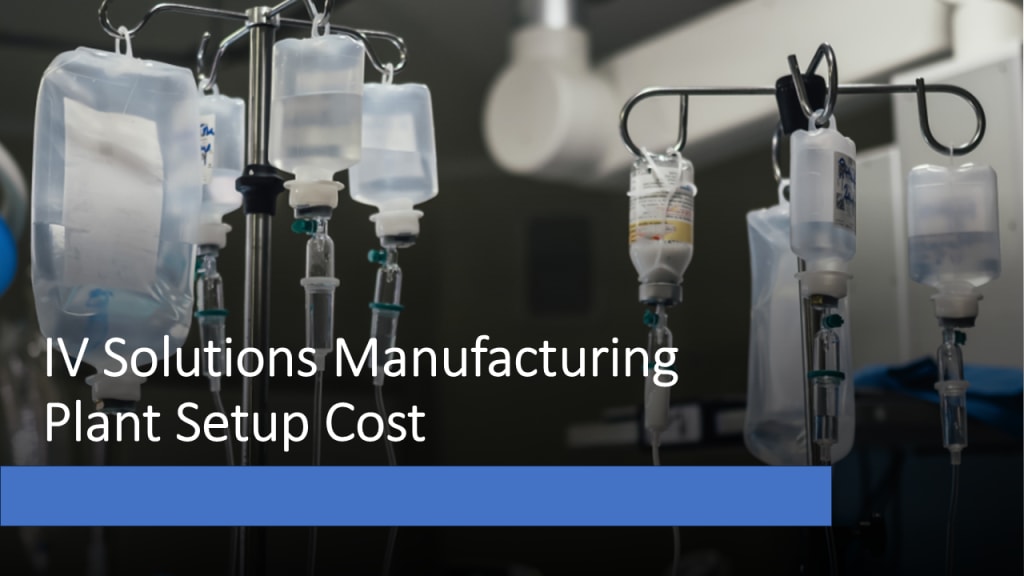
If you're planning to venture into the healthcare manufacturing space, establishing an IV (intravenous) solutions plant can be a promising and impactful investment. IV fluids are a staple in hospitals and clinics, essential for hydration, electrolyte balance, and drug administration. But before diving in, one of the most pressing questions is: how much does it cost to set up such a facility?
We’ll walk you through the major factors influencing the IV solutions manufacturing plant setup cost, without throwing arbitrary numbers at you. Instead, we’ll help you understand what goes into the cost structure so you can plan more effectively.
Why IV Solutions?
IV solutions are essential in both emergency and routine medical treatment. They're used in nearly every hospital admission, surgical procedure, and trauma case. With demand consistently rising—especially in regions with expanding healthcare infrastructure—this sector offers long-term business potential.
If you're looking to supply regional hospitals or sell abroad, the opportunity exists. But, as with any pharmaceutical item, producing IV fluids demands attention to detail, regulation, and extensive advance planning.
Key Cost Drivers in Setting Up a Plant
1. Facility Design and Construction
One of the first and most significant expenses is the facility itself. An IV fluid plant must meet Good Manufacturing Practices (GMP) standards, and that means investing in cleanrooms, contamination controls, proper HVAC systems, and quality building materials.
Costs will vary based on:
• The size and capacity of the plant
• Whether you build from scratch or retrofit an existing facility
• Local regulations and compliance requirements
2. Machinery and Equipment
Manufacturing IV solutions requires specialized equipment for:
• Water purification (typically using reverse osmosis and distillation)
• Solution preparation and mixing
• Sterile filling and sealing (automated filling lines, especially for plastic bottles or glass vials)
• Terminal sterilization
• Quality control and lab testing
High-quality, validated equipment is essential—not just for production efficiency, but for passing regulatory inspections.
3. Raw Materials and Utilities
While water is the primary ingredient in IV solutions, it must be treated and maintained under strict purity standards. Other inputs, like dextrose, saline, and electrolyte compounds, need secure sourcing.
You’ll also need to consider:
• Energy requirements (sterilization and HVAC systems consume a lot)
• Water usage and treatment
• Backup power systems
These utility costs are often overlooked but can be substantial during both setup and operation.
Regulatory and Licensing Costs
To produce pharmaceutical-grade IV fluids, your plant must adhere to stringent national and international health regulations. This includes certifications from health ministries, FDA equivalents, and possibly WHO GMP prequalification if you're targeting international markets.
Key regulatory expenses may include:
• Application fees for licenses
• Validation and inspection costs
• Documentation and quality assurance system development
These processes take time and money, and must be built into your project timeline and budget.
Staffing and Training
A skilled workforce is essential for running an IV solution manufacturing plant. You’ll need:
• Pharmacists and chemists
• Quality control analysts
• Engineers and maintenance staff
• Trained machine operators
• Regulatory and compliance officers
Initial hiring and training costs can be significant, particularly in markets where skilled labor in pharma manufacturing is scarce.
Packaging and Distribution Infrastructure
Don’t forget the backend: IV fluids require sterile, medical-grade packaging—whether in bottles, bags, or ampoules. Packaging systems must also be compliant and capable of maintaining product integrity during transport.
You may also need:
• Cold storage facilities (in some cases)
• Trucks or logistics partnerships
• Tracking and serialization systems, especially if required by local laws
Other Hidden Costs to Watch
• Consultancy and project management: Especially important if you’re new to pharmaceutical manufacturing
• Insurance: For liability, equipment, and workforce
• R&D and product formulation: Depending on the variety of IV fluids you plan to produce
• Marketing and branding: Especially if you’re launching a new brand into a competitive market
Conclusion: Planning for Success
Setting up an IV solutions manufacturing facility is not a small feat. It requires a deep understanding of both the technical and business aspects of pharmaceutical manufacturing. While the total iv solutions manufacturing plant setup cost will depend on various factors—from location to production scale—the best approach is to start with a detailed feasibility study and a clear roadmap.
Bringing in experienced consultants and working closely with equipment suppliers and regulatory experts can make the process smoother and more predictable. And with healthcare demand continuing to grow globally, your investment has the potential to deliver long-term value—not just financially, but in terms of improving access to life-saving treatments.
About the Creator
Andrew Sullivan
Hello, I’m Andrew Sullivan. I have over 9+ years of experience as a market research specialist.
Keep reading
More stories from Andrew Sullivan and writers in Journal and other communities.
Photonic Integrated Circuit Market to Hit USD 58.95 Billion by 2033, Driven by High-Speed Data Center Demand
Market Overview: According to IMARC Group's latest research publication, "Photonic Integrated Circuit Market Size, Share, Trends and Forecast by Component, Raw Material, Integration, Application, and Region, 2025-2033", The global photonic integrated circuit market size was valued at USD 13.63 Billion in 2024. Looking forward, IMARC Group estimates the market to reach USD 58.95 Billion by 2033, exhibiting a CAGR of 16.79% from 2025-2033.
By Andrew Sullivan5 months ago in Journal
How to Succeed at the Benson Directory®
Congratulations and welcome to the Benson Directory® employee #22391! As our newest call handler, you will have the privilege of speaking with dozens of unique and interesting people on a daily basis as well as the opportunity to earn bonuses for high performance. Contained within this handbook you will find a set of ease to follow instructions designed to help you settle in to your new role and begin paving the way to success.
By S. A. Crawford2 days ago in Fiction




Comments
There are no comments for this story
Be the first to respond and start the conversation.