
Israeli Hostages Freed: A Moment of Relief, But Many Wounds Remain
“A Moment of Relief Amid Ongoing Tension: How the Release of Israeli Hostages Brings Both Hope and Uncertainty to the Region

Introduction
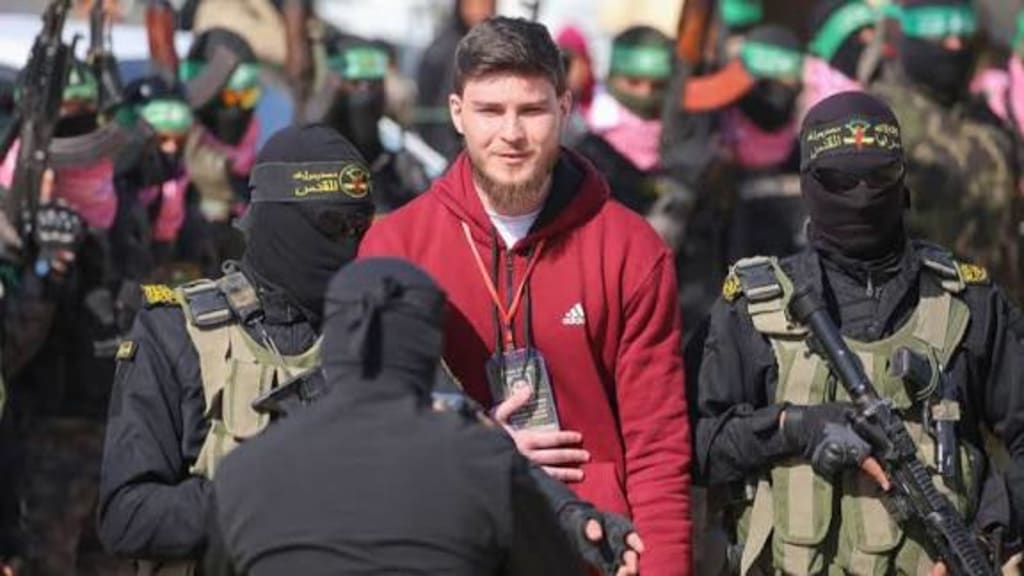
On October 13, 2025, a major breakthrough came in the Israel-Hamas conflict: 20 surviving Israeli hostages were released after being held in Gaza for more than two years. This release came under a US-brokered ceasefire deal. For many, it’s a moment of relief, hope, and national unity. But for others, the emotional cost, the sense of loss, and the path toward lasting peace are still painful and uncertain.
---
What Happened: Key Details
The hostages were taken by Hamas during the attack on Israel on October 7, 2023. Over 240 people were abducted in that assault—some civilians, some soldiers.
Under the deal, these 20 surviving hostages were released. Other terms included the release of nearly 1,900 Palestinian prisoners held by Israel.
The agreement also covered the return of 28 deceased hostages. Their bodies are being returned as part of the same process.
---
Reactions: From Grief to Joy
Few moments of conflict carry as much mixture of emotions as this one.
Families in Israel experienced tears, cheers, relief—and sorrow. Some rejoiced the return of loved ones; others grieved those lost. Hostages Square in Tel Aviv, a place of vigil since 2023, overflowed with people celebrating.
International actors praised the deal. Many nations, including Western allies, welcomed it as a step toward peace and stability. The role of the United States, particularly President Donald Trump, was emphasized in many statements.
Palestinian communities also saw the release of many prisoners. The deal was presented as a ceasefire, meaning fewer active combat operations in certain regions—though much remains to be done.
---
Why This Matters
This event isn’t just about freeing individuals—it has broader political, social, and humanitarian importance.
1. Healing and Closure
For families whose loved ones were missing, this release brings closure—but also stirs memories of trauma. Many hostages return with physical and psychological scars. The road to healing will be long.
2. Symbolic Victory for Diplomacy
Two years of war, international pressure, and negotiations led to this moment. It shows that diplomacy can work—even in deeply divided, painful conflicts.
3. Pressure to Build Peace
With hostages and prisoners exchanged, the ceasefire deal might open space for longer peace talks. But questions remain: What comes next for Gaza? How will reconstruction happen? What about governance, disarmament, and the humanitarian crisis?
4. Challenges Remain
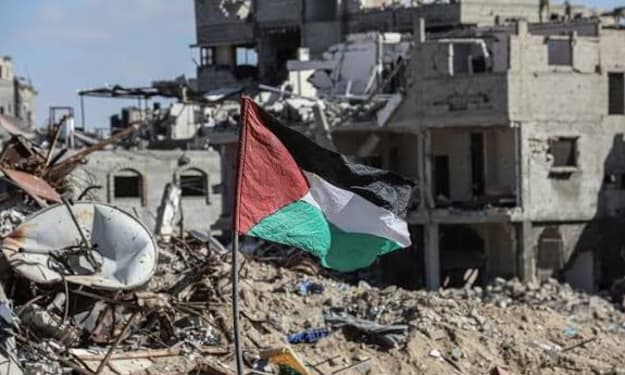
Releasing hostages is only part of the problem. Many people are still missing or deceased. Infrastructure in Gaza has been heavily damaged. Displacement, food and water shortages, and trauma affect millions.
---
What the Deal Includes—and What It Leaves Unresolved
What’s in the Deal What’s Still Unresolved
20 surviving Israeli hostages released. Some deceased hostages' bodies remain unreturned.
Return of 28 deceased hostages’ remains. Full certainty about fate of all hostages. Some names remain unverified.
Almost 1,900 Palestinian prisoners released. What happens after ceasefire—governance, security, disarmament, rebuilding.
Ceasefire conditions, with support for humanitarian access. Long-term peace framework—will agreements hold if conditions change?
---
Voices at the Center
Hostages and their families now face reunions—some painful, some joyous. Children, spouses, parents are trying to reconnect, find normalcy, or adapt to changed lives.
Political leaders are under pressure. Some are being praised for making the deal happen. Others are being asked why more wasn’t done earlier. Accountability, for many Israelis, is now a crucial question.
Humanitarian organizations warn: releasing hostages and prisoners is urgent, but so is continuing aid, medical care, mental health support. The devastation in Gaza is severe.
---
The Road Ahead: What Comes Next
1. Recovery and Support
Many freed hostages will need physical, psychological, and medical support. Governments and NGOs will need to coordinate rehab, counseling, care.
2. Monitoring the Ceasefire
A ceasefire is only meaningful if respected. International monitoring, neutral parties, UN or other bodies may need to ensure that violence doesn’t restart.
3. Rebuilding Gaza
Infrastructure, hospitals, clean water—all of this needs rebuilding. Also, displaced people must find safe places to return. Investment, reconstruction, and trust are necessary.
4. Trust Building
Both sides have deep wounds and mistrust. For peace to hold, steps like prisoner exchanges, safe passages, and guarantees are needed. Agreements on disarmament and border control will likely be contentious.
---
Conclusion
The release of the Israeli hostages is a milestone—one that brings joy, relief, and a glimpse of possibility after years of pain. It shows once more that negotiating with persistence can yield results. But it also reminds us how fragile peace is—and how many lives, stories, and challenges remain in its wake.
For families reunited, for countries watching, for those who suffered, this is not the end—just a turning point. The world will be watching closely: Can peace built on compromise hold while so much needs rebuilding? Will the living remember those lost? Can promises transform into sustained actions?
About the Creator
Fiaz Ahmed
I am Fiaz Ahmed. I am a passionate writer. I love covering trending topics and breaking news. With a sharp eye for what’s happening around the world, and crafts timely and engaging stories that keep readers informed and updated.
Keep reading
More stories from Fiaz Ahmed and writers in Journal and other communities.
Russia–Ukraine: Conflict, Resistance, and the Struggle for Tomorrow
Introduction The phrase “Russia Ukraine” remains high on the list of trending searches. The ongoing war between Russia and Ukraine dominates headlines, draws global reactions, and affects millions of lives. But beyond the battles and politics, it is a story about national identity, resilience, and the challenges of restoring peace in a fractured world.
By Fiaz Ahmed 3 months ago in Journal
The goals I did not achieve
Every writing goal I made for the year is a wash. It has been this way for a while, but I think it's important to be open about my failures and the reality of how life can get in the way. This is especially true considering the several times I have posted on Vocal about my writing goals, how I was changing my approach, and where I was hoping to be for the upcoming year. I will probably do that again in a couple months, but for now, it is time to acknowledge where I am today.
By Kay Husnick24 days ago in Journal
How to Put Out Electrical Fire Without Causing More Damage
By the time the smoke has cleared and the room seems still, the true extent of the destruction caused by an electrical fire is usually on display-melting wires, burned outlets, and blackened walls and, in rare instances, preventable injuries. The spread of most electrical fires is not because they are, powerful, but rather because people act in a wrong manner. Knowledge of the safety of extinguishing electrical fire is not only related to the prevention of fire, but also to the prevention of a small fire turning into a very expensive tragedy.
By Deborah Larson7 days ago in Journal


Comments
There are no comments for this story
Be the first to respond and start the conversation.