
Is It Safe to Whiten Your Teeth at Home? The Complete Teeth Whitening Kit Safety Guide
Everything You Need to Know About Safe At-Home Teeth Whitening Kits

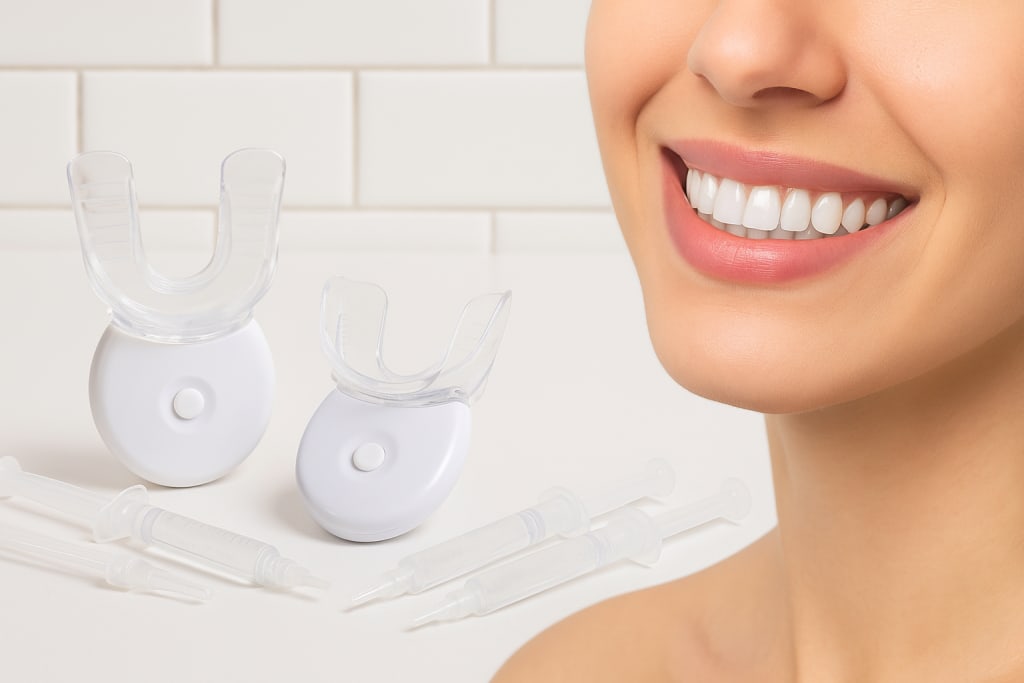
Yes, it is absolutely safe to whiten your teeth at home when using a quality teeth whitening kit with proper formulations and following manufacturer instructions. The American Dental Association (ADA) confirms that hydrogen peroxide and carbamide peroxide based whitening products have been carefully formulated and proven safe through decades of use by millions of people. Modern teeth whitening solutions from reputable providers like Remi undergo rigorous testing to ensure safety while delivering effective results. The key to safe at-home whitening lies in using appropriate concentrations (typically 3-10% hydrogen peroxide or 10-22% carbamide peroxide), following recommended treatment times, and being aware of potential temporary side effects like sensitivity.
Understanding the Safety of At-Home Teeth Whitening Kit Products
The safety of at-home teeth whitening has been extensively researched and documented, providing clear evidence that when used correctly, these treatments pose minimal risk while offering significant cosmetic benefits.
Scientific Evidence Supporting Safety
Multiple peer-reviewed studies and clinical trials have established that teeth whitening kit products are safe for home use when manufacturer guidelines are followed. A comprehensive 2022 Cochrane review analyzing decades of research concluded that both hydrogen peroxide and carbamide peroxide whitening systems are safe and effective, with temporary tooth sensitivity and mild gingival irritation being the only common side effects, both of which resolve quickly after treatment completion. The study found no evidence of permanent enamel damage, increased cavity risk, or tooth fractures when products are used as directed.
The safety profile of at-home teeth whitening kit options has been further validated by the fact that these products have been available for over 30 years without any significant increase in dental health problems. Dentists themselves regularly use and recommend these products, with many dental professionals choosing at-home whitening for their own teeth. The ADA Seal of Acceptance program has evaluated numerous whitening products and confirmed their safety when used according to instructions. This extensive body of evidence provides consumers with confidence that modern whitening technology has been thoroughly vetted for safety.
How Peroxide Concentrations Ensure Safety
The safety of your teeth whitening kit is largely determined by the concentration of active ingredients and how they're formulated for consumer use. Over-the-counter products contain significantly lower peroxide concentrations than professional treatments, specifically designed to be safe for unsupervised home application. Hydrogen peroxide in at-home products typically ranges from 3-10%, while carbamide peroxide concentrations of 10-22% break down to approximately 3-7% hydrogen peroxide. These concentrations have been carefully calibrated to provide effective whitening while minimizing the risk of adverse effects.
Professional-strength treatments used in dental offices can contain up to 40% hydrogen peroxide, but these require professional supervision and protective barriers for soft tissues. The lower concentrations in custom teeth whitening kits for home use provide a wider safety margin, allowing consumers to achieve gradual whitening without the risks associated with higher-strength formulas. Additionally, the slower release of peroxide from carbamide peroxide compared to hydrogen peroxide provides an extra safety buffer, as it allows tissues time to adapt and reduces the likelihood of severe sensitivity or irritation. This careful balance between efficacy and safety has been refined through decades of research and consumer use.
Common Side Effects and How to Manage Them Safely
Understanding potential side effects of teeth whitening kit use helps ensure a safe and comfortable whitening experience while knowing when symptoms are normal versus when to seek professional advice.
Tooth Sensitivity: The Most Common Experience
Tooth sensitivity affects approximately 60% of people using a teeth whitening kit, making it the most frequently reported side effect of at-home whitening. This sensitivity occurs because peroxide molecules penetrate the enamel to reach the dentin layer, temporarily opening microscopic tubules that connect to nerve endings. The sensation typically manifests as sharp, brief discomfort when consuming hot or cold foods and beverages, or when breathing cold air. Importantly, research shows this sensitivity is temporary and completely reversible, usually resolving within 24-48 hours after completing treatment.
Managing sensitivity while using your teeth whitening kit involves several proven strategies that maintain safety while ensuring comfort. Using a desensitizing toothpaste containing potassium nitrate or stannous fluoride for two weeks before and during whitening helps block pain signals from reaching nerve endings. Starting with shorter application times and gradually increasing as tolerated allows teeth to adapt to the whitening process. Some advanced whitening systems include remineralization gels with calcium and phosphate to strengthen enamel during treatment. If sensitivity becomes uncomfortable, taking a break between treatments – such as whitening every other day instead of daily – provides relief without compromising long-term results. For those with naturally sensitive teeth, choosing products with lower peroxide concentrations or opting for carbamide peroxide over hydrogen peroxide often provides a more comfortable experience.
Gum Irritation and Protection Strategies
Gum irritation is the second most common side effect when using a teeth whitening kit, typically occurring when whitening gel comes into prolonged contact with soft tissues. This irritation appears as temporary redness, white spots, or general tenderness along the gum line. While uncomfortable, gum irritation from properly formulated whitening products is superficial and resolves quickly once exposure stops, usually within a day or two. The risk of gum irritation is significantly lower with well-designed delivery systems that keep gel on teeth rather than spreading to surrounding tissues.
Protecting your gums while achieving safe whitening results requires proper application technique and choosing the right teeth whitening kit format. Custom-fitted trays provide the best protection by creating a precise barrier at the gum line, preventing gel migration. When using whitening strips, ensure they're positioned accurately on tooth surfaces without overlapping onto gums. For gel applications, use only the recommended amount – typically a small drop per tooth – and wipe away any excess that squeezes out. Applying a thin layer of petroleum jelly to gums before treatment creates an additional protective barrier. If irritation occurs, vitamin E oil or aloe vera gel can soothe affected areas and speed healing. Choosing products with lower peroxide concentrations or those specifically formulated for sensitive gums reduces irritation risk while still achieving noticeable whitening results.
Safe Usage Guidelines for Teeth Whitening Kit Products
Following proper usage guidelines ensures your teeth whitening kit delivers optimal results while maintaining the highest safety standards for your oral health.
Proper Application Techniques
Safe application of your teeth whitening kit begins with reading and understanding all manufacturer instructions before starting treatment. Each product type requires specific techniques for safe and effective use. For tray-based systems, avoid overfilling with gel – a rice grain-sized amount per tooth impression is sufficient. This prevents excess gel from overflowing onto gums and ensures even distribution across tooth surfaces. When inserting trays, use gentle pressure and wipe away any gel that escapes. For strips, dry teeth with a tissue before application to ensure proper adhesion, and avoid stretching strips as this can cause them to slide and expose gums to whitening agents.
Timing is crucial for safe teeth whitening kit use, as both under-treatment and over-treatment can cause issues. Never exceed recommended application times in an attempt to accelerate results, as this increases sensitivity and irritation risk without improving whitening effectiveness. Most hydrogen peroxide products require 30-60 minute applications, while carbamide peroxide formulations can be worn for 2-4 hours or overnight due to their slower release. Set a timer to ensure accurate treatment duration, and never fall asleep with hydrogen peroxide products in place unless specifically designed for overnight use. Remove whitening products immediately if you experience severe discomfort, and rinse thoroughly with lukewarm water. Following each treatment, avoid extremely hot or cold foods for at least an hour to minimize sensitivity.
Frequency and Duration Recommendations
The safety of your teeth whitening kit treatment depends significantly on adhering to recommended frequency and duration guidelines. Most at-home whitening protocols involve daily applications for 7-14 days, followed by maintenance treatments as needed. This schedule allows for gradual, controlled whitening that minimizes stress on tooth enamel and reduces sensitivity risk. Attempting to compress the treatment timeline by doubling applications or extending wear time doesn't accelerate results and significantly increases the likelihood of adverse effects.
Understanding when to take breaks from your teeth whitening kit is essential for maintaining oral health. If you experience persistent sensitivity lasting more than 48 hours after treatment, pause whitening for several days before resuming at a reduced frequency or concentration. Most dentists recommend limiting intensive whitening treatments to no more than twice per year, with touch-up treatments monthly or as needed to maintain results. Continuous, long-term use of whitening products without breaks can lead to enamel erosion and chronic sensitivity. Pay attention to your teeth's response and adjust your routine accordingly – some people achieve desired results in just 3-4 treatments, while others may need the full 14-day protocol. The key is finding the minimum effective treatment schedule that provides your desired results while maintaining safety.
Who Should Avoid At-Home Teeth Whitening Kit Use
While teeth whitening kit products are safe for most adults, certain conditions and circumstances require avoiding or modifying whitening treatments to prevent complications.
Medical and Dental Contraindications
Several dental conditions make using a teeth whitening kit potentially unsafe without prior professional treatment. Untreated cavities must be addressed before whitening, as peroxide can penetrate decay and reach the tooth's nerve, causing severe pain and potentially damaging the pulp. Gum disease, including gingivitis and periodontitis, creates inflamed, sensitive tissues that react poorly to whitening agents, potentially worsening the condition. Exposed tooth roots from gum recession lack protective enamel, making them extremely sensitive to peroxide and prone to painful reactions. Worn enamel from grinding, acid erosion, or aggressive brushing reduces the tooth's natural protection, increasing sensitivity risk and potentially allowing peroxide to damage underlying dentin.
Recent dental work also affects teeth whitening kit safety considerations. Teeth with recent restorations, root canals, or dental trauma may have compromised structure that makes them more sensitive to whitening agents. Studies show that teeth with restorations experience significantly greater sensitivity during whitening compared to intact teeth. Additionally, those with numerous crowns, veneers, or fillings should understand that these materials won't whiten, potentially creating noticeable color mismatches. Individuals with severely discolored teeth from tetracycline use, fluorosis, or internal staining may not achieve satisfactory results with at-home products and could experience frustration or overuse products in unsafe attempts to improve results. Consulting a dentist before using any whitening product ensures underlying issues are addressed and determines whether at-home whitening is appropriate for your specific situation.
Special Populations Requiring Extra Caution
Certain groups require special consideration regarding teeth whitening kit safety due to unique physiological factors or limited safety data. Pregnant and breastfeeding women are generally advised to avoid teeth whitening, not because of proven harm, but due to insufficient research on peroxide effects during pregnancy and lactation. The American Pregnancy Association recommends postponing cosmetic dental procedures, including whitening, until after pregnancy and breastfeeding. While no studies have shown definitive risks, the precautionary principle suggests waiting when possible, as hormonal changes during pregnancy can also increase gum sensitivity and make whitening more uncomfortable.
Young people under 18 should use teeth whitening kit products only under professional supervision, as recommended by the American Academy of Pediatric Dentistry. Developing teeth have larger pulps and thinner enamel, making them more susceptible to sensitivity and potential damage from whitening agents. The Academy specifically discourages whitening for children with primary teeth or mixed dentition. Elderly individuals may also need modified approaches, as age-related enamel thinning and gum recession increase sensitivity risk. Those with chronic health conditions affecting oral health, such as diabetes or autoimmune disorders, should consult healthcare providers before whitening, as these conditions can affect healing and increase complication risks. Anyone taking medications that cause photosensitivity or dry mouth should also exercise caution, as these can interact with whitening treatments or exacerbate side effects.
Comparing Safety: Professional vs At-Home Teeth Whitening Kit Options
Understanding the safety differences between professional treatments and at-home teeth whitening kit options helps consumers make informed decisions based on their specific needs and risk tolerance.
Professional Supervision Benefits
In-office whitening treatments offer certain safety advantages through professional oversight, though they also involve higher peroxide concentrations that require careful management. Dentists can perform comprehensive examinations before treatment, identifying and addressing any conditions that could make whitening unsafe or uncomfortable. During professional treatments using concentrations up to 40% hydrogen peroxide, protective barriers shield gums and soft tissues, while the dentist monitors for adverse reactions and can immediately address any issues. This supervision allows for safer use of stronger formulations that would be dangerous in unsupervised home use.
However, professional treatments aren't necessarily safer than a properly used at-home teeth whitening kit – they simply involve different risk-benefit profiles. The higher concentrations used professionally can cause more severe initial sensitivity, though results appear faster. Some studies have found that gradual whitening with lower-concentration at-home products actually results in less overall sensitivity than single-session professional treatments. Additionally, the cost and time requirements of professional treatments may lead some people to delay necessary whitening, potentially attempting unsafe DIY methods instead. The professional-grade options available for home use bridge this gap, offering dentist-formulated products with comprehensive instructions and support while maintaining the convenience and affordability of at-home treatment.
At-Home Safety Advantages
At-home teeth whitening kit products offer unique safety advantages through their lower concentrations and gradual approach. The slower whitening process allows teeth and gums to adapt gradually, often resulting in less sensitivity than rapid professional treatments. Users have complete control over treatment timing and can immediately stop if discomfort occurs, unlike professional treatments where the full session is typically completed regardless of sensitivity. The ability to take breaks between treatments, adjust application times, and choose from various concentration levels provides customization that promotes both safety and comfort.
The convenience of at-home teeth whitening kit use also contributes to safety by encouraging proper oral hygiene maintenance during treatment. Users can easily incorporate whitening into their regular oral care routine, ensuring teeth are clean before application and properly cared for afterward. The lower cost of at-home options means people are more likely to follow recommended protocols rather than trying to maximize results from a single expensive treatment. Modern at-home products also benefit from decades of refinement, with improved formulations that include desensitizing agents, remineralization components, and better delivery systems that minimize gum contact. When choosing quality products from reputable manufacturers and following instructions carefully, at-home whitening provides an excellent safety profile that rivals or exceeds professional treatments for many users.
Best Practices for Maximum Safety with Your Teeth Whitening Kit
Implementing comprehensive safety practices ensures your teeth whitening kit delivers optimal results while protecting your oral health throughout the whitening process.
Pre-Whitening Preparation
Proper preparation before using your teeth whitening kit significantly enhances safety and reduces the likelihood of adverse effects. Schedule a dental cleaning and examination before beginning any whitening regimen, as clean teeth whiten more evenly and underlying issues can be identified and addressed. Professional cleaning removes tartar and surface stains that can interfere with whitening agents, ensuring the product works on actual tooth enamel rather than buildup. Starting with clean, healthy teeth also means you'll need less intensive treatment to achieve desired results, reducing overall exposure to whitening agents.
Two weeks before beginning your teeth whitening kit treatment, switch to a desensitizing toothpaste to prepare teeth for the whitening process. Take photos of your starting tooth shade in natural light to accurately track progress and avoid over-w
About the Creator
Keep reading
More stories from Vocal Blog and writers in Journal and other communities.
Mix and Match Swimwear Tips for This Season
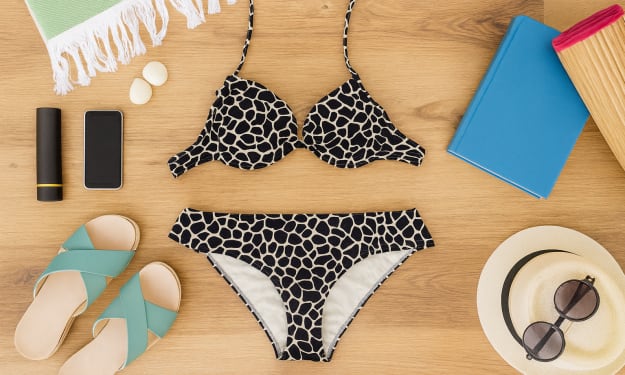
As the weather warms up, beach enthusiasts and poolside loungers alike are preparing to refresh their swimwear collections. The concept of mix and match swimwear offers immense flexibility and creativity when assembling the perfect look for sunny days. The ability to choose your preferred styles and combine different pieces allows for genuine personalisation in swimwear fashion. Those looking to create their unique swimsuit style should consider exploring the range of bikinis online for endless opportunities.
By Vocal Blog4 months ago in Journal
Understanding the Saints: Models of Holiness for Today
Saints occupy a central place in Catholic spirituality. They are men and women who lived lives of extraordinary faith, virtue, and dedication to God. Catholics honor saints not as divine beings but as role models and intercessors who demonstrate how ordinary people can respond fully to God’s grace. Understanding why saints matter and how their example can inspire modern believers helps Catholics grow in holiness and live a faith-centered life.
By Sound and Spirit5 days ago in Journal
Wild Card Weekend Recap: What Happens Now?
I think I figured out why I love Wild Card Weekend so much. It's because it's the first playoff anything of the calendar year. The NFL season starts in the fall, and once upon a time, the champion was crowned either on or slightly before New Year's. The evolution of the NFL schedule has resulted in the playoffs starting just into the New Year, and currently, the final week of the season falls on the first weekend of the New Year, with Wild Card Weekend coming a week after that. So yes, chronologically, the NFL's Wild Card Weekend serves as the first playoff anything of the calendar year.
By Clyde E. Dawkins6 days ago in Unbalanced



Comments
There are no comments for this story
Be the first to respond and start the conversation.