
Iran-Israel Nuclear Deal: Fact or Fiction in a Tense Middle East?
Understanding the Rumors, Political Climate, and Global Impact of the Alleged Nuclear Talks Between Iran and Israel

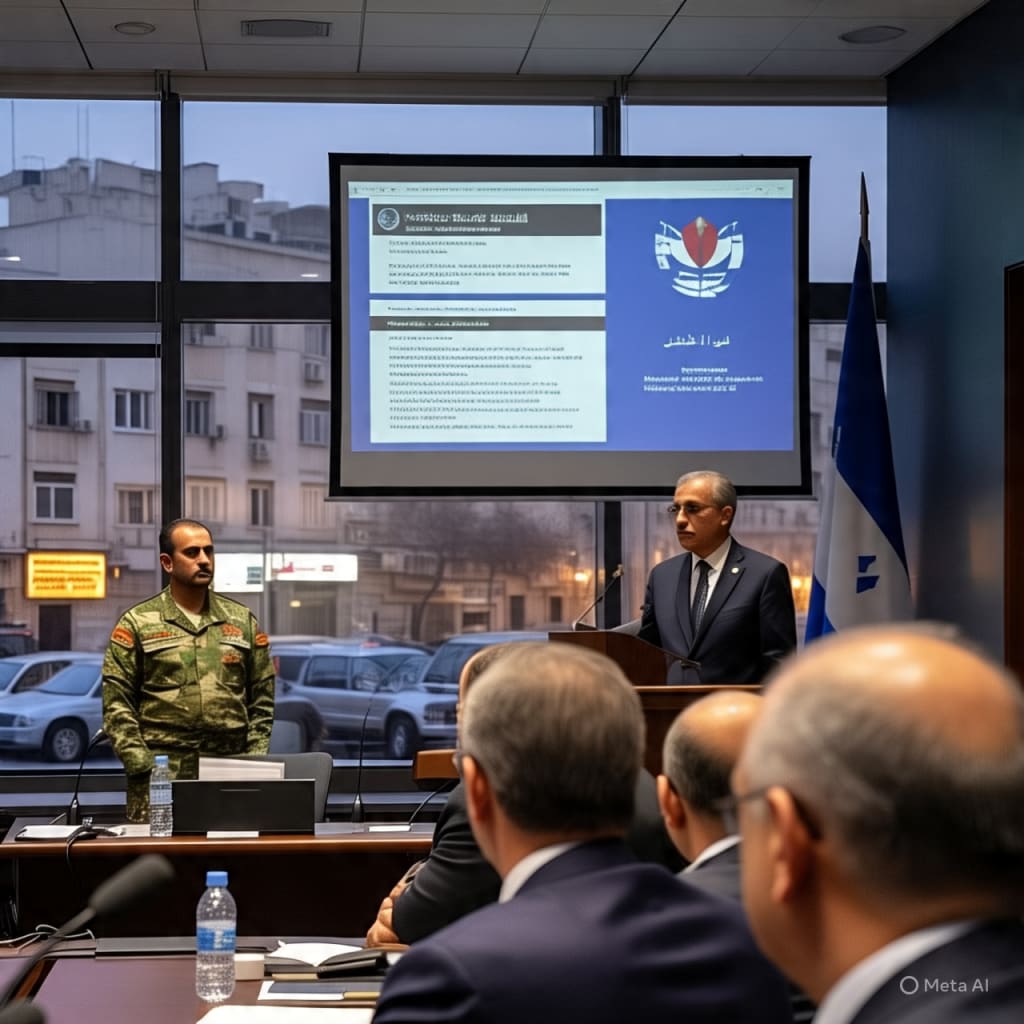
Iran-Israel Nuclear Deal: A New Chapter or Political Misinformation?
In a region defined by decades of distrust, conflict, and tension, recent reports have raised global eyebrows—suggesting that Iran and Israel, two longtime adversaries, are exploring the idea of a nuclear deal. For many, this notion sounds impossible. Israel has long opposed Iran’s nuclear ambitions, and Iran has regularly criticized Israel’s military presence and influence in the Middle East. So, how true are these reports, and what could such a deal mean for the region and the world?
Let’s examine the available facts, separate truth from speculation, and explore the wider impact of any possible diplomatic development between these two powerful nations.
A History of Hostility
Iran and Israel have not had formal diplomatic relations since the 1979 Islamic Revolution in Iran. Iran does not recognize Israel as a state and has regularly supported anti-Israeli groups such as Hezbollah and Hamas. Israel, on the other hand, has frequently warned the world about Iran’s nuclear program, claiming that it is not for peaceful purposes but rather a threat to regional security.
Over the past two decades, Israel has been vocal and active in its opposition to any Iranian nuclear development. In some cases, it has even conducted covert operations, including cyber-attacks and intelligence missions, to disrupt Iran’s nuclear progress.
The Rumors of a Secret Deal
Rumors about a secret nuclear deal between Iran and Israel surfaced in early 2025, primarily through unconfirmed reports in international media. These articles cited anonymous diplomats and intelligence officers who claimed that quiet discussions may have taken place, possibly with the help of neutral countries or international organizations like the United Nations or the International Atomic Energy Agency (IAEA).
The reports suggested that Israel might be open to a limited understanding with Iran—focused not on full peace but on mutual containment and avoidance of direct nuclear confrontation.
So far, no official statement from either side has confirmed these reports. Both Iranian and Israeli governments have denied any formal talks, calling such news "misleading" or “politically motivated rumors.”
Why Would Either Side Consider It?
Despite their deep-rooted hostility, both nations face increasing international pressure. The United States, European Union, Russia, and China all have a strong interest in avoiding a full-scale war in the Middle East, especially one involving nuclear technology.
Iran is still dealing with the impact of global sanctions and economic struggles. A deal—even an informal one—could help lower tensions and open doors for better international relations.
Israel, on the other hand, has been facing security threats from multiple fronts. Hamas in Gaza, Hezbollah in Lebanon, and the increasing strength of Iran-backed groups in Syria all pose ongoing challenges. A secret understanding with Iran could help stabilize at least one major threat.
The Global Impact of Any Real Deal
If any sort of nuclear understanding between Iran and Israel does happen, even secretly, it could shift the political map of the Middle East. Neighboring countries like Saudi Arabia, Turkey, and Egypt would likely react strongly. A nuclear compromise between the two arch-rivals could either calm the region—or set off a new wave of military and diplomatic competition.
The United States and European powers would have to reconsider their foreign policy strategies, especially regarding the Iran Nuclear Deal (JCPOA), from which the U.S. withdrew in 2018 and tried to revive under the Biden administration.
Expert Opinions
International experts are divided on the possibility of such a deal. Some see it as impossible, given the deep mistrust and ideological differences. Others believe that under-the-table diplomacy has always existed in global politics and that secret arrangements sometimes serve as the first step toward broader peace.
Former diplomats argue that even if the current governments do not openly speak to each other, back-channel negotiations through mediators like Oman, Switzerland, or even Qatar might be ongoing.
Conclusion: Hope or Hype?
While there is no solid proof of a nuclear deal between Iran and Israel as of now, the idea is worth exploring. It raises important questions about peace, power, and the future of the Middle East. For now, the world can only watch closely and hope that diplomacy—not war—will guide the next steps between these two historic rivals.
Whether fact or fiction, the rumor of such a deal reflects the desire for stability in a region that has suffered far too long from violence and mistrust.
About the Creator
Saad
I’m Saad. I’m a passionate writer who loves exploring trending news topics, sharing insights, and keeping readers updated on what’s happening around the world.
The goals I did not achieve
Every writing goal I made for the year is a wash. It has been this way for a while, but I think it's important to be open about my failures and the reality of how life can get in the way. This is especially true considering the several times I have posted on Vocal about my writing goals, how I was changing my approach, and where I was hoping to be for the upcoming year. I will probably do that again in a couple months, but for now, it is time to acknowledge where I am today.
By Kay Husnick24 days ago in Journal
The Catholic Church
The Catholic Church is often called the original Church founded by Jesus Christ. This claim is not just tradition; it is rooted in scripture, history, and the understanding of the early Christian community. Jesus did not leave instructions for a new denomination or a collection of independent groups. Instead, He established a single Church with authority, teaching, and sacraments meant to guide His followers through the centuries.
By Sound and Spirit6 days ago in Journal



Comments
There are no comments for this story
Be the first to respond and start the conversation.