
Investment Preparation for a Sawdust Charcoal Machine
A Comprehensive Guide

Sawdust charcoal, a eco-friendly alternative to traditional coal, is gaining traction in industries like barbecue, agriculture (as biochar), and heating. Investing in a sawdust charcoal machine can be a lucrative venture— but success hinges on thorough preparation. Unlike impulsive purchases, this investment requires careful planning across market, equipment, compliance, and operational fronts. Let’s walk through the essential steps to lay a solid foundation for your sawdust charcoal business.
1. Conduct In-Depth Market Research
Market validation is the first non-negotiable step. Start by identifying your target customers: Are they local restaurants, agricultural suppliers, or wholesale distributors? For example, barbecue joints prioritize charcoal with low smoke and long burning time, while farmers need high-adsorption biochar. Next, analyze supply and demand dynamics— check if there’s unmet demand in your region or if competitors have saturated the market. A survey of rural areas in Southeast Asia found that regions with abundant wood processing industries (and thus sawdust) but few charcoal producers had 30% higher profit margins. Don’t forget to research pricing trends and transportation costs, as charcoal’s bulkiness can eat into profits if markets are too distant.
2. Choose the Right Equipment for Your Scale
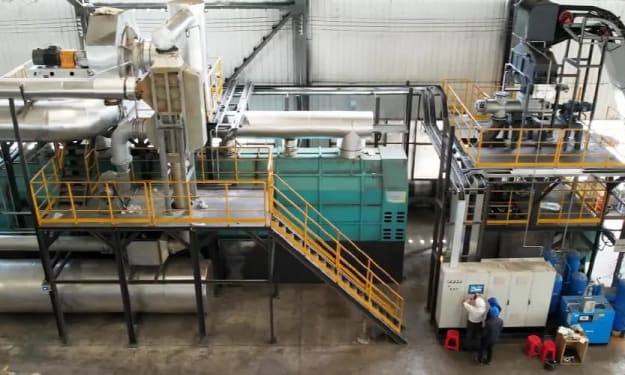
Sawdust charcoal machines vary widely in capacity, automation, and cost— matching equipment to your business scale is critical. Small-scale starters (1-2 tons of charcoal daily) can opt for batch-type machines ($10,000-$30,000), which are easy to operate and require less upfront investment. Medium to large operations (5+ tons daily) should consider continuous carbonization lines ($50,000-$150,000), which boost efficiency with automated feeding and cooling systems. Key features to prioritize: moisture control (sawdust needs 10%-20% moisture), energy efficiency (electric or biomass-fueled), and after-sales service— faulty machines can halt production for weeks. Avoid cheap, uncertified equipment; a $5,000 savings on a machine can cost $20,000 in repairs and downtime.
3. Secure Compliant Site and Raw Material Supply
Site selection and compliance are often overlooked but can sink your business. First, secure a location with easy access to sawdust suppliers (wood mills, furniture factories) to cut transportation costs. The site should be at least 500 square meters— enough for raw material storage, machine operation, and finished product warehousing. Most importantly, obtain necessary permits: environmental protection certificates (carbonization emits minimal pollutants, but filtration systems may be required) and business licenses. In the EU, for instance, you’ll need an EIA (Environmental Impact Assessment) to ensure emissions meet EU standards. For raw materials, sign long-term contracts with suppliers to avoid price fluctuations— sawdust prices can rise 20% during peak wood processing seasons.
4. Calculate Costs and Project Profits Realistically
A clear financial plan is essential for securing loans or self-funding. Fixed costs include equipment, site rental, and permits. Variable costs cover raw materials (sawdust costs $50-$100 per ton), energy, labor, and maintenance. A small-scale operation producing 1 ton of charcoal daily (using 3 tons of sawdust) might have monthly costs of $8,000-$12,000. With charcoal selling at $500-$800 per ton, monthly revenue could reach $15,000-$24,000, leading to a 6-12 month payback period. Factor in contingencies— such as raw material shortages or equipment breakdowns— by setting aside 10%-15% of your budget as a safety net.
5. Train Your Team and Plan for Operations
Even the best equipment fails without skilled operators. Train your team on machine operation, safety protocols (high temperatures require fire prevention measures), and quality control— consistent charcoal quality builds customer loyalty. Partner with equipment manufacturers for training; many offer on-site sessions. Additionally, plan for waste management (small amounts of exhaust can be filtered) and product storage (charcoal absorbs moisture, so use sealed warehouses). Finally, build relationships with local distributors to ensure steady sales— direct sales to retailers can increase profit margins by 15%-20% compared to wholesale.
Investing in a sawdust charcoal machine combines environmental responsibility with profitability, but it’s not a get-rich-quick scheme. By validating the market, choosing the right equipment, ensuring compliance, crunching the numbers, and training your team, you’ll turn a promising idea into a sustainable business. Have you started researching sawdust charcoal markets in your area? Share your questions or insights in the comments!
About the Creator
I Found a Forgotten Star on an Old Vinyl — and It Changed How I See Fame Forever
It was one of those narrow places that smell like dust, cardboard, and time. The kind where the shelves lean slightly, as if even they are tired of standing. I was flipping through old vinyls absentmindedly, not expecting anything more than background noise for a lazy afternoon.
By Reiner Knapp2 days ago in Journal


Comments
There are no comments for this story
Be the first to respond and start the conversation.