
Understanding the Cost of a Tire to Oil Plant
A Comprehensive Breakdown
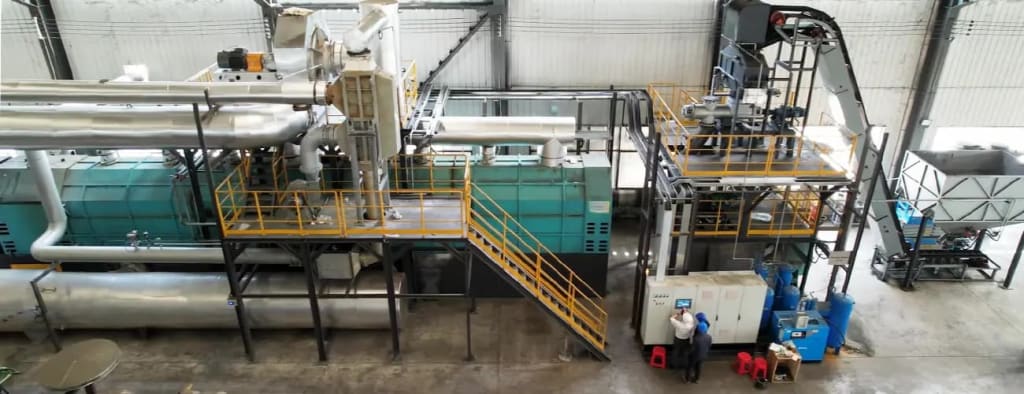
As environmental concerns continue to grow and sustainable solutions gain importance, tire-to-oil plants have become an increasingly popular way to recycle used tires while also generating valuable resources. These plants employ advanced pyrolysis technology to break down old tires into useful products such as oil, gas, carbon black, and steel. However, before diving into the process and benefits, it's essential to understand the factors influencing the cost of setting up and operating a tire-to-oil plant.
1. Initial Capital Investment
The upfront cost of setting up a tire-to-oil plant can vary widely based on several factors:
- Size and Scale of the Plant: Smaller plants, designed for local or niche markets, may cost anywhere from $200,000 to $500,000. Larger, more industrial-sized plants designed to handle thousands of tons of tires per year can cost upwards of $1 million or more.
- Technology and Equipment: The pyrolysis reactor is the heart of the tire to oil plant . More advanced, automated systems with higher efficiency and better safety features tend to cost more. On average, pyrolysis reactors range from $100,000 to $300,000 depending on their size and sophistication. Additional equipment like crushers, conveyors, and filtration systems will further increase the overall cost.
- Land and Infrastructure: The cost of land varies depending on location. Setting up in urban areas or regions with higher land values will drive costs up. Infrastructure for electricity, water, waste management, and transport logistics must also be accounted for in the initial investment.
2. Operating Costs
After the plant is up and running, ongoing operational expenses are critical to profitability. Key factors include:
- Raw Material Supply (Used Tires): Sourcing tires can be a significant part of the operating budget. Prices for used tires depend on their availability and market conditions. Tire suppliers may charge between $20 and $50 per ton, depending on the quality and type of tires.
- Energy Consumption: Pyrolysis is an energy-intensive process. The fuel for heating the reactor, which could be derived from the tires themselves or external energy sources, contributes to operating costs. For larger operations, energy consumption can account for up to 30% of the total operating expenses.
- Labor Costs: A tire-to-oil plant requires skilled labor for operation, maintenance, and monitoring. Labor costs depend on the location and local wages. For example, in some areas, wages can be as low as $2,000 per month, while in others, it could rise to $10,000 or more annually for skilled workers.
- Maintenance and Repairs: Regular maintenance of equipment is essential to ensure smooth operations and prevent costly breakdowns. This can include parts replacement, cleaning systems, and routine checks. Maintenance budgets generally range from 5% to 10% of annual revenues.
3. Output and Revenue Generation
The efficiency of a tire-to-oil plant depends on how much usable oil and other byproducts (like carbon black and steel) can be produced from a batch of tires. A high-efficiency plant may produce:
- Tire Oil: Between 40-50% of the processed tire weight turns into liquid oil, which can be sold as industrial fuel or further refined.
- Carbon Black: 30-40% of the tire weight, this can be sold to manufacturers of rubber products, or even used in power generation.
- Steel: Around 10-15% of the tire weight, which can be recycled for use in various industries.
The revenue from these products will help offset the operational costs and eventually contribute to the plant’s profitability. Oil prices fluctuate based on market conditions, but pyrolysis oil often sells for around $300 to $800 per ton, depending on quality and regional demand.
4. Environmental and Regulatory Considerations
Another factor that can influence the cost of a tire-to-oil plant is the regulatory environment. Depending on the location, there may be:
- Environmental Compliance Costs: Permits, emissions monitoring, waste management, and adherence to environmental standards can result in additional costs. Some countries have strict regulations governing air and water pollution, which require investment in cleaner technologies and filtration systems.
- Government Incentives: In some areas, governments offer subsidies, tax breaks, or grants for eco-friendly businesses, including recycling and waste-to-energy initiatives. These incentives can help reduce the initial cost burden of setting up the plant.
5. Payback Period and Profitability
A key concern for investors is the return on investment (ROI). A well-run tire-to-oil plant typically has a payback period of 2 to 4 years, depending on the scale, efficiency, and local market conditions. The profitability of the plant will largely depend on the price at which oil and other byproducts can be sold, as well as how efficiently the plant operates.
6. Long-Term Sustainability and Profitability
While the initial and operating costs can be substantial, a tire-to-oil plant presents an opportunity for long-term profitability by:
- Reducing the environmental burden of tire disposal.
- Creating valuable products from waste.
- Tapping into the growing market for sustainable, recycled materials.
If managed well, the tire-to-oil plant can be a reliable business model, especially in areas with high rates of tire waste and a demand for alternative energy sources.
Conclusion
Setting up a tire-to-oil plant can be a significant investment, but with careful planning, a clear understanding of the associated costs, and efficient management, it can be a profitable and environmentally beneficial venture. Factors like plant size, technology, labor costs, and regulatory compliance will all influence the overall cost, but with the right strategies in place, tire-to-oil plants can provide both economic and ecological value for years to come.
About the Creator
Author’s Advice
If you would’ve asked me 20 years ago did I know I’d become a writer and an author, I would’ve said “nope, ain’t happening”. As fate would have it I did become an author and I can honestly say I’m loving it so far. It really does feel good to be a writer. I’ve learned a lot on this journey and I feel like with even me being as new to this world as I am, there’s some wisdom I need to share with every other aspiring author.
By Joe Patterson5 days ago in Journal




Comments
There are no comments for this story
Be the first to respond and start the conversation.