
Investing in Infrastructure: Flooring Market Outlook
According to The Research Insights, the global flooring market is expected to exceed USD 398.27 billion by 2030, growing at a CAGR of around 5.4%.

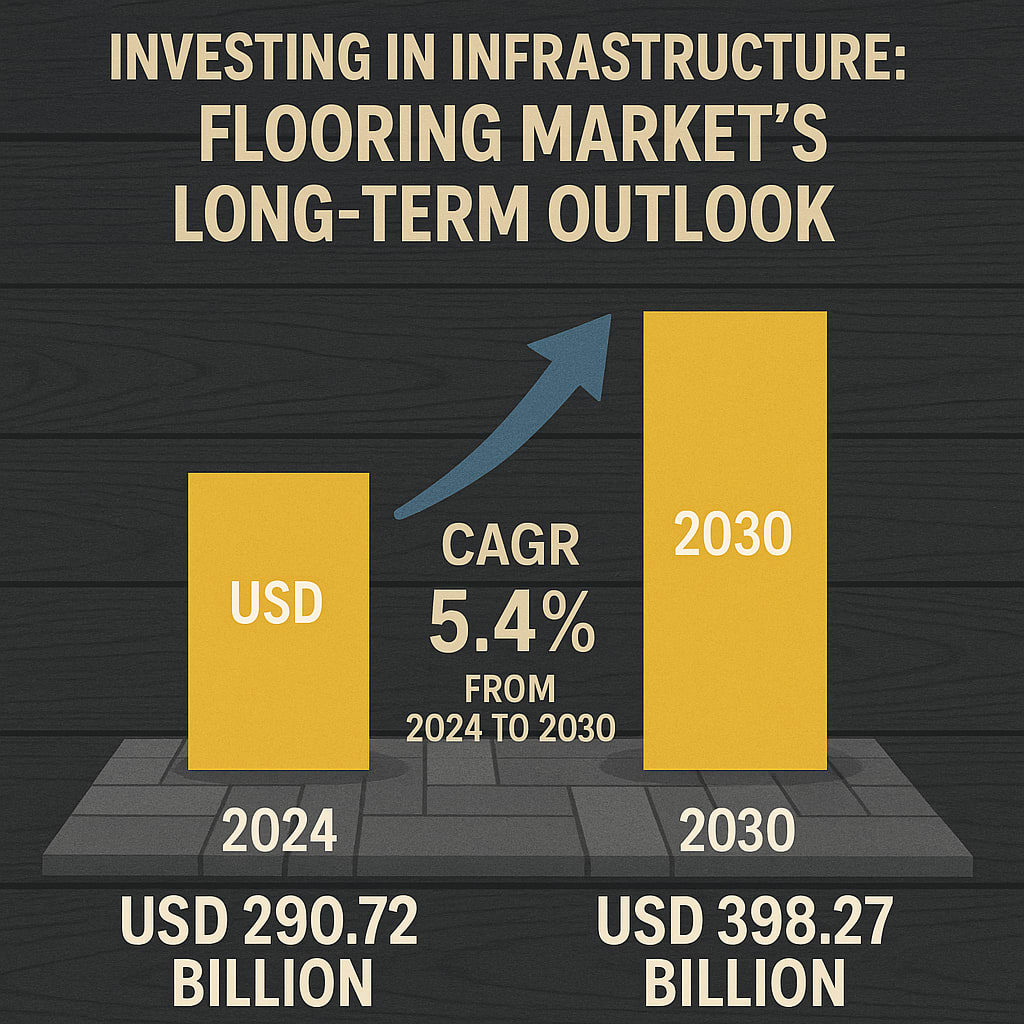
The flooring market experiences a major increase alongside the expansion of global infrastructure projects and faster urban development. Flooring serves as a critical component for functionality, aesthetics, and sustainability across modern infrastructure like commercial complexes and residential towers as well as healthcare facilities and transportation hubs. The flooring industry is set to experience substantial growth due to increasing construction investments alongside a rising emphasis on innovation. This article examines the principal trends and driving forces alongside future projections that define the global flooring market.
1. Global Infrastructure Boom Fuels Demand
Nations around the globe are allocating more funds to infrastructure projects to boost economic activity while enhancing city life quality and addressing housing needs. Economic growth in Asia-Pacific regions alongside expansion in the Middle East and Africa drives urban development which creates greater need for versatile floor solutions.
Developed markets including the U.S. and Europe are allocating resources toward the modernization of infrastructure like airports and hospitals while educational institutions and transport networks also require cutting-edge flooring systems.
2. Technological Advancements and Material Innovation
Material innovation is reshaping the flooring landscape. Engineered wood, luxury vinyl tiles (LVT), laminate flooring and polished concrete have become popular choices due to their combination of attractive design features with long-lasting performance and affordability. The flooring industry has witnessed explosive growth in luxury vinyl tiles because of their realistic look together with simple installation procedures and water-resistant properties.
The development of manufacturing technologies including 3D printing and digital design has improved customization potential enabling manufacturers to fulfill a range of architectural and client requirements. Smart flooring systems with abilities to monitor foot traffic and temperature variations have begun to appear in some commercial settings.
3. Sustainability and Green Building Standards
Environmental sustainability now represents a critical focus area within the construction and infrastructure industries. Manufacturers of flooring products have introduced eco-friendly options that utilize recycled materials while maintaining low VOC emissions along with renewable resources. Both public and private project purchasing decisions are swayed by certifications such as LEED (Leadership in Energy and Environmental Design) and BREEAM (Building Research Establishment Environmental Assessment Method).
Recyclable carpets along with bamboo and cork tiles are becoming increasingly popular because they reduce environmental impact and support healthier indoor environments.
4. Urbanization and Housing Development
The expansion of cities combined with population growth leads to a sharp increase in the demand for new housing units. The growth of affordable housing programs alongside smart city developments stimulates expansive residential building initiatives in developing nations. These construction projects require flooring options that deliver both cost efficiency and superior performance while maintaining aesthetic quality.
The need for durable flooring materials in urban settings to endure heavy foot traffic and environmental changes has resulted in the widespread use of hybrid and composite materials.
5. Rising Demand in the Commercial Sector
Flooring solutions for retail spaces as well as hospitality venues healthcare facilities and office buildings must comply with strict requirements concerning safety hygiene and durability. Healthcare facilities require flooring solutions that minimize slip hazards while preventing microbial growth. Material selection in hospitality and retail industries is guided by design and branding objectives.
After the pandemic businesses demanded hygienic and easy-to-clean flooring for public and commercial spaces which led to increased demand for durable flooring materials.
6. Challenges and Considerations
The growing flooring market contends with obstacles including unstable raw material costs along with shortages of skilled workers and supply chain interruptions. Manufacturers and installers must continually adjust their operations because health and safety regulations keep changing.
Through digital transformation and AI-powered supply chain optimization companies are overcoming hurdles that enable them to deliver projects on schedule while maintaining efficiency.
Outlook: Steady Growth with Innovation at the Core
The growth will be sustained through ongoing infrastructure investment along with increased construction activities combined with consumer demand for innovative and sustainable flooring solutions.
Flooring solutions that function as design elements, performance enhancers, and sustainability contributors will become essential to infrastructure development.
Conclusion: A Grounded Investment Opportunity
To invest in the flooring market means to make a financial commitment to the very ground we stand on. The flooring industry finds itself at an advantageous crossroads between design innovation and technological progress due to the worldwide focus on infrastructure and new construction methods.
Construction, architecture, and urban planning stakeholders need to recognize flooring as a fundamental element that enhances building performance while supporting occupant well-being and increasing long-term asset value.
About the Creator
Paxton Templeton
I’m a storyteller at heart with a passion for turning data into compelling narratives. With a focus on industry trends, market insights, and growth statistics, I bring clarity to complexity
Keep reading
More stories from Paxton Templeton and writers in Journal and other communities.
Healing the Future: Trends Driving the Wound Care Market
Technological innovation along with changing patient needs and increased healthcare awareness is causing a profound transformation in the global wound care market. The aging population combined with the increase of chronic diseases creates greater demand for wound care solutions that provide efficient treatment and personalized care at reduced costs. The phrase "Healing the Future" encapsulates real-world advancements in wound care methods and products that enhance medical results for numerous people. This overview examines the major trends that will define the wound care industry's future direction.
By Paxton Templeton9 months ago in Journal
Author’s Advice
If you would’ve asked me 20 years ago did I know I’d become a writer and an author, I would’ve said “nope, ain’t happening”. As fate would have it I did become an author and I can honestly say I’m loving it so far. It really does feel good to be a writer. I’ve learned a lot on this journey and I feel like with even me being as new to this world as I am, there’s some wisdom I need to share with every other aspiring author.
By Joe Patterson2 days ago in Journal
How High-Grade Aerospace Fasteners Are Selected for Extreme Conditions
In the world of aerospace engineering, every component, no matter how small, plays a crucial role in maintaining safety, reliability, and performance. Among these, high-grade aerospace fasteners including bolts, screws, and specialized connectors are critical. They endure extreme temperatures, heavy mechanical loads, vibration, and corrosive environments. Choosing the right fasteners is not just a matter of convenience it can determine the structural integrity of an aircraft or spacecraft.
By Beckett Dowhan5 days ago in Journal




Comments
There are no comments for this story
Be the first to respond and start the conversation.