
Integrating Gamification Elements into Modern Amusement Rides
Enhancing Rider Engagement through Interactive Design and Behavioral Dynamics
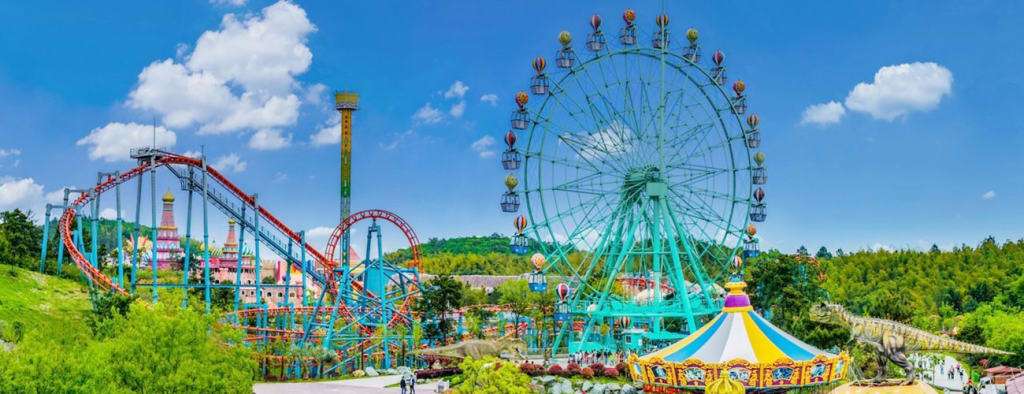
The convergence of digital interactivity and physical experience has redefined the landscape of amusement engineering. Among the most innovative developments in this domain is the infusion of gamification principles into traditional rides. By merging gameplay dynamics with mechanical entertainment, designers are enhancing both engagement and retention in theme parks, carnival fun fairs, and family-oriented attractions. The result is a multidimensional entertainment model that appeals to both emotional and cognitive faculties.
Redefining Ride Engagement through Interactive Mechanics
Gamification introduces a structured layer of motivation that transforms passive ride experiences into participatory adventures. In amusement rides, this transformation often occurs through point-based systems, narrative progression, and real-time feedback mechanisms. Visitors no longer simply endure the centrifugal forces of a spinning arm or the drops of a coaster; instead, they actively influence the outcome of their ride session.
For instance, some dark ride systems now feature onboard laser-based interfaces, allowing riders to interact with themed environments by targeting visual stimuli. These elements not only intensify engagement but also create a sense of personal agency—an attribute often absent in conventional rides. The integration of scoreboards or cumulative tracking across multiple attractions further strengthens visitor loyalty, prompting repeat participation.
Cognitive Stimulation and Competitive Motivation
Psychological principles underpinning gamification—such as reward anticipation and goal orientation—translate effectively into amusement design. The element of competition, whether individual or cooperative, stimulates dopamine-driven responses that heighten satisfaction levels. Modern attractions incorporate tiered objectives, progressive difficulty, and narrative rewards to sustain this engagement.
In a family coaster environment, such mechanisms can serve dual purposes. While the physical ride delivers sensory exhilaration, embedded game mechanics sustain attention and social interaction. Parents and children often collaborate to achieve shared milestones, reinforcing both enjoyment and intergenerational bonding. This hybridization of entertainment ensures that each iteration of the experience remains unique, promoting longer dwell times and enhanced emotional recall.
Technological Integration and Real-Time Feedback
Advancements in sensory computing have facilitated the seamless incorporation of gamified systems within mechanical frameworks. Ride vehicles equipped with touch-sensitive interfaces, gyroscopic sensors, and augmented reality overlays can dynamically adapt to rider behavior. These systems convert raw motion data into interactive outcomes, creating a continuously evolving feedback loop.
For example, motion-tracked hand gestures can trigger visual responses on LED surfaces, while wearable wristbands synchronize with attraction-specific networks to record achievements. This technological symbiosis between hardware and software not only personalizes the experience but also enables analytics-driven optimization. Park operators can evaluate ride performance, adjust scoring algorithms, and introduce seasonal variations to maintain novelty.
Narrative Integration in Ride Design
Gamification thrives on storytelling. Amusement designers increasingly employ narrative-driven frameworks to contextualize ride mechanics. A ride ceases to be merely a sequence of physical sensations; it becomes an episode in a larger narrative arc. Storyline continuity encourages visitors to engage in sequential attractions, similar to progressing through levels in a digital game.
In carnival fun fairs, this narrative approach is particularly potent. Temporary setups traditionally rely on spectacle rather than sustained engagement. By embedding missions or thematic objectives—such as collecting virtual artifacts or completing interactive challenges—operators can transform transient experiences into cohesive adventures. This approach not only elevates the visitor’s sense of accomplishment but also enhances brand memorability.
Adaptive Difficulty and Player Profiling
A key tenet of gamification lies in personalization. Amusement rides can harness adaptive algorithms to adjust difficulty parameters based on user performance. Such systems monitor behavioral metrics—response speed, accuracy, and interaction frequency—to calibrate the challenge level. The result is a balanced experience that maintains excitement without overwhelming the participant.
In a family coaster configuration, adaptive speed modulation or variable obstacle timing could ensure inclusivity across age groups. Younger riders experience manageable challenges, while adults encounter more complex interaction layers. This capacity for real-time adaptation promotes accessibility and broadens the demographic reach of the attraction.
Data Utilization and Post-Experience Engagement
Gamified rides generate extensive behavioral datasets that extend beyond the moment of participation. When linked to digital profiles or park applications, these data streams enable personalized feedback and reward systems. Visitors can receive performance summaries, unlock digital badges, or gain preferential access to future attractions.
This post-experience engagement reinforces a cyclical relationship between guest and venue. In essence, the amusement park evolves into an ecosystem of interconnected achievements rather than a collection of isolated rides. Such continuity fosters repeat visitation and cultivates community-driven loyalty.
Integration within Carnival Fun Fairs
While large-scale theme parks often lead in technological innovation, carnival fun fairs are increasingly adopting scaled-down gamification elements to modernize their offerings. Portable ride systems with integrated leaderboards or mobile app connectivity provide competitive depth without the need for permanent infrastructure.
Games of skill—such as ring toss or shooting galleries—are being enhanced with digital scoring and augmented feedback, creating hybrid experiences that merge nostalgia with innovation. These modifications cater to a generation accustomed to instantaneous digital validation, bridging the gap between analog tradition and contemporary expectation.
Future Directions in Gamified Ride Development
The trajectory of gamified amusement rides points toward deeper sensory integration and extended reality convergence. Future developments may include biometric feedback systems capable of adjusting ride intensity based on heart rate or facial expression analysis. Artificial intelligence could further refine user profiling, enabling predictive personalization across entire entertainment venues.
Moreover, as sustainability becomes a priority, gamification may play a role in energy optimization. Riders could influence operational efficiency through collaborative gameplay, transforming environmental stewardship into an interactive challenge. Such applications illustrate the broader potential of gamified design beyond mere amusement—shaping behavioral outcomes and operational intelligence alike.
Conclusion
The application of gamification elements in amusement rides represents a paradigm shift in experiential design. It fuses digital interactivity, behavioral psychology, and mechanical engineering to produce entertainment ecosystems of remarkable complexity. Whether embedded in a family coaster or deployed across carnival fun fairs, gamification transforms transient thrill into participatory immersion.
This synthesis of play and performance redefines the very purpose of amusement—no longer a passive escape, but an active, evolving encounter between technology, narrative, and human emotion.
About the Creator
Beston Amusement Rides
As a leading amusement facility manufacturer, we provide safe and interesting amusement equipment to customers around the world, including roller coasters, Ferris wheels, pirate ships and so on.
Website:https://bestonamusementrides.com/
Keep reading
More stories from Beston Amusement Rides and writers in Journal and other communities.
The Role of Intelligent Control in Modern Amusement Rides
The amusement industry has evolved into a technologically intricate field where mechanical design, electronic systems, and intelligent control converge to deliver both safety and entertainment. Once dominated by purely mechanical contraptions, modern rides increasingly depend on computational intelligence to ensure precision, reliability, and efficiency. Intelligent control systems, leveraging advanced algorithms and sensor networks, have become fundamental to both stationary and mobile amusement installations.
By Beston Amusement Rides5 months ago in Journal
Hoppers Movie Review: Pixar’s Wild, Funny, and Surprisingly Dark New Adventure
There’s always something special about a brand-new Pixar movie hitting theaters. Whether you grew up watching their classics or discovered them later, Pixar has built a reputation for delivering emotional, creative, and unforgettable animated stories. Now, the studio is back with a fresh original film — Hoppers.
By Bella Anderson5 days ago in Journal



Comments
There are no comments for this story
Be the first to respond and start the conversation.