
Industrial Overload Relay Applications: Real-World Uses Across Industries
Overload Relay


Imagine a high-speed conveyor belt in a manufacturing plant suddenly grinding to a halt because its motor overheated. Downtime begins, productivity drops, and thousands of dollars are lost by the minute. Situations like these are not rare—but they are preventable. The unsung hero behind this protection is the industrial overload relay.
An overload relay is a protective device designed to safeguard electric motors from damage caused by excess current, prolonged overload, or phase failure. While circuit breakers protect against short circuits, overload relays focus on sustained overcurrent situations, ensuring that motors shut down before reaching critical failure.
This article explores the real-world applications of overload relays across industries, highlighting how they improve reliability, reduce downtime, and extend equipment life. From manufacturing plants to oil rigs, HVAC systems, and water utilities, overload relays are central to operational safety and efficiency.
Section 1: Understanding Overload Relays and Their Importance
What Is an Overload Relay and Why Do Industries Rely on It?
An overload relay is an electromechanical or electronic device that works in conjunction with motor contactors to protect electric motors. Its primary function is to detect excess current flow and interrupt the circuit before the motor overheats or fails.
Types of overload relays include:
- Thermal overload relays – use bimetallic strips that bend under heat to trip the circuit.
- Electronic overload relays – advanced models offering precise current monitoring, diagnostics, and communication with control systems.
- Magnetic overload relays – respond instantly to rapid current increases.
Key differences from circuit breakers:
- Circuit breakers protect the entire circuit from short circuits and extreme surges.
- Overload relays focus on protecting the motor from sustained overload conditions.
With global demand for motor-driven equipment increasing, overload relays are more critical than ever. Market research projects the Industrial Overload Relay market to grow from USD 178.8 million in 2024 to USD 279.4 million by 2033, at a CAGR of 5.1%. This steady growth underscores their importance in every sector that depends on motor reliability.
Section 2: Manufacturing Industry Applications
Overload Relays in Manufacturing Plants
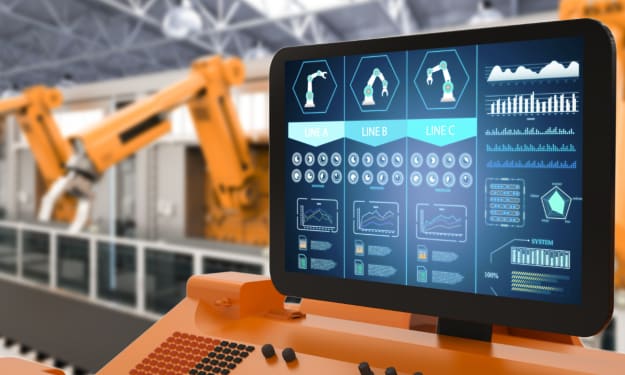
Manufacturing is one of the heaviest users of motor protection devices. Motors power conveyor belts, pumps, compressors, robotic arms, and assembly lines—all of which must operate continuously to maintain productivity.
- Conveyor Systems: Relays prevent motor burnout when loads increase unexpectedly.
- Pumps and Compressors: Protect critical motors that sustain plant utilities.
- Automotive Assembly Lines: Ensure robots and tools operate without interruption.
Industry impact: According to Aberdeen Research, unplanned downtime in manufacturing can cost as much as $260,000 per hour. By integrating overload relays, manufacturers significantly reduce these losses by ensuring motors trip safely before damage occurs.
Case in point: A Korean heavy industry project leveraged Rockwell Automation’s E300™ electronic overload relays, which integrated real-time diagnostics and Ethernet/IP networking. This upgrade simplified motor control while enhancing reliability on the assembly floor.
Section 3: Oil, Gas, and Energy Sector Applications
Keeping Heavy-Duty Motors Safe in Energy Industries
The oil and gas sector depends on motors for drilling rigs, pumping stations, and refinery systems. In such high-stakes environments, motor failure is not just costly—it can also be dangerous.
- Drilling Rigs: Overload relays protect motors powering drill strings and mud pumps.
- Pumping Stations: Relays prevent overheating in motors transporting crude oil and natural gas.
- Refineries: Relays ensure compressors and processing units maintain uptime.
Harsh conditions—heat, dust, vibration, and corrosive atmospheres—demand ruggedized electronic relays with features like adjustable trip classes and IP66 enclosures. These allow precise calibration and protection even in offshore rigs.
A Texas oil and gas firm tested multiple motor protection devices before choosing the Littelfuse MP8000 Bluetooth® Overload Relay. With smartphone monitoring and predictive diagnostics, the solution offered better investment protection and improved worker safety.
Section 4: HVAC and Building Systems
Overload Relays in HVAC and Commercial Infrastructure
Modern HVAC systems rely on motors to drive compressors, chillers, and air-handling units. A failed motor in a commercial building can result in unbearable conditions for occupants and costly energy inefficiencies.
- Compressors: Relays protect against overload during start-up surges.
- Air-Handling Units: Safeguard fan motors under varying load conditions.
- Chillers: Maintain system reliability for climate-controlled environments.
In commercial facilities such as hospitals, airports, or data centers, uninterrupted HVAC is non-negotiable. Electronic overload relays with real-time monitoring help facilities managers anticipate failures before they cause service disruptions.
Section 5: Water Treatment and Utilities
Safeguarding Pumps and Motors in Utilities
Municipal utilities and water treatment plants rely on motors for pumping, aeration, and filtration systems. Overload relays are vital in ensuring the continuous operation of these critical services.
- Pumping Stations: Relays prevent motor damage from heavy water flow loads.
- Lift Stations: Protect motors in sewage plants from overload and phase failure.
- Treatment Plants: Safeguard aeration blowers and mixers essential to water purification.
Failure of these motors could disrupt essential services for entire communities. By deploying overload relays, utilities improve infrastructure resilience and reduce maintenance costs.
Section 6: Food & Beverage Industry
Ensuring Smooth Operations in Food Processing Plants
The food and beverage industry operates under strict compliance and hygiene standards. Any downtime risks not only cause lost productivity but also contamination and regulatory penalties.
- Mixers and Grinders: Relays protect motors from heavy or uneven loads.
- Refrigeration Units: Ensure cold storage reliability for perishable goods.
- Conveyors: Keep packaging and processing lines running efficiently.
Overload relays ensure that if a motor is strained—say, due to an unexpected load on a mixer—it shuts down safely before damage occurs. This keeps production safe, compliant, and efficient.
Section 7: Transportation & Automotive
Overload Relay Use in Railways and Automotive Systems
In the transportation sector, overload relays protect motors used in critical applications like signaling, maintenance equipment, and electric rail systems.
- Railways: Motors in signaling systems and train operation are protected from prolonged overload.
- Automotive Manufacturing: Overload relays safeguard robotic arms and conveyor systems on assembly lines.
- Electric Vehicle (EV) Production: Protect specialized machinery used in battery manufacturing.
As automation increases in transportation, overload relays ensure reliability in robotics and industrial tools. Their use in EV assembly plants demonstrates their evolving role in new-age industries.
Across industries from manufacturing and energy to HVAC, utilities, and food processing, industrial overload relays remain indispensable. They reduce unplanned downtime, extend motor lifespan, and maintain safety in mission-critical operations.
Technological advancements such as smart overload relays with IIoT integration are transforming motor protection. With features like remote diagnostics, adjustable trip classes, and predictive maintenance, these devices go beyond protection—they enable efficiency and operational intelligence.
Frequently Asked Questions (FAQs)
1. What is the difference between an overload relay and a circuit breaker?
An overload relay protects motors from prolonged excess current (overload), while a circuit breaker guards against sudden, severe events like short circuits or large surges. Both are essential, but overload relays specifically extend motor life by tripping when the motor is under sustained stress.
2. Which industries use overload relays the most?
Overload relays are used across many industries, but they are most critical in:
- Manufacturing – conveyors, compressors, robotic arms.
- Oil & Gas – drilling rigs, pumps, refineries.
- HVAC – compressors, chillers, air-handling units.
- Utilities – municipal water pumping and treatment plants.
- Food & Beverage – mixers, refrigeration, conveyors.
3. What are the main types of overload relays?
The three main types are:
- Thermal overload relays – use heat-sensitive bimetallic strips.
- Electronic overload relays – provide precise monitoring, diagnostics, and IIoT integration.
- Magnetic overload relays – respond instantly to abnormal current spikes.
4. Why are smart overload relays becoming popular?
Smart overload relays allow real-time monitoring, predictive maintenance, and integration with industrial automation systems. They help reduce downtime by predicting failures before they occur and provide actionable data for engineers.
5. How do overload relays improve safety?
By tripping the circuit when a motor is overloaded, overload relays prevent overheating, equipment damage, fires, and potential operator hazards. This makes them an essential component for workplace safety.
6. How do I choose the right overload relay for my application?
Factors to consider include:
- Motor size and current rating
- Application environment (temperature, dust, vibration, moisture)
- Trip class requirements (startup vs continuous load conditions)
- Integration needs (basic protection vs smart monitoring)
7. What happens if an overload relay is not installed?
Without an overload relay, motors risk severe overheating and permanent damage during overload conditions. This can lead to costly repairs, extended downtime, and even safety hazards like fires.
8. Are overload relays still relevant with modern drives and controls?
Yes. Even with Variable Frequency Drives (VFDs) and advanced control systems, overload relays provide an additional layer of protection. Many industries deploy them alongside smart controls for redundancy and compliance with safety standards.
About the Creator
Jason Sky
Hey, I am Jason Sky, and I'm an electrical engineer with over a decade of experience in the field. I'm proud to say that I've played a key role in many significant projects over the years.
Strengthening Claims Outcomes Through Insurance Coverage Investigation
Insurance claims are a critical moment of truth for policyholders, insurers, and all stakeholders involved in risk transfer. When a loss occurs, the speed, accuracy, and fairness with which a claim is handled directly affect financial outcomes, customer trust, regulatory compliance, and litigation exposure.
By Addison Jonsa day ago in Journal


Comments
There are no comments for this story
Be the first to respond and start the conversation.