
I started running a matcha brand what did I learn?
It all started in April 2025, when I was traveling to my partner’s home country — Vietnam.
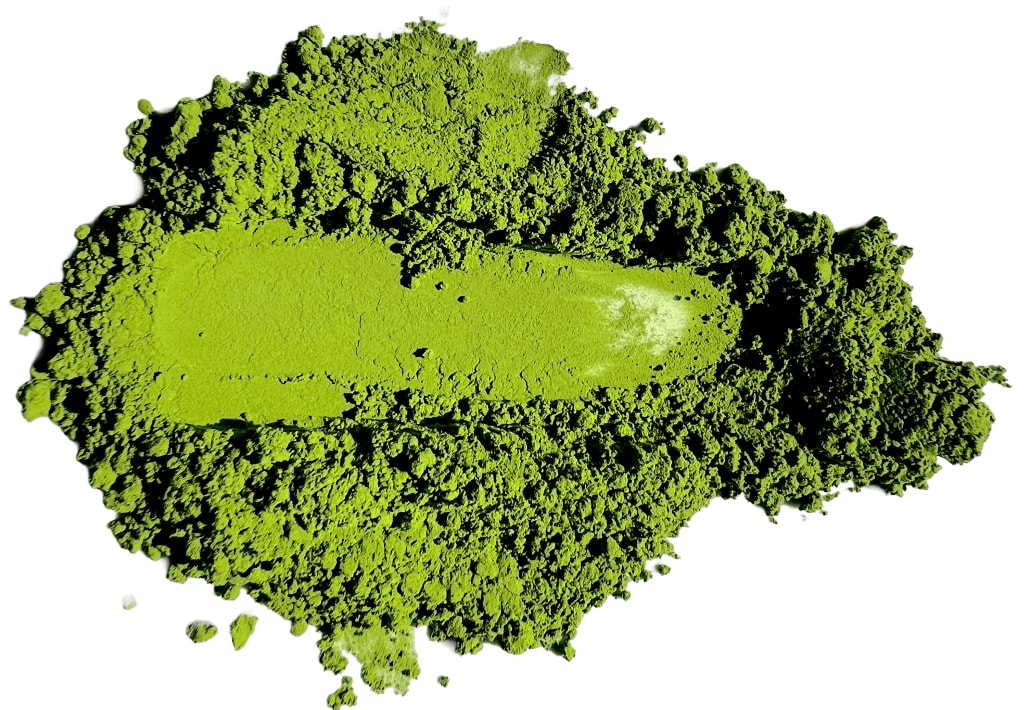
We had been exploring Asia for a while, and it was on the island of Phu Quoc that this idea really took shape. Matcha wasn’t new to us — I’d tried it plenty of times in London, and in Vietnam (like in many Asian countries), tea is an everyday staple ( well not exactly but it is quite popular with Gen Z). Matcha had already joined the global boom, and its popularity there was strong too.
Still, we couldn’t resist diving deeper. We both loved matcha (okay, my partner a bit more than me lol), so we started experimenting.
The Taste Tests Begin
I’ve tried a lot of matcha over the years, but honestly, many brands only shine when mixed with milk. The moment I started sampling pure matcha — just mixed with water — I realized how nuanced the flavors really are. Some were surprisingly bitter. Of course, all matcha is technically green tea, so a little astringency is expected, but subtle differences start to stand out once you taste enough of it.
At one point, I joked that matcha tastes like green tea leaves themselves (don’t ask why I know what leaves taste like). What struck me most was how drinking matcha with water forces you to slow down. With milk, I tend to gulp it quickly, but with water — you really savor it.
Sourcing the Best Matcha
We initially looked at wholesale suppliers that source from Japan but trade in international currency and speak English . That road took us to Dubai, EU wholesalers ( as many Japaenese brands open companies as wholesales in USA and EU ) and elsewhere - but that didn’t go as planned. So we refocused and decided to source directly from Japan — our original idea.
Now, sourcing matcha from Japan sounds simple, but here’s the catch: there’s a global matcha shortage, and many farms simply don’t have the supply. We tried reached out to big names like Marukyu Koyamaen, small names, middle names and all names. But it was not easy. We messaged farms on Instagram, sent emails, even asked my partner’s cousin in Japan for help. Still, no luck.
Then, finally — a breakthrough. One of the farms my partner had originally suggested replied. They were open for business. We were over the moon. The product quality was impeccable, the flavor rich and vibrant — though the price wasn’t exactly cheap. But we knew from day one: people come back for quality, not quantity.
Branding: The Ugly Label Era
With the matcha secured, it was time to design our packaging. That’s when we realized—I suck at design (and, to be fair, so does my partner lol). We hired a freelancer, but even then we ended up doing most of the visual design ourselves because we wanted something we genuinely loved.
There were so many iterations — countless tins with prints we hated, endless feedback sessions with friends (“Hey, what do you think of this one?”), and even my mom got involved. Eventually, after enough tweaks, trials, and coffee-fueled nights, we reached a design we were 90% happy with. Not perfect, but ours.
Enter Amazon: The Marketplace Jungle
Naturally, our next step was Amazon. It’s the easiest way to get in front of thousands of customers quickly, right? True — but wow, it’s competitive. Cheap products dominate, customer expectations are high, and premium niches are already crowded with established brands.
Still, we didn’t give up. We kept pushing, adjusting, learning. And though Amazon takes a hefty cut, we’ve grown some loyal customers who make it all worth it. You know that saying, “80% of your sales come from 20% of your customers”? Totally true for us. We have a small, loyal group of customers who love our tea — and that’s what keeps us going.
We drink our own matcha nearly every day (because we actually love it), and seeing others share that same excitement is so rewarding.
Lessons from Starting a Brand in 2025
If you’re thinking about launching your own brand, here are a few lessons I’ve learned along the way:
Start bold and don’t be afraid to move.
Never underestimate the research phase. Your initial conservative estimates are probably right.
Try bold new ideas. Experimentation is the fastest way to learn.
Always keep learning — from design to logistics to marketing.
So, What’s Next?
We’ve since expanded into other teas — hojicha, genmaicha, and more. Some are hits, some… not so much (lol), but that’s part of the journey. I even realized genmaicha might just be my favorite powdered tea.
And now, we’ve set our sights on 2026. The next big step? Opening our very own tea (and coffee!) shop. Do we have the finances for it yet? Nope. Are we fully ready? Probably not. But do we want it? Oh, 100%.
My partner is amazing with pastries — the passion in her eyes when she bakes honestly inspires me. So, this café isn’t just a business plan; it’s the next step in our shared story. Because at the end of the day, we’re not just building a brand — we’re building something that’s true for us.
About the Creator
Keep reading
More stories from Pavel Scutari and writers in Journal and other communities.
Why every page in SEO is a battle
Hey all, long time no see — or should I say long time no post! Today, I want to dive into an important lesson I’ve learned (and am still learning) about SEO: every single page you create is a battle in rankings. No matter how well you’re ranking for similar terms, there’s never a guarantee you’ll secure a top spot in the SERPs.
By Pavel Scutariabout a year ago in Journal
Enterprise Compensation Management (ECM): A Practical Guide for Modern Organizations
Enterprise Compensation Management (ECM) plays a critical role in how large organizations attract, retain, and motivate talent. As companies grow across regions and job functions, managing compensation manually or through disconnected systems becomes inefficient and risky. ECM provides a structured, transparent, and data-driven approach to handling salaries, incentives, bonuses, and benefits at scale.
By M Yawer Yousaf6 days ago in Journal




Comments
There are no comments for this story
Be the first to respond and start the conversation.