
iPhone Fold Leak Disappoints Fans: The Screen Size Surprise Nobody Wanted
New leaks suggest Apple’s first foldable iPhone might fall short on screen real estate — and it’s leaving many fans questioning the hype.
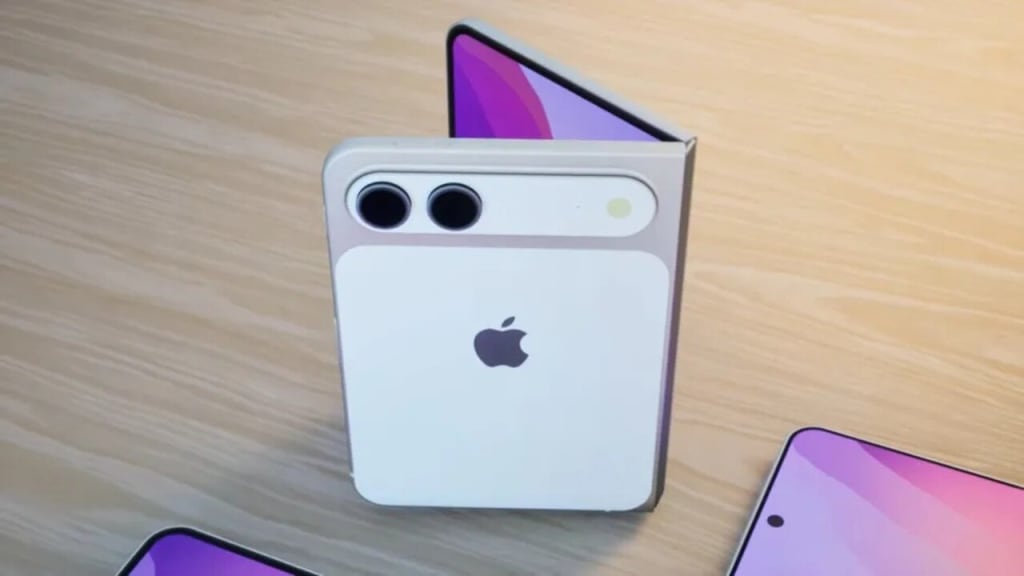
Apple has established itself as a leader in innovation—not always for being the first, but rather for refining technology. Thus, when talk of a foldable iPhone emerged, the buzz was intense. Tech lovers, Apple supporters, and interested observers were all eager to see what Cupertino would create with a foldable design.
However, a recent leak from a reliable source may be dampening that excitement. The screen dimensions disclosed for Apple’s initial foldable product are not just smaller than anticipated; they could be uncomfortably tiny.
Foldable Future? Not So Fast.
The tipster — known for accurately predicting iPhone specs in the past — claims Apple’s first foldable iPhone will feature a 5.4-inch external display and a 7.3-inch internal screen when unfolded. While this sounds decent on paper, it pales in comparison to existing foldables like the Samsung Galaxy Z Fold 5, which boasts a 7.6-inch internal display and a larger, more usable outer screen.
For those dreaming of a true mini-iPad experience in their pocket, this leak hits hard.
Fan Reaction: “We Waited for This?”
Social media platforms erupted almost instantly with reactions ranging from mild disappointment to outright frustration. One popular tech Reddit thread featured comments like:
“This sounds like an iPhone Mini with a twist.”
“They could have blown Samsung out of the water, and instead, they played it safe.”
“This isn’t innovation. It’s iteration.”
Clearly, expectations were high. The foldable iPhone wasn’t just supposed to be another product — it was meant to redefine Apple’s place in the future of smartphones.
Playing It Safe — The Apple Way
Apple hasn't frequently been the first mover in new markets in the past. They never launched the first smartphone, smartwatch, or even wireless headphones. But when Apple decides to launch a new product, it often pays painstaking attention to detail and a finished result.
Could this little foldable iPhone be component of a strategic plan?
It is quite likely.
A smaller foldable design has several advantages. It can be more easily combined with iOS without a full user experience change and is sometimes lighter and possibly more robust. Moreover, it lowers the likelihood of screen damage—a major concern for modern foldable devices.
From a manufacturing and dependability standpoint, a smaller size might make it safer for a first-generation product.
Missed Opportunity or Master Plan?
Still, it's hard not to wonder whether Apple has missed a rare opportunity to really wow its audience. Particularly for those who imagined a flexible gadget capable of acting as both a productivity tool and an entertainment device, a folding gadget of little size might come off as disappointing after a lengthy period of guessing and enthusiasm.
Apple, however, is not to be abandoned just yet. With a range of innovations, the company might improve the foldable experience despite the reduced displays:
- Cutting-edge hinge technology produces a nearly perfect crease.
- Vibrant images and fluent performance characterize OLED ProMotion displays.
- A customized iOS or iPadOS interface designed for efficient multitasking
- Compatibility with the Apple Pencil for onthego digital drawing
- Greater integration with Apple's environment—that is, AirPods and MacBooks
The iPhone Fold could offer a great user experience if Apple deals with it intelligently—even without outstanding features.
Bigger Isn’t Always Better — Or Is It?
The decision to go small might also be tied to Apple’s understanding of its user base. Not every Apple customer wants a phone that unfolds into a mini laptop. Many simply want convenience, seamless design, and devices that "just work."
But tech enthusiasts — and Apple’s loudest fans — were expecting more. The foldable market, while niche, thrives on drama and futuristic appeal. A 7.3-inch display doesn’t turn heads in 2025 the way it might have in 2020.
When Can We Expect the iPhone Fold?
While no official date has been announced, analysts suggest Apple could debut its foldable prototype by late 2025 or early 2026. That gives the company time to perfect durability, software optimization, and global production — but it also means competitors will keep iterating in the meantime.
By the time Apple’s device hits shelves, Samsung could be on its seventh or eighth generation of foldables, with even better battery life, thinner builds, and stronger hinges.
The Takeaway: Temper Expectations
This leak might not spell disaster — but it does serve as a wake-up call.
If you were waiting for a revolutionary foldable iPhone that redefines what a smartphone can do, you might need to adjust your expectations. Apple appears to be entering the foldable space with caution, not chaos. Whether that strategy will pay off depends on how well this smaller device delivers where it matters: experience, integration, and reliability.
For now, we wait — a little less wide-eyed, perhaps, but still hopeful that Apple has a few surprises up its sleeve.
About the Creator
Keep reading
More stories from Shahjahan Kabir Khan and writers in Journal and other communities.
MacBook Air M5 Leak Hints at a Fanless Powerhouse
Introduction: A Silent Revolution in Apple’s Air If the leaks are to be believed, Apple is preparing to take its MacBook Air lineup to the next level with a fanless, ultra-efficient M5 chip-powered model. And while Apple rumors are often sprinkled with exaggeration, the consistent details emerging this time are hard to ignore.
By Shahjahan Kabir Khan6 months ago in Journal
Silent Happy Hours: The $2.1 Trillion Question
The first time you realized alcohol was more than “just a drink” probably didn’t happen in a boardroom. It was in the quiet click of a bottle cap after a long day, the nervous clink of glasses at a first date, or the way a wedding dance floor transformed right after the bar opened.
By james robert7 days ago in Journal



Comments
There are no comments for this story
Be the first to respond and start the conversation.