
iPhone 17’s Display Game Just Changed Forever: Here’s What’s New
From Brighter Brilliance to a Smarter Refresh—Apple’s Next iPhone Will Be a Visual Powerhouse
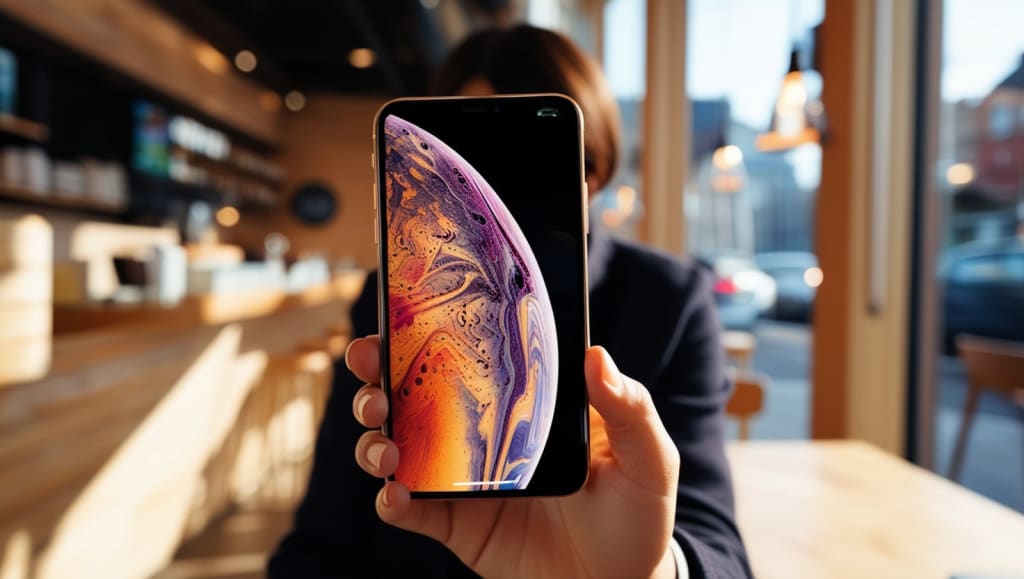
From Brighter Brilliance to a Smarter Refresh—Apple’s Upcoming iPhone Will Be a Visual Marvel.
Each September, fans of Apple eagerly anticipate the next step in the evolution of the world's most beloved smartphone. Although features like cameras, battery performance, and processors often steal the show, the iPhone's screen— that shiny glass surface we gaze at for hours daily—often doesn’t receive the recognition it merits. This is set to change.
For the next iPhone 17, Apple is set to introduce two significant upgrades to the display, which promise to transform our interaction with our devices. These aren’t mere small adjustments or industry jargon. They represent substantial, user-centered improvements that strive to enhance visual quality and promote better energy efficiency for everyday users.
Let’s explore what's on the horizon and why it’s more significant than you realize.
1. Micro-Lens Technology for a Brighter, More Efficient Screen
Let's start with a technology known as micro-lens technology. While it may seem like a concept reserved for a lab setting with microscopes, its use in this context is quite straightforward and clever.
Reports suggest that Apple is integrating tiny lenses into the OLED layers of the iPhone 17's screen. The purpose? To better manipulate and focus light.
To visualize this: traditional OLED displays spread light in various directions, meaning not all of it reaches your eyes. A significant amount is lost within the layers of the screen, which forces the phone to use more energy to maintain brightness—thus consuming battery faster.
By utilizing micro-lenses, the light is more accurately directed towards the screen’s surface, boosting brightness without needing extra power. Essentially, this means a brighter display without excessive battery drain. This is quite important.
What about using it outdoors? It could truly transform the experience. You won’t have to shield the phone with your hands to read texts in bright sunlight anymore. The new iPhone is expected to perform well even in direct sunlight conditions.
Supply chain experts indicate that Apple’s display provider, presumed to be Samsung, is already producing these new screens on a large scale. This strongly suggests that this enhancement is not just a speculation.
2. LTPO for Everyone: Adaptive Refresh Comes to Standard Models
The second change may seem more subtle, but it’s arguably even more important for long-term user experience. Apple is expected to expand its LTPO (Low-Temperature Polycrystalline Oxide) display technology to all iPhone 17 models, not just the Pro line.
Why is this exciting? Because LTPO enables adaptive refresh rates—meaning the screen can automatically switch between refresh speeds depending on what you’re doing.
Right now, only the Pro models (like the iPhone 15 Pro) have this feature. They can jump to 120Hz for buttery-smooth scrolling and drop down to 10Hz or even 1Hz for static content like reading an email or checking the weather. This smart adaptation saves power while maintaining performance.
By bringing LTPO to the regular iPhone 17 and 17 Plus, Apple is finally giving every user access to a smarter, more energy-efficient display. That’s not just good news for gamers and TikTok scrollers—it’s a win for your battery and your eyes.
This kind of democratization of Pro-level features is exactly what many Apple fans have been asking for.
Why These Display Upgrades Matter More Than You Think
Sure, we all love brighter screens and longer battery life. But when you combine these two technologies—micro-lens efficiency and LTPO adaptability—you’re looking at a display that is:
- Brighter without the heat or power drain
- Smarter in how it uses refresh rates
- Easier to see in bright light
- More efficient for long-term battery health
In the arms race of smartphone innovation, it’s not just about throwing more pixels or flashy features at users. It’s about making the screen work harder and smarter without asking the user to do anything differently.
Apple’s brilliance has always been in making complexity feel simple, and these upgrades fit that philosophy to a tee.
What This Means for Apple (and You)
By investing heavily in display innovation, Apple is sending a clear message: the screen is the heart of the iPhone experience. It’s where we interact, connect, work, scroll, shoot, swipe, stream, and scroll some more.
Improving this core feature without changing the basic look of the device may not scream innovation to the average consumer at first glance—but it quietly transforms how the iPhone feels in hand.
For users, that means less charging anxiety, a more immersive experience, and even a better resale value since battery efficiency helps long-term performance.
And for Apple? It’s a strategic move to stay ahead of the Android competition—especially brands like Samsung and Google, who have been pushing advanced display tech hard in recent years.
The Bottom Line: It’s All About the Experience
We live in an era where phones aren’t just tools—they’re extensions of our lives. Whether you're watching Netflix on the train, capturing golden hour on a hike, or just doom-scrolling in bed, the quality of your screen shapes your digital experience.
With the iPhone 17, Apple isn’t just upgrading the display—they’re redefining how we see our world through it.
So next time you unlock your phone, remember: what you’re looking at isn’t just glass and pixels. It’s innovation layered in light—and Apple just turned the brightness up.
💬 What do you think? Are these display upgrades enough to make you consider upgrading to the iPhone 17, or are you waiting for a more dramatic change like a foldable screen or a portless design? Let’s talk in the comments!
About the Creator
Keep reading
More stories from Shahjahan Kabir Khan and writers in Journal and other communities.
Apple vs. The Leak: Inside the Lawsuit Against the YouTuber Who Exposed iOS 26
The Leak That Shocked the Apple World Tech YouTuber Daniel West uploaded a 17-minute video named "iOS 26 – Secret Features Apple Doesn’t Want You to Know," expecting it to be another popular moment for his expanding channel. With a subscriber count surpassing 300,000 and a dedicated following of Apple fans eager for his insights, Daniel frequently explored beta software, hardware prototypes, and Apple-related rumors. However, this particular video stood out.
By Shahjahan Kabir Khan8 months ago in Journal
Author’s Advice
If you would’ve asked me 20 years ago did I know I’d become a writer and an author, I would’ve said “nope, ain’t happening”. As fate would have it I did become an author and I can honestly say I’m loving it so far. It really does feel good to be a writer. I’ve learned a lot on this journey and I feel like with even me being as new to this world as I am, there’s some wisdom I need to share with every other aspiring author.
By Joe Patterson3 days ago in Journal
Top tipple tricks
Been thinking a lot about drinking, lately. Not least because of a recent episode of over-indulgence and the inevitable after effects. Some readers may recall the earlier articles I wrote about beating the booze. Here I set out an experiment in techniques for cutting down on my alcohol intake. The experiment was successful, the techniques worked, and I have armed myself with an arsenal of weapons in the war against the demon drink. I have yet to fire the first round however. It's all a question of timing (perhaps procrastination).
By Raymond G. Taylor6 days ago in Psyche



Comments
There are no comments for this story
Be the first to respond and start the conversation.