
I Have No Ideas—Can I Still Start a Business From Home?
No Ideas? No Problem—Start Your Business, Even Without Ideas.


Introduction
Starting a business from home when you have no idea where to begin might feel overwhelming. I get it—I’ve been there too. The fear of not knowing what to do or how to start can keep even the most determined dreamers stuck. But here’s the thing: you don’t need a revolutionary idea or a big budget to take your first step.
Some of the most successful businesses didn’t start with genius concepts; they began with someone recognizing a simple need and solving it. That’s exactly what we’ll focus on here—turning uncertainty into a path forward.
In this article, I’ll share actionable steps, personal insights, and examples of entrepreneurs who started from scratch, like you. This isn’t just theory; these are practical, proven strategies that work. Whether you’re looking for inspiration or a clear roadmap, you’ll find it here.
After reading this article, you will have the confidence and tools to take your first step towards building a home-based business. Let us make it happen.
Why does starting from home work?
Starting a business from home offers more than convenience—it’s a strategy with proven success. Here’s why so many entrepreneurs are beginning their journeys from home:
- Lower costs, higher savings. Running a business from home eliminates major expenses like office rent and transportation costs. According to a report by the Small Business Administration, home-based businesses make up over 50% of U.S. small businesses and collectively contribute $1.5 trillion annually to the economy. The money saved on overhead can be reinvested into growth, such as marketing or product development.
- Flexibility to start small. Working from home gives you the freedom to start on your own terms. Whether you’re testing a side hustle or committing full-time, this approach allows you to experiment without taking on major risks. Research from Global Workplace Analytics highlights that 85% of home-based businesses see profitability within their first year, largely because they can adapt quickly to changing demands.
- Global opportunities at your fingertips. Digital platforms like Zoom, Shopify, and Fiverr have revolutionized how home-based businesses connect with clients. As an example, Shopify reports that its merchants generated over $490 billion in sales in 2022, many of whom run their stores from home. These tools make it possible to collaborate and sell globally, breaking traditional barriers.
Legendary companies like Amazon and Apple started in garages, proving that home-based ventures can grow into global empires. Even today, countless entrepreneurs are finding success by leveraging the affordability and flexibility of working from home.
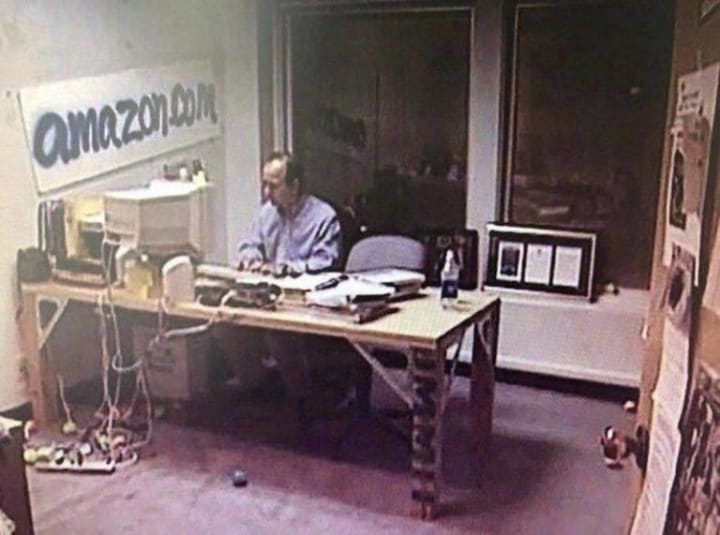
With reduced costs, adaptable growth opportunities, and tools that open up global markets, starting from home isn’t just a viable option—it’s one of the smartest moves for modern entrepreneurs.
Breaking through the “No Idea” barrier.
Not having a business idea might feel like a roadblock, but it’s an opportunity to explore possibilities and create something unique. Here’s how you can move from “no idea” to your first actionable concept:
- Explore your strengths. Start with what you know. What skills, hobbies, or experiences do you already have? A survey by Statista found that 41% of small business owners built their ventures around existing skills or interests. Whether it’s baking, graphic design, or tutoring, your expertise could be the foundation of a great business.
- Identify problems to solve. Successful businesses often start by addressing a gap in the market. Look around you—what are people struggling with? Tools like Google Trends, Reddit, or even local Facebook groups can reveal what’s in demand. Businesses solving niche problems, like eco-friendly packaging or virtual fitness training, have seen exponential growth in recent years.
- Utilize market research tools. If you’re still unsure, turn to market research tools for inspiration. Google Keyword Planner and AnswerThePublic are excellent resources for discovering trending topics and unmet needs. For example, searches for “sustainable home goods” have grown by 22% annually, indicating a clear market opportunity.
- Draw inspiration from others. Many entrepreneurs started without a groundbreaking idea. They took existing concepts and gave them a personal twist. Look at platforms like Etsy for craft ideas or Fiverr for service-based inspiration. Adapting an existing idea to suit your style or audience can lead to success.
Realizing you have no business idea is just the beginning of your journey. With the right tools, market research, and focus on problem-solving, you’ll find opportunities waiting for someone like you to take the lead.
Innovative home-based business ideas for 2025.
As we approach 2025, the way home-based businesses operate is transforming. Here are some forward-thinking ideas that reflect upcoming trends and market demands:
- Virtual reality (VR) content creation. With the VR industry expected to hit $60 billion by 2025, creating VR experiences for education, real estate, and entertainment offers enormous potential. Imagine designing virtual training modules for schools or immersive tours for real estate clients.
- Sustainable product development. Research shows that 73% of consumers are now prioritizing eco-friendly brands. Creating sustainable home goods, reusable packaging, or eco-conscious cleaning products can tap into this growing market.
- Digital health and wellness services. Preventive health and personalized wellness are booming. Starting a virtual wellness coaching service or developing digital tools for health tracking could position you in a growing industry.
- AI-powered freelancing services. Freelancers using AI tools like ChatGPT, Jasper, or MidJourney to enhance writing, design, or analysis services have a competitive edge. The global AI market is projected to grow by 38% annually, making this a strategic move.
- Online education platforms. With the e-learning market poised to reach $325 billion by 2025, niche online courses in coding, soft skills, or creative arts can cater to the increasing demand for remote learning options.
- Home-based cloud kitchen. The cloud kitchen model continues to expand, driven by demand for quick and convenient food delivery. Launching a niche-based food service, like vegan meals or gluten-free desserts, could secure a strong customer base.
- Remote work consultancy. As companies refine remote work strategies, offering consultancy services for improving productivity, communication, and team-building can address a clear market need.
- Subscription box services. Subscription boxes remain popular, especially in niche areas like wellness, pet care, or personalized hobbies. Building a curated box with unique items can attract loyal subscribers.
- Personalized nutrition planning. Offering customized meal plans or launching a digital platform for nutrition tracking can meet the needs of health-conscious consumers looking for personalized solutions.
- Virtual event planning. With virtual gatherings becoming the norm, planning and managing online events such as webinars, digital conferences, and virtual parties can be a lucrative venture.
These innovative home-based business ideas meet current market trends and consumer preferences, offering promising avenues for aspiring entrepreneurs in 2025.
Steps to build your business from home.
Once you’ve chosen your business idea, the next step is turning it into reality. Building a home-based business requires focus, resourcefulness, and the smart use of tools. Here’s a step-by-step guide to help you get started:
- Validate your idea. Before investing time and energy, make sure there is demand for your idea. Use tools like Google Trends to check if people are searching for related products or services. Platforms like Reddit and Quora are great for understanding common problems people face and how your idea could solve them.
- Set up your workspace. A dedicated workspace boosts productivity. Even a small corner of your home can work if it’s organized and distraction-free. A survey by Stanford showed that people working from home are 13% more productive when they have a dedicated workspace.
- Leverage free and affordable tools. Starting from home doesn’t mean sacrificing professionalism. Use free tools to get started: - Canva is for designing logos, social media posts, and presentations. - Trello is for project management and organizing tasks. - Zoom is for connecting with clients and hosting meetings.
- Create an online presence. Build credibility by setting up a website and social media profiles. Platforms like Wix and Squarespace let you design professional websites without coding. Social media platforms like Instagram and LinkedIn can help you reach your audience for free.
- Launch small and scale gradually. Start with a minimum viable product (MVP) to test your idea. Gather feedback from early customers and use it to refine your product or service. Once you see consistent demand, reinvest profits to scale.
- Network strategically. Join online communities, attend virtual events, or connect with other entrepreneurs on platforms like LinkedIn. Building a network not only helps you find clients but also provides mentorship and collaboration opportunities.
- Track your finances. Use simple accounting tools like Wave or QuickBooks to track income and expenses. Staying on top of your finances is key to maintaining cash flow and profitability.
After following these steps, you’ll build a solid foundation for your business and set yourself up for sustainable growth. The key is to start small, stay consistent, and adapt as you learn from the process.
Real-life examples and lessons.
Starting a business from home without a clear idea or minimal resources might feel like an uphill battle, but it’s far from impossible. I’ve been in your shoes, and I know how overwhelming it can seem. But let me share the stories of a few people who started just like you and turned their challenges into incredible successes.
- Mignon François: Baking Her Way to Millions Mignon François, a single mother with just $5 to her name, started baking cupcakes to make ends meet. With no formal training or marketing budget, she relied on word-of-mouth and her community. Today, her home-based venture, The Cupcake Collection, generates over $10 million annually and is a beacon of hope for anyone starting with nothing.
- Lucy Cohen: Revolutionizing Small Business Accounting Lucy Cohen launched Mazuma, an online accounting service, from her bedroom with just £100. She identified that small business owners struggled to afford traditional accountants and created a streamlined, affordable solution. Mazuma now serves over 10,000 clients and generates millions in revenue.
- Natalie Glaze: Building a Sustainable Fashion Brand With a passion for sustainability, Natalie co-founded Stay Wild Swim from her kitchen table. Using Instagram, she built a loyal following and caught the attention of major retailers like Selfridges within months. Her brand stands as a leader in sustainable swimwear, growing into a global business.
- Marie Forleo: Coaching the World From a Kitchen Table Marie Forleo, known for her online coaching empire and MarieTV, started her business at home while juggling many side gigs. By offering free sessions initially, she gained testimonials and built trust, eventually scaling into a multi-million-dollar brand that’s inspired millions.
- Jeff Bezos: Amazon’s Humble Beginnings You’ve likely heard this one, but it’s worth repeating: Jeff Bezos started Amazon from his garage, initially selling books online. Within its first month, Amazon shipped to all 50 states and 45 countries. Today, it’s a trillion-dollar company, but it all began with a simple idea executed with precision.
What do these stories teach us?
These aren’t just tales of luck—they’re proof that you don’t need perfect circumstances to succeed. Here’s how their lessons apply to you:
- Start with what you have, even if it’s just an idea or a small amount of savings.
- Use tools like social media and your local network to grow without major expenses.
- Focus on solving one problem well before expanding your vision.
- Build trust by offering value and delivering consistently.
You don’t need millions to start—you just need to take that first step. These stories show that with determination, creativity, and a willingness to start small, the possibilities are endless. Your success story could be next.
Quick start checklist
This isn’t just another "dream big" checklist. These are proven, practical steps that successful entrepreneurs have used to launch their home-based businesses. Follow this guide, and you’ll be on your way to building something real:
1. Start with a practical idea.
Look at your existing skills or experiences. What do people often ask you for help with? That’s a clue.
Research emerging trends in 2025, like sustainable products, remote work solutions, or AI-powered services.
Use free tools like AnswerThePublic or Google Trends to identify problems people are actively searching for solutions to.
Example: If searches for “remote team management tools” are growing, consider offering services or tools in this niche.
2. Validate before you invest.
Test the demand for your idea with minimal effort:
Post your idea on social media or forums like Reddit to see reactions.
Create a free landing page using tools like Carrd or Mailchimp to gauge interest.
Offer a free trial or pre-orders for your product/service to see who is willing to pay.
Example: A freelancer used a free Canva template to showcase her design skills on Instagram, securing five paying clients in her first week.

3. Set up your operations on a budget.
Don’t overcomplicate things. Start with free or low-cost tools:
Canva for branding and design.
Trello or Notion to organize tasks and workflows.
Stripe, Payoneer, or PayPal for secure payment processing.
Wix or Shopify for a simple, professional website.
Dedicate a small, distraction-free workspace at home to maintain focus.
Example: A print-on-demand entrepreneur used Printify and Shopify with under $50 in setup costs, selling unique T-shirts globally.
4. Launch quickly and learn fast.
Share your offering with a small audience first. Your friends, family, or an engaged online community are perfect testers.
Ask for honest feedback and track results. Use free survey tools like Google Forms to gather data on what worked and what didn’t.
Be ready to pivot based on feedback. If a specific product feature doesn’t resonate, adjust it instead of doubling down.
Example: A health coach started with free Zoom sessions for feedback, then improved her approach based on client input. Within months, she launched paid programs.
5. Build momentum without breaking the bank.
Use free marketing channels:
Post on TikTok or Instagram to showcase your journey.
Engage in relevant Facebook groups or LinkedIn communities to connect with your target audience.
Reinforce credibility by sharing testimonials from your first customers or results you’ve achieved.
Example: A freelancer shared “before-and-after” visuals of her design projects on LinkedIn, resulting in three new client referrals in a week.
This checklist works because it's actionable and proven.
Each step is designed to get you moving quickly without unnecessary risk or spending. The goal is simple: confirm your idea, set up affordable systems, and adapt based on real-world feedback.
Your dream of starting a home-based business doesn’t have to stay a dream. This checklist is your roadmap to making it real. Let’s get started!
Conclusion
Starting a business from home without money or a clear idea might seem daunting, but it’s entirely possible with the right approach. By focusing on practical steps, validating your idea, and using free tools, you can create something meaningful from scratch. The key is to start small, adapt as you learn, and stay consistent.
Many successful entrepreneurs, from Jeff Bezos to small-scale home-based businesses, started with minimal resources. Your journey can begin the same way. If this guide has inspired you, follow me here for more practical advice and strategies to help you turn your goals into reality. Your success story starts today!
About the Creator
Asad Shahzad 🤓
Hey dear, I'm Asad, here to empower freelancers and entrepreneurs by addressing their common and hidden challenges through strategic and informative learning materials.
Reach out to me via email: [email protected]
Best, Asad S.
Keep reading
More stories from writers in Journal and other communities.
Expert Advisory Solutions for Health Providers
Introduction Healthcare providers operate in complex environments. Regulations change frequently. Financial pressures continue to grow. Clinical expectations remain high. Expert advisory solutions offer structured guidance. Advisors bring outside perspective. They support informed decision-making. Providers benefit from specialized knowledge. Risk exposure is reduced. Operational gaps become visible. Strategic planning improves outcomes. Advisory services help organizations adapt. They strengthen leadership confidence. Providers gain clarity. Long-term sustainability becomes achievable. Expert guidance supports both clinical quality and organizational stability in an evolving healthcare landscape.
By Abdul Mueedabout 20 hours ago in Journal
🅼🅸🅳🅽🅸🅶🅷🆃 🆂🅽🅰🅲🅺🆂
"It's 10 in Tuscon! We all know what that means... It's Time for Midnight Snacks with your man, Gerald Gee! Ready to spend the night together? Me too! I'm full of snacks and can't wait to regurgitate them all back into your hungry ears. Crack a brew! Pop some corn! Anything to get ready for one hell of a show where the talk maybe cheap but the words cut deep...
By Lamar Wiggins8 days ago in Fiction




Comments
There are no comments for this story
Be the first to respond and start the conversation.