
I Didn’t Notice Local Exhaust Ventilation—Until It Was Missing
Local Exhaust Ventilation

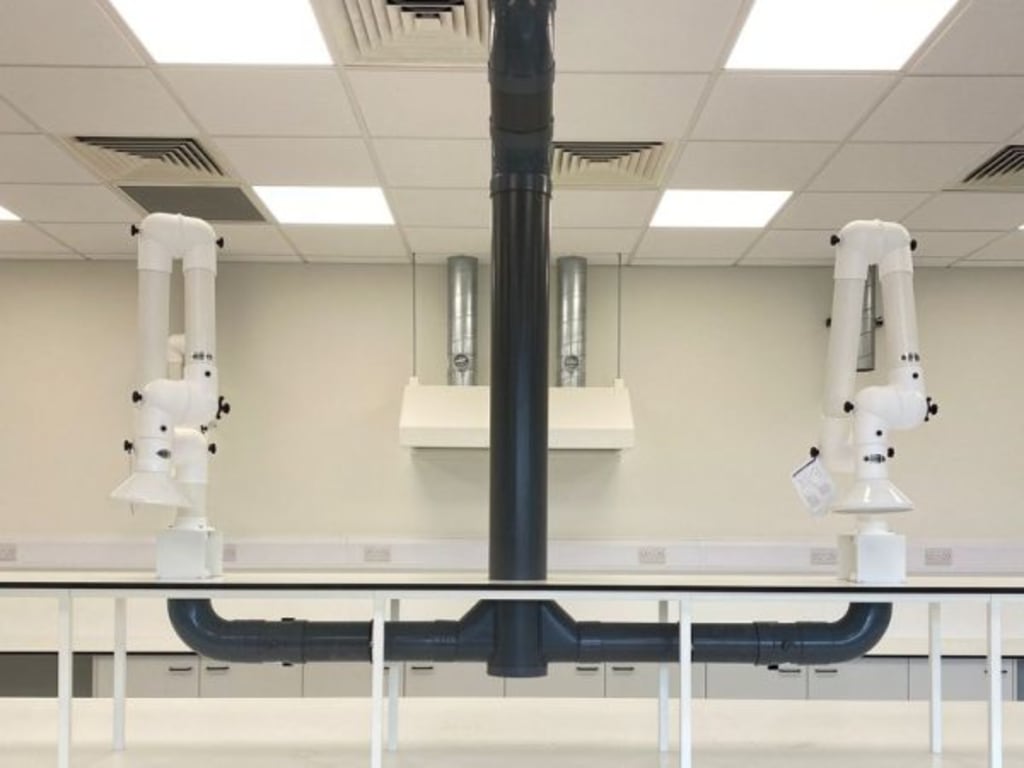
For a long time, I thought uncomfortable air at work was normal.
If you work in labs, workshops, or industrial spaces, you tend not to question it. There’s usually a smell of something. Sometimes dust. Sometimes fumes you can’t quite describe. You notice it most at the end of the day, when your head feels heavier than it should or your throat feels dry for no obvious reason.
Nobody makes a big deal out of it. People joke about it, open a door, maybe switch on a fan, and get on with things. I did the same.
It wasn’t until I spent time in a workplace with proper local exhaust ventilation that I realised how much we had all been putting up with.
How Bad Air Creeps Up on You
One of the biggest issues with airborne hazards is how quietly they settle in. Welding fumes, dust, chemical vapours — they don’t always show themselves straight away. There’s no dramatic moment where everyone suddenly realises something’s wrong.
Instead, it’s gradual.
People get tired more easily. Concentration slips. Someone starts stepping outside more often, without really knowing why. Because it happens slowly, it becomes normal.
Why General Ventilation Isn’t Enough
General ventilation gives a false sense of comfort. Windows open. Air moves. Everyone assumes the problem is solved. But moving air around isn’t the same as removing what shouldn’t be there in the first place.
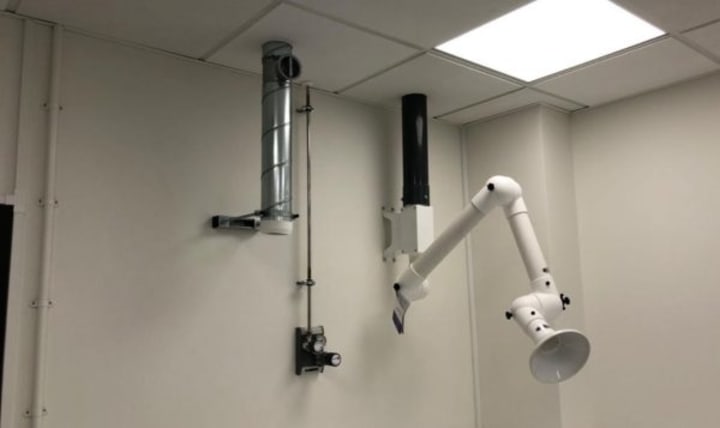
Local exhaust ventilation works because it doesn’t rely on guesswork. It pulls fumes and dust away at the source, before they spread through the space and into people’s lungs. When it’s positioned properly, you feel the difference straight away — even if you don’t consciously think about why.
The Difference Local Exhaust Ventilation Makes
I’ve seen it most clearly in labs. Before, solvent vapours would hang around longer than they should. Nothing extreme, just enough to make the space feel uncomfortable by mid-afternoon. After proper extraction was put in, that heaviness disappeared. People stayed focused longer. Fewer breaks. Less irritation. No one made a fuss about it, but everyone benefited.
That’s the thing about clean air. People don’t praise it. They just work better.
Small Changes, Big Impact
There’s also a trust factor that doesn’t get talked about enough. When employees see that proper ventilation is in place — and actually maintained — it sends a message. It says the business isn’t just doing the bare minimum. It says someone has thought about how the work affects the people doing it.
That matters.
From a legal point of view, controlling exposure to hazardous substances is required. Everyone knows that. But from a human point of view, it’s about making sure people don’t leave work feeling worse than when they arrived.
Installation Isn’t the Whole Story
This is where a lot of places go wrong. They install a system, tick a box, and move on. Months later, no one’s checked airflow. Filters are overdue. Performance has dropped quietly, without anyone noticing. The system was still there, but the protection wasn’t.
Why Maintenance Matters
That’s where ongoing testing and maintenance make all the difference. From what I’ve seen, companies like Ventxlabs Ltd stand out because they don’t treat local exhaust ventilation as a one-time job. The focus is on keeping systems working properly over time, not just installing them and walking away.
Every Workplace Is Different
No two sites are the same. A small workshop doesn’t behave like a manufacturing plant. A lab has completely different risks again. The best systems are the ones designed around how people actually move, work, and use the space — not how it looks on paper.
When it’s done right, the system fades into the background. Nobody complains about it. Nobody talks about it. And that’s exactly the point.
Clean Air Should Be the Standard
From what I’ve seen, clean air shouldn’t be something workers adapt to. It should just be there, quietly doing its job in the background. Once you’ve experienced that kind of environment, it’s hard to accept anything less.
About the Creator
Andrew Mile
Andrew Mile is passionate about technology, wedding planning, and services, crafting insightful content that blends innovation with elegance, making complex topics accessible and weddings unforgettable.
Keep reading
More stories from Andrew Mile and writers in Journal and other communities.
How a Warehouse Mezzanine Floor Solves Space Problems
Most warehouses don’t start with a space problem. They grow into one. At first, everything works. Stock fits. Teams move easily. Processes feel manageable. Then growth creeps in. Orders increase, new lines are added, and temporary solutions quietly become permanent. Before anyone officially calls it an issue, the warehouse feels tighter, slower, and harder to work in.
By Andrew Mileabout 9 hours ago in Journal
The Invisible Hand That Rules
In the heart of the city, there’s a building that no one notices. Its glass walls reflect the sun, its elevators glide silently, and its corridors smell of polished ambition. Decisions are made here that shape millions of lives, yet outside, the city breathes, unaware. The air hums with traffic, the chatter of cafes, the distant wail of sirens, and life moves on as though the building’s influence is nothing more than an echo.
By Jhon smith7 days ago in Journal




Comments
There are no comments for this story
Be the first to respond and start the conversation.