
Hydrogen Fuel Cell Vehicles: $41.9B Market Forecast by 2033
Exploring Market Size, Trends, Regulations, Challenges, and Opportunities for Hydrogen Fuel Cell Vehicles, 2025–2033

Introduction
Imagine a world where vehicles glide silently through bustling cities, emitting nothing but water vapor. Hydrogen fuel cell vehicles (FCVs) are turning this vision into reality, offering a cleaner, sustainable alternative to traditional fossil fuel-powered transportation. As global demand for eco-friendly solutions surges, hydrogen FCVs are gaining momentum, driven by technological advancements, supportive policies, and a collective push toward decarbonization. This blog dives deep into the Hydrogen Fuel Cell Vehicle Market, exploring its size, share, trends, and forecast from 2025 to 2033, with insights into technology, vehicle types, regional dynamics, regulations, challenges, and future opportunities. Whether you're an industry professional, investor, or eco-conscious consumer, this comprehensive guide will illuminate the path forward for hydrogen-powered transportation.
Overview of the Hydrogen Fuel Cell Vehicle Market
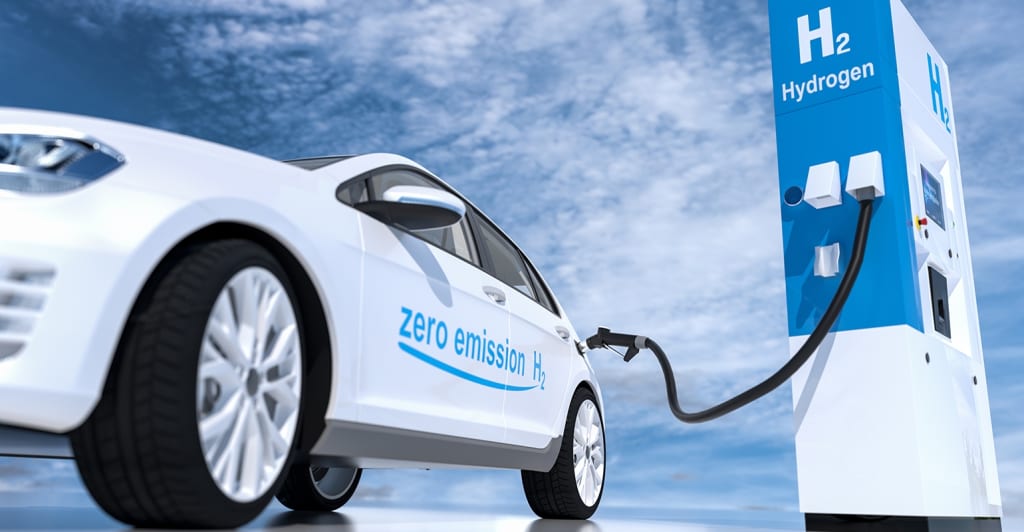
Hydrogen fuel cell vehicles represent a revolutionary leap in automotive technology. Unlike conventional vehicles that rely on gasoline or diesel, FCVs generate electricity through a chemical reaction between hydrogen and oxygen in a fuel cell, producing only water as a byproduct. This zero-emission technology positions FCVs as a cornerstone of sustainable transportation, aligning with global efforts to combat climate change and reduce greenhouse gas emissions.
Key aspects of the hydrogen fuel cell vehicle market include:
- Core Technology: FCVs utilize a fuel cell stack, battery pack, electric traction motor, and hydrogen storage tanks, working in harmony to power the vehicle efficiently.
- Environmental Impact: FCVs produce no tailpipe emissions, making them a critical solution for reducing air pollution in urban areas.
- Market Drivers: Growing environmental awareness, rising fuel prices, and government incentives are accelerating FCV adoption.
- Applications: FCVs span passenger cars, commercial vehicles like buses and trucks, and even specialized vehicles for logistics and public transport.
- Global Reach: Regions like Asia-Pacific, North America, and Europe are leading the charge, with robust investments in hydrogen infrastructure.
The market is poised for exponential growth, fueled by technological innovations and a global shift toward clean energy. As automakers and governments collaborate to expand hydrogen refueling networks, FCVs are becoming a viable option for a wide range of consumers and industries.
Market Size & Growth
The global hydrogen fuel cell vehicle market size was valued at USD 2,381.27 Million in 2024 and is projected to reach USD 41,900.06 Million by 2033, growing at a compound annual growth rate (CAGR) of 36.60% from 2025-2033. This remarkable growth reflects the increasing adoption of FCVs as a sustainable alternative to internal combustion engine vehicles, driven by environmental imperatives and technological advancements.
Key factors contributing to market growth include:
- Rising Demand for Zero-Emission Vehicles: Stringent emission regulations worldwide are pushing automakers to invest in FCVs, which offer a cleaner alternative to traditional vehicles.
- Infrastructure Expansion: Governments are investing heavily in hydrogen refueling stations, with countries like Germany and Japan planning extensive networks by 2030.
- Technological Advancements: Improvements in fuel cell efficiency and durability are making FCVs more cost-competitive and appealing to consumers.
- Commercial Fleet Adoption: Businesses are increasingly adopting FCVs for logistics and public transport, driven by cost savings and sustainability goals.
- Policy Support: Subsidies, tax credits, and research funding are incentivizing both production and consumer adoption of FCVs.
The market’s rapid expansion underscores its potential to reshape the automotive industry, with significant growth expected across passenger and commercial vehicle segments.
Key Trends in the Hydrogen Fuel Cell Vehicle Market
The hydrogen fuel cell vehicle market is evolving rapidly, with several trends shaping its trajectory:
Advancements in Proton Exchange Membrane Fuel Cells (PEMFCs)
Proton exchange membrane fuel cells (PEMFCs) dominate the FCV market with high efficiency, rapid start-up, and versatility among vehicle models. Technology is advancing PEMFC durability using new membranes and catalysts and minimizing dependency on expensive platinum. These improvements reduce manufacturing costs and increase lifetimes, making PEMFCs increasingly attractive to manufacturers. Constant innovations keep PEMFCs the foundation of FCV technology, enhancing performance and cost for mass adoption in green mobility.
Expansion of Hydrogen Refueling Infrastructure
A strong hydrogen refueling infrastructure is necessary for FCV market expansion. Japan, South Korea, and Germany are leading the charge, with plans for thousands of stations by 2030. Government and private investment are speeding up station deployment, increasing convenience. Refueling standardization and targeted urban-highway siting improve consumer confidence. This infrastructure buildout enables increasing FCV demand, alleviates range anxiety, and enables a scalable hydrogen economy, making FCVs a credible alternative to traditional vehicles.
Shift Toward Commercial Vehicles
As passenger FCVs such as the Toyota Mirai and Hyundai Nexo succeed, commercial vehicles—trucks, buses, and delivery vans—are a key growth area. They have long ranges and quick refueling, making them suitable for heavy-duty use. Players such as Nikola and cities rolling out hydrogen buses demonstrate this trend. More stringent emissions regulations drive fleets towards FCVs, providing operational efficiency and regulatory compliance. This movement increases infrastructure and technology, propelling FCV adoption throughout logistics, transit, and freight markets.
Green Hydrogen Production
Green hydrogen, derived from renewable-powered electrolysis, is revolutionizing the FCV market. Decreasing costs for solar and wind power render green hydrogen competitive, increasing FCVs' environmental attractiveness. Large European and Australian projects are ramping up production, lowering carbon intensities. This sustainable fuel appeals to consumers concerned with sustainability and targets global decarbonization efforts. Green hydrogen's versatility also enables industrial applications, solidifying the hydrogen economy and fueling FCV uptake with a cleaner, greener fuel supply.
Collaborative Innovation
Strategic collaborations between carmakers, energy providers, and governments are driving FCV development. Efforts like the Hydrogen Council promote cooperation on fuel cell technology, hydrogen production, and infrastructure. Joint ventures, like those of BMW and Toyota, pool knowledge to improve performance and reduce costs. Government support funds research and deployment, while the industry converges on standards. These collaborations propel innovation, simplify supply chains, and develop a unified ecosystem, making FCVs a mass-market sustainable transport option.
Integration with Smart Mobility
FCVs are increasingly used in smart mobility ecosystems, such as autonomous driving and shared mobility platforms. Zero-emission FCVs fit with sustainable urban transport aspirations. FCVs with connectivity enable ride-sharing and fleet management, maximizing efficiency. Autonomous hydrogen shuttle pilot projects are being tested in cities such as Seoul. The trend adds to the move toward connected, eco-friendly transport, making FCVs an integral part of future mobility solutions, maximizing urban sustainability, as well as user convenience.
These trends highlight the dynamic nature of the FCV market, with innovation and collaboration paving the way for widespread adoption.
Industry Applications
Hydrogen fuel cell vehicles are finding applications across diverse sectors, each leveraging the technology’s unique advantages:
Passenger Cars
Models such as the Toyota Mirai and Hyundai Nexo are favored by environmentally minded buyers looking for zero-emission options to gasoline vehicles. FCVs have ranges of more than 400 miles and refueling times of less than five minutes, competing with conventional vehicles. Increased fuel cell efficiency and streamlined designs make them suitable for daily use. With expanding refueling infrastructure, these cars are now becoming plausible choices, with sustainable mobility that does not sacrifice performance or convenience for environmentally conscious motorists.
Commercial Fleets
Logistics operators are increasingly embracing FCVs for delivery trucks and vans to respond to tight emissions standards and lower operating expenses. Hydrogen's fast refueling and extended range are appropriate for high-mileage fleets. Companies such as DHL and Amazon are testing FCVs, gaining advantage through lower fuel and maintenance costs relative to diesel. Such vehicles guarantee conformity with city low-emission zones, raising sustainability while upholding operational efficiency, spurring wider adoption in the logistics industry as infrastructure grows.
Public Transit
Hydrogen fuel cell buses are revolutionizing city transportation in London and Seoul, providing a greener option to diesel. FCV buses minimize air and noise pollution, making cities more livable. Their 200-mile plus ranges and rapid refueling allow reliable service. Government incentives and climate ambitions propel their deployment, with hundreds already on the road. This transition enables cleaner, healthier cities, making FCVs a backbone of the future public transportation system.
Heavy-Duty Transport
Fuel cell-powered long-haul trucks are becoming an important solution for decarbonizing freight transport. Business entrants such as Nikola and Hyundai are creating models with more than 500-mile ranges, well-suited for interstate routes. FCVs provide rapid refueling over battery-electric trucks, reducing downtime. More stringent emissions regulations internationally drive their adoption. These trucks integrate environmental sustainability with operational efficiency, setting the stage for a greener future in the heavy-duty transport industry, backed by increasing hydrogen infrastructure.
Specialised Vehicles
FCVs are finding increasing acceptance in niche applications such as forklifts, airport ground support, and rail transport. Their zero-emission nature and high efficiency qualify them for indoor and delicate environments. Plug Power provides fuel cells for forklifts in warehouses, while hydrogen trains are on the run in Germany. Quick refueling and stable power output make these cars run low-cost operations and low-emission operations. Increasing applications point to FCVs' adaptability, motivating innovation in various industrial and transportation domains.
The versatility of FCVs makes them a compelling choice for industries aiming to meet sustainability goals while maintaining operational efficiency.
Regulatory Landscape
The regulatory landscape plays a pivotal role in shaping the hydrogen fuel cell vehicle market. Governments worldwide are implementing policies to promote FCV adoption and support infrastructure development:
- Emission Standards: Stringent regulations, such as the EU’s CO2 emission targets and California’s Zero-Emission Vehicle (ZEV) mandate, are driving automakers to prioritize FCVs.
- Subsidies and Incentives: Countries like the U.S., Japan, and South Korea offer tax credits, rebates, and grants to encourage FCV purchases and infrastructure investment.
- Hydrogen Infrastructure Funding: Initiatives like California’s commitment to 100 hydrogen refueling stations by 2025 and Germany’s plan for 1,000 stations by 2030 are bolstering market growth.
- Carbon Reduction Goals: Global commitments to net-zero emissions by 2050 are accelerating the adoption of FCVs as part of broader decarbonization strategies.
- Safety Regulations: Standards for hydrogen storage, transport, and refueling ensure the safe integration of FCVs into the transportation ecosystem.
These regulations create a supportive environment for FCVs, incentivizing innovation and adoption while addressing environmental and safety concerns.
Investment Trends and Funding Opportunities
The hydrogen fuel cell vehicle market is attracting significant investment, driven by its potential to transform transportation:
Government Funding
There is considerable growth in public investments in hydrogen research and infrastructure globally. In 2023, the U.S. Department of Energy pledged $100 million to further hydrogen fuel cell R&D with the focus on increasing efficiency and lowering costs. Governments across the globe are initiating similar schemes, with the European Union and Japan respectively allocating large budgets to hydrogen initiatives. These investments finance refueling station construction, production plants, and advanced research to promote the use of hydrogen as a clean energy solution.
Private Sector Investment
The big automotive companies, such as Toyota, Hyundai, and BMW, are spending billions on fuel cell vehicle (FCV) technology to address increasing demand for zero-emission transport. Meanwhile, energy majors such as Shell and Air Liquide are scaling up hydrogen production and constructing large refueling networks to enable FCV uptake. These investments are geared towards scaling up infrastructure and enhancing technology to make hydrogen a feasible alternative to fossil fuels. Collaborations between energy companies and car manufacturers are powering innovation and market expansion in the hydrogen market.
Venture Capital and Startups
The hydrogen economy is drawing large venture capital, powering innovation through startups such as Nikola and Ballard Power Systems. Nikola is working on hydrogen-powered trucks, whereas Ballard is targeting cutting-edge fuel cell technology for different uses. These firms are raising significant amounts of capital to develop vehicle designs and improve the performance of fuel cells. The flow of capital finances research, pilots, and market entry, putting startups center stage in the fast-changing hydrogen industry, creating competition and innovation.
Global Collaborations
International efforts such as the Hydrogen Council are driving investments across borders to ramp up hydrogen production and distribution. The council, made up of major firms and governments, encourages collaboration to harmonize technologies and policies. Germany, South Korea, and Australia are collaborating on joint initiatives to establish supply chains and exchange expertise. These global initiatives intend to decrease costs, enhance infrastructure, and make a unified world hydrogen market, speeding up the shift to a green energy future through harmonized investment and innovation.
Green Hydrogen Projects
Green hydrogen investments, made from renewable power, are growing as firms focus on sustainability. Hyundai has committed $6.7 billion by 2033 to increase fuel cell output and build green hydrogen ecosystems. Other companies, such as Fortescue and Ørsted, are putting money into large-scale wind and solar-powered electrolysis projects. They want to reduce carbon emissions and respond to global decarbonization initiatives. Green hydrogen's scalability and multiplicity establish it as the cornerstone of next generation energy systems, which is very attractive to strong funding.
These investment trends signal strong confidence in the long-term potential of FCVs, creating opportunities for stakeholders across the value chain.
Emerging Markets and Growth Potential
The hydrogen fuel cell vehicle market is witnessing rapid growth in several regions, each with unique drivers and opportunities:
- Asia-Pacific: Leading the market, Asia-Pacific is driven by Japan, South Korea, and China. Japan’s advanced fuel cell technology and South Korea’s ambitious hydrogen roadmap, including Hyundai’s $6.7 billion investment, are key growth catalysts. China’s 14th Five-Year Plan emphasizes hydrogen as a strategic priority, targeting 5,000 FCVs by 2025.
- North America: The U.S. dominates the North American market, with California leading through its ZEV mandate and hydrogen refueling investments. Canada and Mexico are also emerging as growth hubs, supported by government incentives.
- Europe: Europe is a fast-growing market, with Germany, France, and the UK investing heavily in hydrogen infrastructure. The EU’s Green Deal and initiatives like the PAN-European project to deploy 180 FCVs in taxi and police fleets are driving adoption.
- Emerging Economies: India and Africa are poised for significant growth, with India’s National Green Hydrogen Mission targeting 5 million metric tons of green hydrogen annually. These regions offer untapped potential due to rising environmental awareness and government support.
The global spread of FCV adoption highlights the market’s scalability and its role in addressing regional sustainability challenges.
Partnerships and Collaborations in the Industry
Collaboration is a cornerstone of the hydrogen fuel cell vehicle market, driving innovation and market expansion:
Automaker Alliances
Strategic collaborations like that of BMW and Toyota are leading to the creation of hydrogen-powered passenger cars. Through resource pooling, these manufacturers exchange knowledge in fuel cell technology and vehicle integration, ushering in faster innovation. Their collaboration aims to enhance performance, lower costs, and increase production to popularize hydrogen vehicles. Alliances also make standardized components possible, promoting a competitive industry. These partnerships are critical to pushing hydrogen as a sustainable mobility option.
Industry-Government Partnerships
The Hydrogen Council is a shining example of effective industry-government collaboration, bringing together automakers, energy companies, and policymakers in coordination of hydrogen strategies. The international effort encourages collaborative investments, regulatory policies, and infrastructure development. Governments offer finance and incentives, while companies bring in technological know-how. For example, the EU and Japan fund joint ventures to develop refueling stations and production capacity. Such collaborations provide a coordinated strategy, lowering adoption hurdles and supporting a healthy hydrogen ecosystem essential for global decarbonization.
Cross-Sector Partnerships
Companies such as Shell and Air Liquide are joining hands with carmakers to develop seamless hydrogen refueling networks, crossing production and automobile usage. These partnerships facilitate secure fuel supply for fuel cell cars, addressing the infrastructure issue. By leveraging their energy knowledge and carmakers' innovation, partners conceive efficient distribution systems and common refueling practices. These cross-industry initiatives raise customer confidence and scalability, making it possible to integrate hydrogen technology into transportation smoothly, leading to mass adoption and market expansion.
OEM-Supplier Synergies
Original equipment manufacturers (OEMs) depend on suppliers such as Ballard Power Systems, which offers leading-edge fuel cell stacks to carmakers. Such synergies promote innovation in vehicle form, with improved performance and efficiency. Suppliers concentrate on producing small, robust, and affordable parts, and OEMs assemble them into automobiles. Close teamwork produces customized solutions that address market needs. Such cooperation stimulates quick technology changes, allowing automakers to provide good-quality hydrogen vehicles and making the supply chain for the hydrogen economy more robust.
Research Consortia
Consortia are established by universities, research centers, and industry players to develop fuel cell technology, focusing on cost reduction and efficiency. These partnerships join theoretical knowledge with commercial capabilities to address technical hurdles, including catalyst design and membrane longevity. Many projects are government funded, gaining greater influence. Sharing results speeds up innovation and standardization, keeping hydrogen technologies commercially competitive. These initiatives pave the way for future fuel cells, pushing society toward a low-carbon energy future.
These partnerships are critical for overcoming infrastructure and cost barriers, paving the way for mainstream FCV adoption.
Challenges in the Hydrogen Fuel Cell Vehicle Market
Despite its promise, the hydrogen fuel cell vehicle market faces several challenges:
- Limited Refueling Infrastructure: The scarcity of hydrogen refueling stations in many regions limits consumer adoption, particularly outside urban areas.
- High Vehicle Costs: FCVs remain expensive due to the cost of fuel cell systems and hydrogen storage, making them less accessible to the average consumer.
- Hydrogen Production Costs: While green hydrogen is gaining traction, production remains costly, impacting the overall affordability of FCVs.
- Safety Concerns: Hydrogen’s flammability requires stringent safety protocols, which can complicate infrastructure development and public perception.
- Competition from Battery Electric Vehicles (BEVs): BEVs currently dominate the zero-emission vehicle market, posing a competitive challenge to FCVs due to their established infrastructure and lower costs.
- Supply Chain Constraints: The reliance on rare materials like platinum for fuel cells creates supply chain vulnerabilities, driving up costs.
Addressing these challenges requires coordinated efforts from governments, industry players, and researchers to scale infrastructure, reduce costs, and enhance public trust.
Future Opportunities
The hydrogen fuel cell vehicle market is brimming with opportunities that promise to shape the future of transportation:
Infrastructure Expansion
Ongoing investment in hydrogen refueling stations is essential to making fuel cell vehicles (FCVs) more mainstream, particularly in the emerging markets. Governments and private companies are investing in networks in geographies such as Asia and Africa, where demand is increasing. There are planned thousands of new stations globally by 2030, mitigating range anxiety for customers. Strategic locations in urban and highway corridors provide convenience, propelling FCV uptake and enabling the development of a thriving hydrogen economy.
Cost Cutting
Technological developments like better catalysts and membranes in fuel cell technology are reducing FCV production costs. Economies of scale from mass manufacturing and standardized parts add to lower prices. The cost of hydrogen is also decreasing with optimized electrolysis and bulk buying. Such decreases put FCVs on par with conventional vehicles, appealing to a wider market base. Prices are expected to see substantial parity by the year 2030, with an increased pace of market entry and widespread adoption of hydrogen fuel transport.
Green Hydrogen Innovation
Large-scale production of green hydrogen, based on renewable power sources such as solar and wind, increases the environmental advantage of FCVs. Improvements in electrolysis efficiency and integration with renewable energy lower costs and carbon emissions. Initiatives such as Europe's gigawatt-scale electrolyzers are setting a global standard. This climate-friendly fuel gains traction among green-minded customers, fueling FCV demand. Green hydrogen's diversity also enables industrial uses, generating a clean energy circle and long-term hydrogen market growth.
Commercial Uses
FCVs are catching on in heavy-duty transportation, logistics, and public transit, where their extended range and rapid refueling provide benefits. Tighter emissions standards worldwide are forcing fleets into zero-emission technology. Nikola is putting hydrogen trucks into operation, with cities embracing fuel cell buses. These uses prove reliability and scalability, encouraging investment. Commercialization's growth potential is high, as it fuels infrastructure growth and technology development, creating benefits for the greater FCV market.
Policy Support
Government support, including subsidies for FCV acquisition and refueling stations, is driving hydrogen uptake. International climate agreements, such as the Paris Agreement, promote policies supporting clean energy. Governments like Germany and South Korea provide tax relief and financing support for hydrogen initiatives. These policies foster an attractive market setting, triggering private sector investment and innovation. Robust policy frameworks guarantee sustained growth, aligning hydrogen development with international sustainability objectives and promoting mass deployment of FCVs.
Integration with Renewable Energy
FCVs can be powered by surplus renewable energy to produce hydrogen using electrolysis, improving grid stability and sustainability. Excess wind or sunlight energy during peak renewable generation can be converted to hydrogen, balancing demand and supply. This synergy aids decarbonization by optimally utilizing renewable energy. Denmark and Australia-based projects illustrate this synergy by fueling FCVs with clean hydrogen. Such a system enhances energy resilience, decreases fossil fuel dependency, and encourages a circular, sustainable energy economy.
These opportunities position FCVs as a key player in the global transition to clean energy, with the potential to transform transportation across sectors.
Conclusion
Hydrogen fuel cell vehicles are at the forefront of the sustainable transportation revolution, offering a zero-emission alternative that aligns with global climate goals. With a projected market size of USD 41,900.06 million by 2033, the FCV market is poised for explosive growth, driven by technological advancements, expanding infrastructure, and supportive policies. While challenges like high costs and limited refueling networks persist, the industry’s collaborative spirit and innovation are paving the way for a brighter future. From passenger cars to heavy-duty trucks, FCVs are reshaping mobility, offering a cleaner, greener path forward. As investments pour in and consumer awareness grows, hydrogen fuel cell vehicles are set to play a pivotal role in decarbonizing transportation, making them a compelling choice for a sustainable tomorrow.
About the Creator
Andrew Sullivan
Hello, I’m Andrew Sullivan. I have over 9+ years of experience as a market research specialist.
Keep reading
More stories from Andrew Sullivan and writers in Journal and other communities.
PVC Panel Manufacturing Plant: Setup Cost, Machinery, and Business Plan
Setting up a PVC panel production facility involves a sequence of planned stages, each requiring technical accuracy and financial investment. PVC panels are popular in modern construction for their lightweight, durability, and decorative versatility. To meet market demand and ensure profitable operations, investors and entrepreneurs must understand the cost structure associated with setting up such a facility. This overview provides insight into the capital investment, machinery costs, operating expenses, and a complete perspective on the overall setup cost.
By Andrew Sullivan7 months ago in Journal
How Self Locking Nuts Keep Your Equipment Secure Under Pressure
In industries where safety, performance, and reliability are paramount, the fastening solutions used to secure machinery and components must be able to withstand extreme conditions. Whether in high-vibration environments, aerospace, or heavy-duty machinery, fasteners play a critical role in maintaining the integrity of complex systems. Among the most reliable fasteners available today are self-locking nuts, designed to secure bolts and other fastenings under extreme pressure and vibration. But how exactly manufacturers like SPS Industrial Inc do these nuts keep equipment secure, and why are they essential in certain industries?
By Beckett Dowhan7 days ago in Journal



Comments
There are no comments for this story
Be the first to respond and start the conversation.