
How Zambia’s Political Climate Affects Business and Foreign Investment
Zambia’s Political Climate
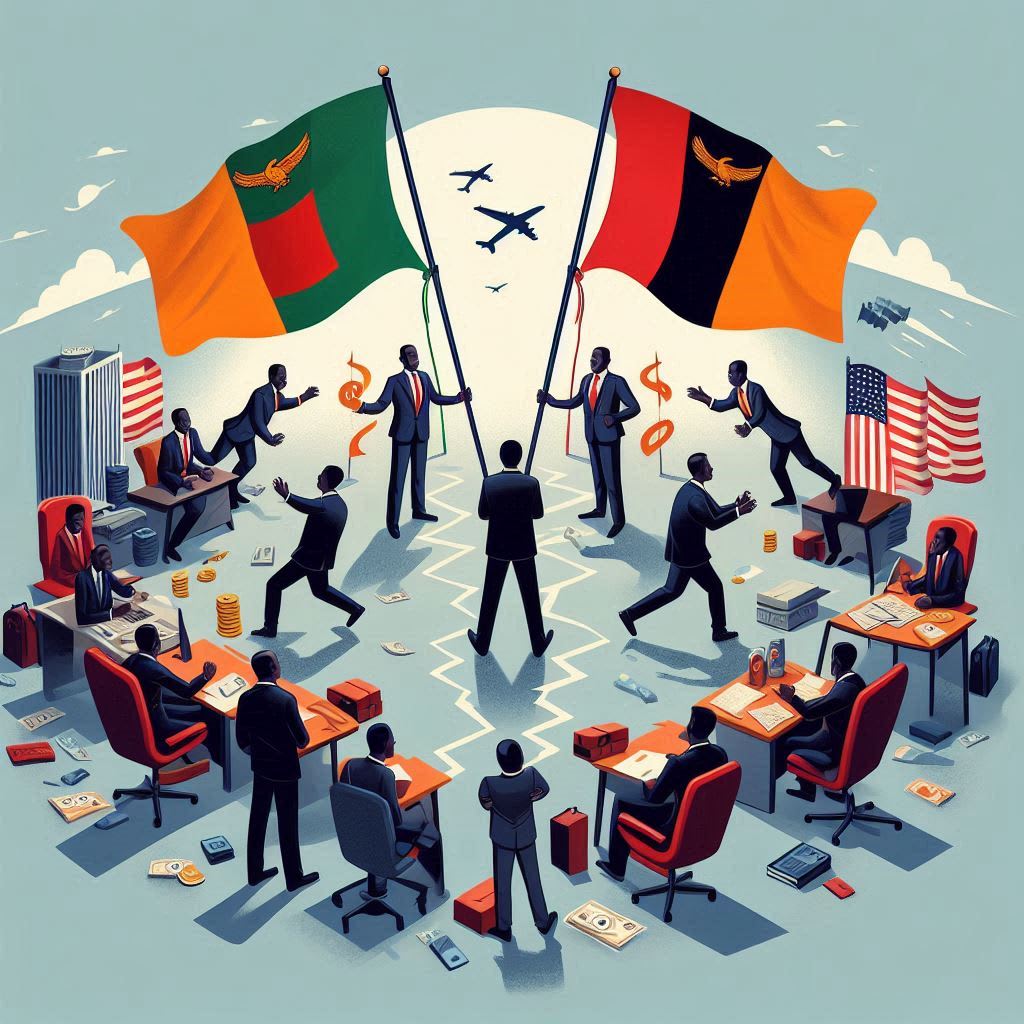
Zambia, a landlocked country in Southern Africa, has long been recognized for its potential as an emerging market in the region. With its vast natural resources, a growing population, and an increasing focus on infrastructure development, Zambia is seen as an attractive destination for foreign investment. However, like many countries, Zambia’s political climate plays a significant role in shaping the business environment and influencing foreign investment decisions.
In this blog, we will examine how Zambia’s political climate affects business operations, foreign investment, and economic growth. We’ll explore the opportunities and challenges presented by the political landscape and offer insights into what businesses and investors should consider when navigating Zambia’s evolving political environment.
Zambia’s Political Landscape: A Brief Overview
Zambia has a multi-party political system and a history of peaceful transitions of power, particularly in recent years. The country’s democracy has been largely stable since its shift to a multi-party system in 1991. However, political volatility has occasionally surfaced, particularly during election periods, with political parties vying for influence over the country’s key resources and infrastructure.
Zambia’s most recent elections in 2021 marked a historic transition of power, with Hakainde Hichilema of the United Party for National Development (UPND) defeating the incumbent Edgar Lungu of the Patriotic Front (PF). This peaceful transition of power was praised both domestically and internationally and raised hopes for more inclusive governance and improved business conditions. Nevertheless, Zambia’s political climate remains fluid, and each change in leadership can influence economic policies and regulatory frameworks.
Political Stability: A Key Factor for Business Confidence
Political stability is one of the most critical factors for fostering an attractive business environment. Foreign investors are drawn to countries with stable governments, transparent regulatory frameworks, and a clear legal structure. Zambia’s reputation for peaceful transitions of power has been a strength for its business environment, especially compared to some of its neighbors in the region.
However, political uncertainty can create risk for businesses and investors. In Zambia, shifts in government or party power can lead to policy changes that affect taxation, foreign exchange regulations, and investment incentives. For example, when President Hichilema took office in 2021, his administration prioritized economic reforms and fiscal consolidation, including addressing Zambia’s rising public debt and working toward debt restructuring. Such shifts may require businesses to adapt to new regulations or fiscal policies, influencing their long-term strategies.
In particular, businesses in industries such as mining, agriculture, and energy are especially sensitive to changes in the political environment, as these sectors are highly influenced by government policies on resource extraction, land use, and investment incentives.
Impact of Government Policies on Business and Foreign Investment
Government policies play a pivotal role in shaping Zambia’s economic landscape, and any changes in leadership can trigger shifts in these policies. The business community in Zambia has had to adapt to various policies over the years, and the government’s approach to issues like taxation, infrastructure development, and foreign ownership often dictates the flow of investment.
Taxation and Regulatory Environment: Zambia’s taxation policies are one of the primary concerns for businesses, both local and foreign. During the past decade, there have been fluctuations in tax rates and changes in regulations that have made it challenging for companies to navigate the legal environment. For example, the introduction of higher corporate taxes under certain administrations can discourage investment, while more favorable tax breaks and incentives can attract foreign capital.
Since the 2021 elections, the new administration has expressed a commitment to creating a more business-friendly environment by reducing the corporate tax rate and offering more incentives to businesses. However, the long-term effect of these policies remains to be seen, as their implementation will depend on political will and the broader economic context.
Land Ownership and Resource Management: Land ownership and resource extraction rights are also key issues for businesses in Zambia. The mining industry, which is one of Zambia’s most significant foreign exchange earners, is often at the center of political debate. Previous administrations have been criticized for inconsistencies in their approach to foreign mining companies, such as sudden tax hikes or the imposition of new mining laws. These decisions can cause uncertainty and may discourage further investment.
In contrast, the new administration has signaled its intent to prioritize investments in sustainable industries and introduce more transparent governance in natural resource management. This shift has the potential to provide long-term stability for investors, especially in the mining and energy sectors.
Political Risk: The Challenge for Foreign Investors
While Zambia remains an attractive investment destination, political risks still exist. Investors must weigh the risks of political instability, policy changes, and potential regulatory hurdles when making decisions about entering the Zambian market.
Election Periods: Zambia’s election periods are particularly sensitive times for businesses. Election campaigns often involve heated political rhetoric, protests, and in some cases, political violence, all of which can disrupt business operations. In recent years, the lead-up to elections has seen increased political tension, which can affect consumer confidence, disrupt trade, and increase the cost of doing business.
Additionally, during periods of political transition, businesses may face delays in permits, licenses, and approvals as new administrations review existing policies. In the 2021 elections, for example, businesses experienced delays in decision-making as the newly elected government took time to settle into office and review policy direction.
Corruption and Governance Issues: Corruption remains a challenge for many countries in Africa, and Zambia is no exception. While the country has made efforts to combat corruption through institutions like the Anti-Corruption Commission, there are still instances where corruption and opaque government practices hinder the ease of doing business.
Foreign investors often need to engage with local stakeholders to navigate the political landscape and reduce the risk of corruption. Companies may find it challenging to secure permits or licenses unless they are familiar with the political networks and governance structures in place.
How Businesses Can Navigate Zambia’s Political Climate
Given the complexities of Zambia’s political environment, businesses and investors need to take a proactive approach to mitigate risks and maximize opportunities. Here are some strategies for navigating Zambia’s political landscape:
Stay Informed: Keeping up to date with political developments, government policies, and regulatory changes is crucial. Understanding how new policies affect business operations can help companies plan ahead and make informed decisions.
Engage with Local Partners: Partnering with local businesses, stakeholders, and consultants can help foreign investors navigate the political and regulatory landscape more effectively. Local partners can provide insights into the political climate, offer guidance on government relations, and help businesses connect with key decision-makers.
Diversify Investments: Diversifying investments across multiple sectors or regions within Zambia can help mitigate political risk. By spreading investments across industries such as agriculture, energy, and technology, companies can reduce their exposure to changes in government policies specific to one sector.
Advocate for Policy Reform: Engaging with business advocacy groups and participating in public discussions on policy reform can help shape Zambia’s political environment in favor of business development. Collaboration between the private sector and government is essential for creating a favorable investment climate.
Conclusion: The Future of Business and Foreign Investment in Zambia
Zambia’s political climate undoubtedly influences business operations and foreign investment, and it is essential for companies to remain adaptable and informed. The peaceful transition of power in 2021 was a positive sign for Zambia’s political stability, but challenges such as policy shifts, taxation, and corruption still exist.
With the right strategies in place, businesses can capitalize on Zambia’s growing economy, abundant natural resources, and investment opportunities. By carefully navigating the political climate and building strong local relationships, businesses and investors can unlock Zambia’s potential as a key player in Africa’s economic future.
About the Creator
Mutale Ngoma
Passionate about politics and staying informed on global events. I enjoy discussing current affairs, exploring different perspectives, and staying updated on the latest news shaping the world.
Keep reading
More stories from Mutale Ngoma and writers in Journal and other communities.
A Day in the Life: Exploring Rural Communities in Zambia
Zambia is known for its breathtaking landscapes, iconic wildlife, and vibrant cities, but it’s in the rural communities where you can truly feel the heartbeat of the nation. These communities offer a glimpse into traditional Zambian lifestyles, customs, and daily routines that have remained unchanged for generations. Spending a day in rural Zambia is a chance to step back in time and experience life at a slower, more connected pace. Let’s walk through a typical day in a rural Zambian village.
By Mutale Ngomaabout a year ago in Journal
How Technology Is Redefining Real Estate
The real estate industry has long been considered traditional, slow-moving, and heavily dependent on manual processes. Buying, selling, renting, or managing property often involved paperwork, middlemen, and long waiting periods. However, the digital age has brought a dramatic shift. Today, technology is not just supporting real estate—it is transforming it from the ground up.
By darrendemers122 days ago in Journal




Comments
There are no comments for this story
Be the first to respond and start the conversation.