
How women in hijabs changed the fashion world
and which Muslim trends have conquered the world

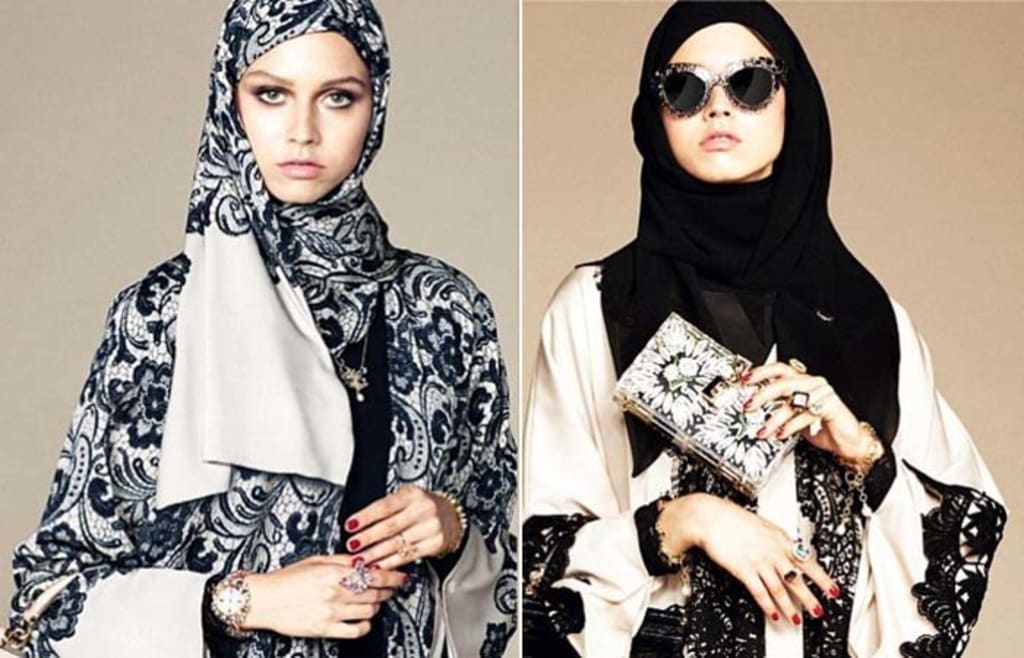
It's unlikely anyone could have predicted that Muslim women, due to the specifics of their religion, would venture into the fashion industry. However, some models and fashion influencers have proven that religion doesn't prevent them from not only looking stylish and modern, but also influencing public tastes and fashion trends. This article will discuss these Muslim women who are breaking the mold and surprising their fans with their stylish choices.
Halima Aden: The top model may be Muslim
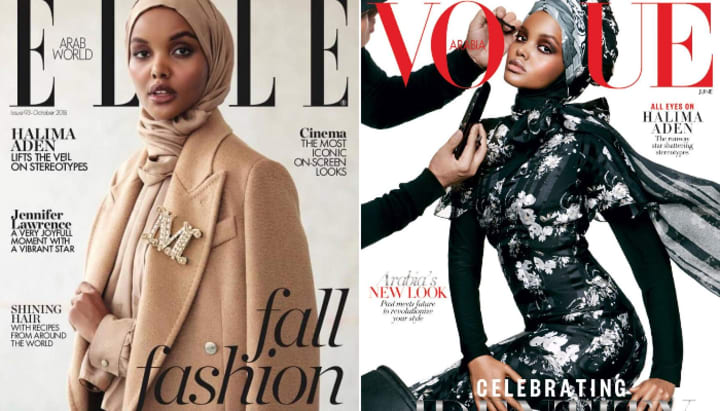
Halima's childhood was difficult her parents lived in Somalia, but in the mid-1990s, a brutal war broke out, so Aden's mother fled to Kenya, and her father went to war. Halima was born in a refugee camp and was forced to move frequently. Money was desperately short, so her mother built shelters out of bottles and trash, which soon collapsed due to the weather. When Halima was six, she moved to Minnesota, USA, with her mother and brother. Tough kids at middle school often teased her for wearing a hijab. They called her a terrorist and believed Aden never washed her hair.
When Halima was 19, she competed in the Miss Minnesota beauty pageant, where she was the only contestant to appear before the judges wearing a hijab and a full-body Muslim swimsuit. She was spotted by a scout from the world-renowned modeling agency IMG Models and offered a partnership. Early in her career, Aden decided that modeling should never violate the principles of her faith, so she included the rules she would adhere to in her contract. Surprisingly, many photographers, stylists, and designers were accommodating. Thus, Halima proved to herself and others that people don't have to change if they don't want to. On the contrary, they should change the world around them.
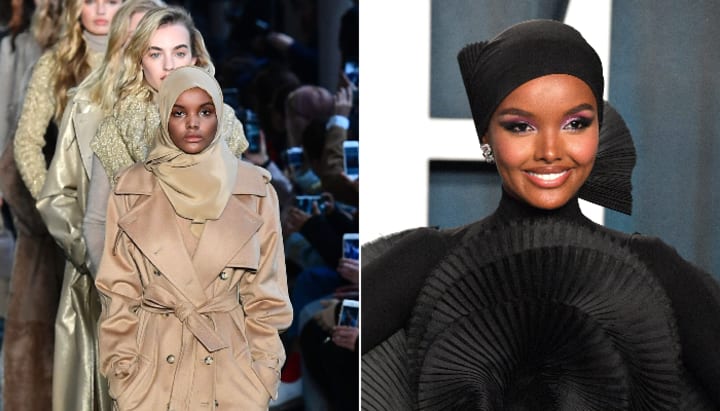
In just two years, she's collaborated with renowned brands like Max Mara and Yeezy, walked in numerous fashion shows, and appeared on the covers of British Vogue and American Sports Illustrated. Her latest collaboration was a surprise for both fans and magazine readers, as the magazine typically features only topless models. However, Halima stuck to her principles, appearing in the photo wearing her signature hijab.
Aden revolutionized the world of fashion and modeling, as before her, agencies and designers had dismissed Muslim women, citing potential difficulties in collaboration. Halima has made the fashion industry much more inclusive and demonstrated by her example that there's a place in fashion for every woman, regardless of their religion or ethnicity. The young woman also demonstrated to the public that models don't have to expose themselves or compromise their principles to attract the attention of global brands and the public; they can look truly vibrant, stylish, and attractive; and express their individuality and beauty. Halima earned the love and admiration of thousands of Muslim women and instilled in them the belief that a strong personality knows no bounds.
Muslim fashion bloggers are setting trends
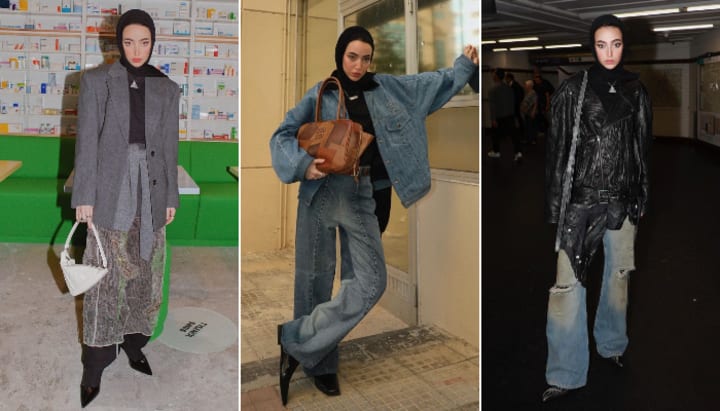
Lina Al-Houthi is deservedly considered one of the most stylish Muslim women. She maintains her own Instagram blog, where she posts numerous vibrant, interesting looks and creates aesthetically pleasing short videos showing her step-by-step process for creating her looks. Lina has nearly 300,000 followers on social media, but they aren't the only ones who admire her exquisite taste and sense of style. The influencer's work has caught the attention of many fashion houses, making Lina a frequent guest at fashion shows for brands such as Burberry, Louis Vuitton, Dior, and others.
Lina styles the latest releases from renowned brands with basics, and often opts for masculine oversized pieces, which she pairs with more feminine clothing. Al-Houthi's results are stunning, eye-catching, and once again prove that traditional Muslim clothing can look harmonious when paired with contemporary fashion trends. The girl also tried her hand at design and, together with her brother, founded a street-style clothing brand called Stacks, which is popular among Lina's fans and perfectly reflects her creative nature.
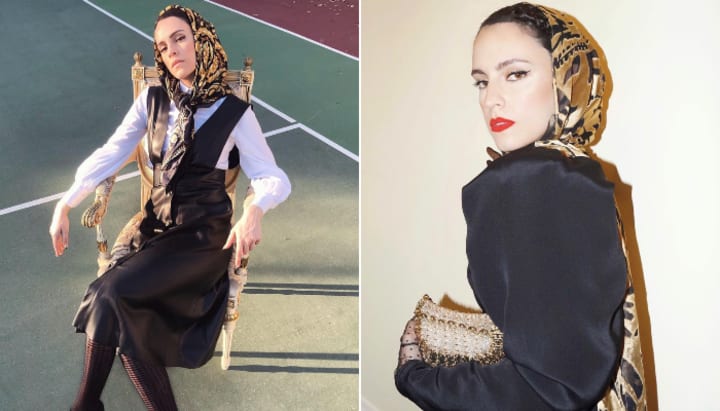
Another stylish Muslim blogger, Marwa Biltagi, has been surprising her fans with stylish looks and an unconventional fashion vision for several years now. She admits that she doesn't chase trends because she understands that not all of them can be incorporated into looks without violating the commandments of Islam. She also believes that every woman should find her own unique style, as blindly following fashion trends isn't always beneficial.
Marwa shows her followers how to incorporate Muslim head coverings to add femininity and sophistication to an outfit. She often adds a bold accent to her makeup, for example, with red lipstick for evening makeup. She boldly styles leather leggings and closed-toe high heels to balance out her look, creating a bold yet modest and understated appearance.
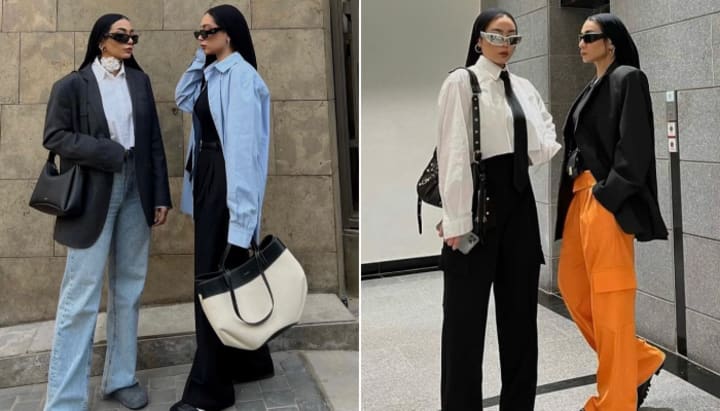
Suzanne and Nesma Kadri are rightfully considered the most stylish Muslim sisters in the blogging community. They boast an audience of nearly 200,000 subscribers. They wear not only hijabs and scarves, but also caps, Panama hats, and wide-brimmed hats. They expertly select trendy accessories for their looks, adding subtle accents. Their looks are incredibly diverse – they look equally stylish in oversized sporty pieces and feminine maxi skirts and dresses. They seamlessly pair chunky shoes with more refined pieces that accentuate their figure. Their signature style is sunglasses in a variety of frames, which add a touch of sophistication to their looks.
Generation M as a fashion phenomenon
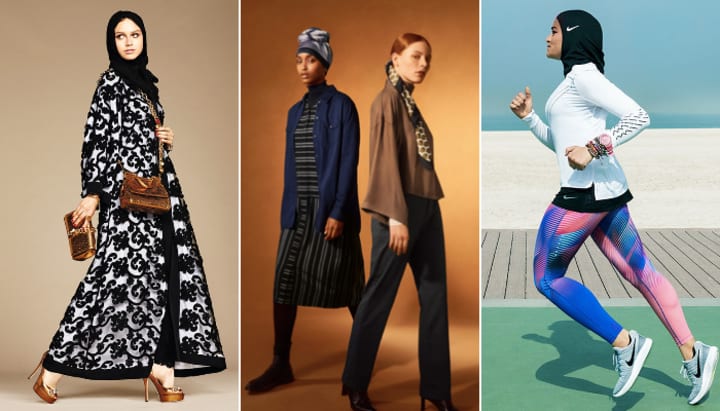
The term "Generation M" was coined by British writer Shelina Janmohamed. She defines it as Muslims born in the last 30 years who promote the idea that modern fashion and religion can coexist without violating each other's boundaries. These people oppose the objectification of the female body not only because of their faith, but also because of their unique attitude toward human beauty. They believe beauty shouldn't be garish or flaunted, but it can and should be emphasized through clothing, accessories, and makeup.
Thanks to this trend, more and more fashion houses and brands in the middle market have begun to address their audience's desire for stylish, elegant, and modest pieces. For example, in the mid-2010s, a brand called Modanisa, a counterpart to the world-famous H&M, was founded, creating clothing for people who share the attitudes of Generation M. Brands like DKNY, Celine, Uniqlo, Dolce & Gabbana, and many others began releasing collections featuring discreet garments that completely cover the body, except for the feet and hands. Each brand, however, remained true to its own style.
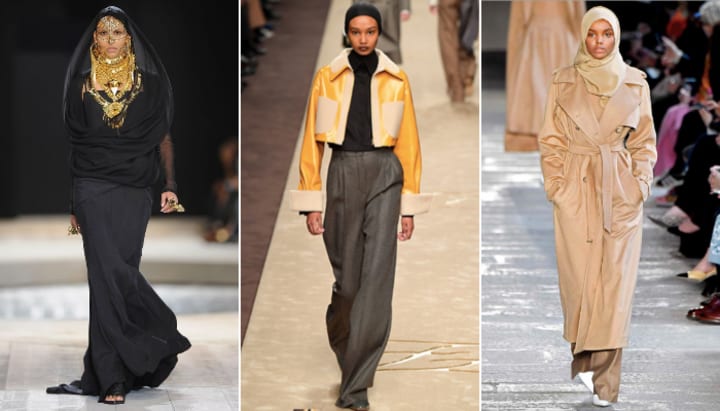
It's noteworthy that in recent years, international designers have been presenting garments at Haute Couture Week that fully adhere to the principles of modest fashion. Moreover, such collections are created by brands that don't position themselves as representatives of modest fashion. Muslim models are increasingly appearing on the catwalk, demonstrating that their work seamlessly coexists with their religious beliefs.
Modest fashion has ceased to be associated with religion, as it's now common to see representatives of various races and religions on the street wearing revealing clothing, each styled in their own unique way. Generation M also believes that religious women have become more socially active, as many of them strive to build successful careers or obtain an excellent higher education. They are not prepared to sacrifice a truly striking appearance, so modern modest fashion offers them a wide range of options in various price ranges.
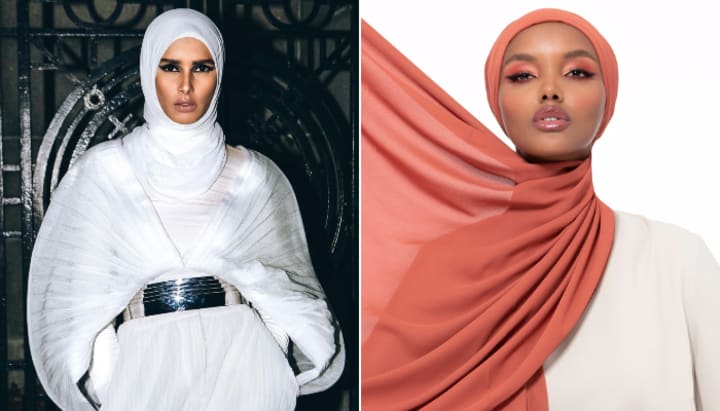
For many years, women wearing hijabs, like the garment itself, have been the subject of heated debate. Some consider the hijab a symbol of the oppression of Muslim women, while others see it as a genuine challenge to society. Thanks to activists, women and girls can now wear the hijab not only in Muslim countries, but also in Europe and America. Now they no longer have to face judgmental glances from passersby or fear prohibitions from societies with different mentalities. Today, the hijab is also attracting the interest of global fashion brands, which are attempting to integrate it into their collections.
About the Creator
Velma Martinez
Velma Martinez is a seasoned marketing manager based in Brooklyn, currently leading brand strategy and digital marketing efforts at Tiny Footprint Coffee.
Keep reading
More stories from Velma Martinez and writers in Journal and other communities.
How to choose good coffee beans
Everyone's relationship with coffee is different. Some brew only on weekends and holidays, others can't wake up without coffee and start every morning with a cup of the aromatic beverage, while for others, coffee is a way of life and they're inseparable from a glass all day.
By Velma Martinez4 months ago in Journal
The goals I did not achieve
Every writing goal I made for the year is a wash. It has been this way for a while, but I think it's important to be open about my failures and the reality of how life can get in the way. This is especially true considering the several times I have posted on Vocal about my writing goals, how I was changing my approach, and where I was hoping to be for the upcoming year. I will probably do that again in a couple months, but for now, it is time to acknowledge where I am today.
By Kay Husnick22 days ago in Journal
Which Tasks Benefit Most From a 1080p Desktop Monitor?
Screens guide how people work, learn, and relax every day. A clear screen reduces eye stress and keeps the mind fresh. Recent data show that 1920×1080 (Full HD) remains the most common desktop screen resolution worldwide, with a share of around 20 to 22 percent of all desktop displays in 2025.
By Gabriella Browne3 days ago in Journal


Comments
There are no comments for this story
Be the first to respond and start the conversation.