
How to Start Facebook Marketplace Dropshipping in 2025
A Beginner’s Guide to Building a Profitable Online Business

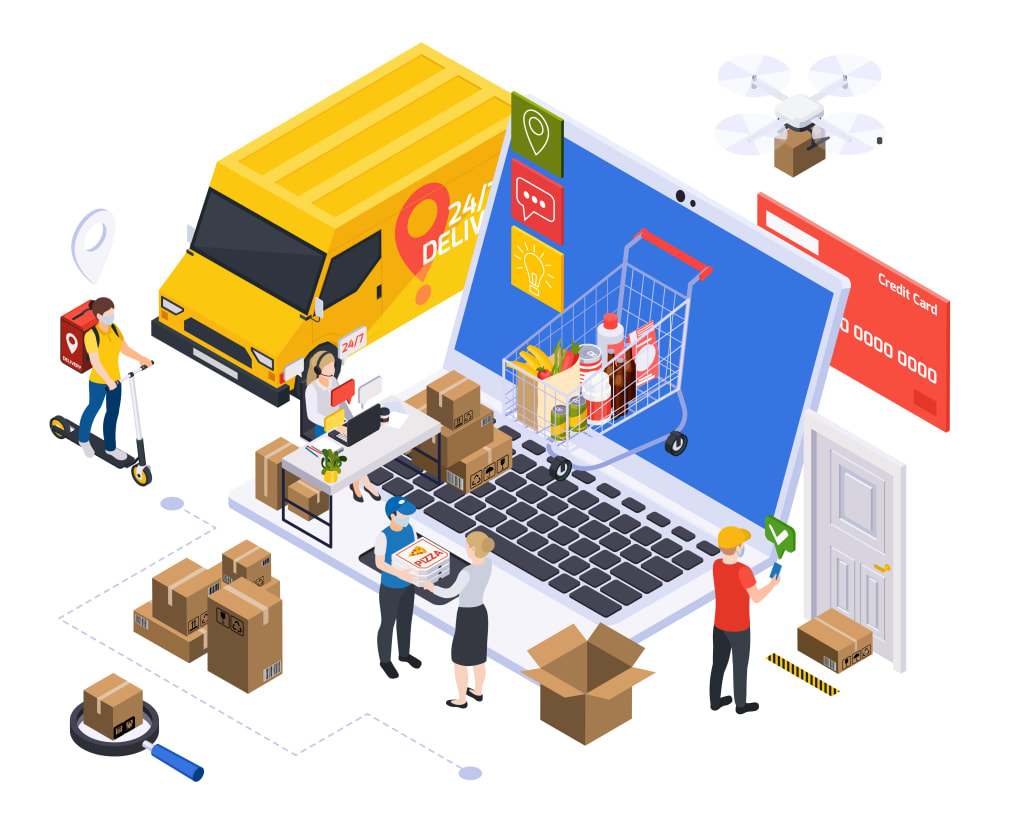
The eCommerce landscape has evolved rapidly in the past few years, and one platform that’s gained surprising traction in this space is Facebook Marketplace. Originally created for peer-to-peer local sales, it has now become a legitimate space for entrepreneurs and small business owners to sell products on a national scale.
Among the many ways to profit from Facebook Marketplace, dropshipping has emerged as a particularly attractive option. It allows you to sell products without holding inventory, investing in warehousing, or even running a traditional online store. Instead, you list items on Facebook, and when a customer buys, a third-party supplier ships the item directly to them.
Whether you're looking to build your first eCommerce business or add another income stream, this guide will help you understand how Facebook Marketplace dropshipping works, how to get started, and what you need to know to succeed in 2025.
What Is Facebook Marketplace Dropshipping?
At its simplest, dropshipping is a business model where you act as a middleman between a customer and a supplier. You don’t keep the products yourself. Instead, when someone buys from you, you order the item from a third party who ships it directly to the customer.
On Facebook Marketplace, this model becomes particularly powerful. You can create product listings visible to Facebook users across the country sometimes even globally without needing to set up a website or spend money on advertising.
Here's how it typically works:
- You find a product from a supplier (like Walmart, Amazon, or a dropshipping platform).
- You list that product on your Facebook Marketplace account at a marked-up price.
- A customer buys the item, and you receive payment.
- You order the item from your supplier using the customer’s shipping details.
- The supplier ships the product directly to the buyer.
- You keep the profit, which is the difference between what the customer paid and what you paid the supplier.
This streamlined process is attractive to many aspiring entrepreneurs because of its low startup cost and the ability to run it from anywhere.
Why Facebook Marketplace for Dropshipping?
There are plenty of eCommerce platforms out there—Shopify, Amazon, eBay, to name a few—but Facebook Marketplace offers some unique benefits, especially for new sellers.
Built-In Traffic
Facebook has over 2 billion users, and Marketplace listings are organically shown to local and national users without needing to pay for exposure. You don’t need to run ads or build a customer base from scratch—your products are immediately visible to people already shopping.
No Website Required
Unlike other platforms, Facebook Marketplace doesn’t require you to build or maintain a storefront. The platform itself handles the user interface, payment options, and customer communication, keeping the learning curve low.
Personalized Shopping Experience
Facebook’s algorithm helps users see relevant products based on their browsing behavior and interests. If you list a product that matches a user’s recent searches, it’s likely to appear in their feed—an advantage for organic discovery.
Low Barrier to Entry
With little to no upfront cost, almost anyone can get started. All you need is a Facebook account, a product source, and a little time to set up your listings.
How to Start Dropshipping on Facebook Marketplace
Step 1: Choose a Reliable Supplier
Success in dropshipping starts with choosing the right supplier. Whether you’re using retail sources like Walmart or Home Depot, or working with dedicated dropshipping platforms like CJdropshipping or AliExpress, make sure the supplier is reliable, ships quickly, and offers good customer service.
Many sellers in the U.S. prefer domestic suppliers because faster shipping means happier customers and fewer complaints.
Step 2: Research Products That Sell
Product research is critical. Look for items that are in demand, competitively priced, and not easily found in local stores. Categories that often do well on Facebook Marketplace include:
- Home and kitchen products
- Fitness accessories
- Pet supplies
- Automotive tools
- Everyday household gadgets
Make sure the product can be shipped easily, isn’t fragile, and complies with Facebook's commerce policies.
Step 3: Create Compelling Listings
When you’re ready to list a product, invest time in crafting a clear and appealing product description. Use high-quality images, outline the product’s key features, and provide accurate dimensions and delivery times.
Avoid copying product descriptions directly from supplier websites—write your own to stand out and improve trust with buyers.
Step 4: Price Strategically
Set a price that covers your costs, includes room for profit, and still remains competitive. Remember to factor in shipping fees (if applicable) and Facebook’s selling fee (usually 5% or a flat rate of $0.40 on low-cost items).
Step 5: Fulfill Orders Efficiently
As soon as a customer places an order, purchase the product from your supplier using the customer’s shipping details. Enter tracking information into Facebook Marketplace once it’s available to keep buyers informed and reduce the chance of cancellations.
Communicating With Customers
Facebook Messenger is tightly integrated with Marketplace, which means buyers can easily reach out to ask questions. Quick, friendly, and professional responses go a long way in building trust. Clear communication also helps resolve issues before they escalate.
Buyers may ask about shipping timeframes, return policies, or product specifications. Even if you're relying on automation for fulfillment, human interaction remains an important part of the customer experience.
Handling Returns and Issues
Even with a good supplier, issues will occasionally arise—delays, damaged items, or customer dissatisfaction. Be prepared to handle returns by either issuing a refund or working with your supplier to arrange a return shipment.
Having a clear refund policy outlined in your listings can help reduce disputes and set clear expectations from the start.
The Role of Automation in Facebook Dropshipping
As your business grows, manually managing listings and orders can become time-consuming. That’s where automation tools come in. Software platforms like AutoDS or Zik Analytics allow you to:
- Sync listings with your supplier’s inventory
- Update pricing automatically based on profit margins
- Place orders on autopilot
- Track shipments and upload tracking numbers to Facebook
Automation doesn’t mean you’re completely hands-off but it does mean you can scale your store more efficiently and reduce manual errors.
Challenges and Considerations
While the opportunity is real, Facebook Marketplace dropshipping isn’t without its challenges.
Shipping Times
If you're using overseas suppliers like AliExpress, shipping may take 2–4 weeks or more. This can frustrate buyers and lead to complaints or cancellations. Consider using U.S.-based suppliers for faster delivery.
Account Restrictions
Facebook can restrict or suspend accounts for policy violations or suspicious activity. Make sure you’re familiar with Facebook’s Commerce Policies and Seller Terms to stay compliant.
Competition
As the model grows in popularity, competition increases. The key to standing out lies in excellent customer service, unique product listings, and smart pricing.
Final Thoughts
Facebook Marketplace dropshipping offers a real opportunity to build an online business with minimal upfront investment. It combines the low-risk appeal of dropshipping with the reach and convenience of one of the most widely used platforms on the internet.
If you’re willing to put in the time to learn the process, research products, and provide great service, you can build a profitable and scalable business. And with tools and automation available to help streamline the operation, even part-time sellers can start seeing results.
As we move deeper into 2025, Facebook Marketplace is expected to continue evolving. Those who adapt early, remain consistent, and deliver value to customers will have the greatest chance of success.
About the Creator
Velma Martinez
Velma Martinez is a seasoned marketing manager based in Brooklyn, currently leading brand strategy and digital marketing efforts at Tiny Footprint Coffee.
Keep reading
More stories from Velma Martinez and writers in Journal and other communities.
Coffee With Plant Milk
Every year, more and more people are giving up cow's milk in favor of plant-based alternatives. These types of milk not only add variety to the taste of familiar coffee drinks, but are also suitable for people with lactose intolerance or those who adhere to a vegan lifestyle. In this article, we will analyze how plant-based milk is produced, what it tastes like, and how it behaves in coffee, and we will also provide recipes for each type.
By Velma Martinez11 months ago in Journal
The goals I did not achieve
Every writing goal I made for the year is a wash. It has been this way for a while, but I think it's important to be open about my failures and the reality of how life can get in the way. This is especially true considering the several times I have posted on Vocal about my writing goals, how I was changing my approach, and where I was hoping to be for the upcoming year. I will probably do that again in a couple months, but for now, it is time to acknowledge where I am today.
By Kay Husnick21 days ago in Journal
What I Noticed When Light Stopped Feeling Sharp
I never would have described the light around me as a problem. It was bright enough. Clean. Modern. Exactly what you expect in a well designed indoor space. If someone had asked me whether the lighting felt uncomfortable, I probably would have said no.
By illumipureabout 19 hours ago in Journal




Comments
There are no comments for this story
Be the first to respond and start the conversation.