
How to Select the Right Power Supply System for Your Rubber Tyred Gantry Crane
Understanding Diesel, Electric, and Hybrid Power Options
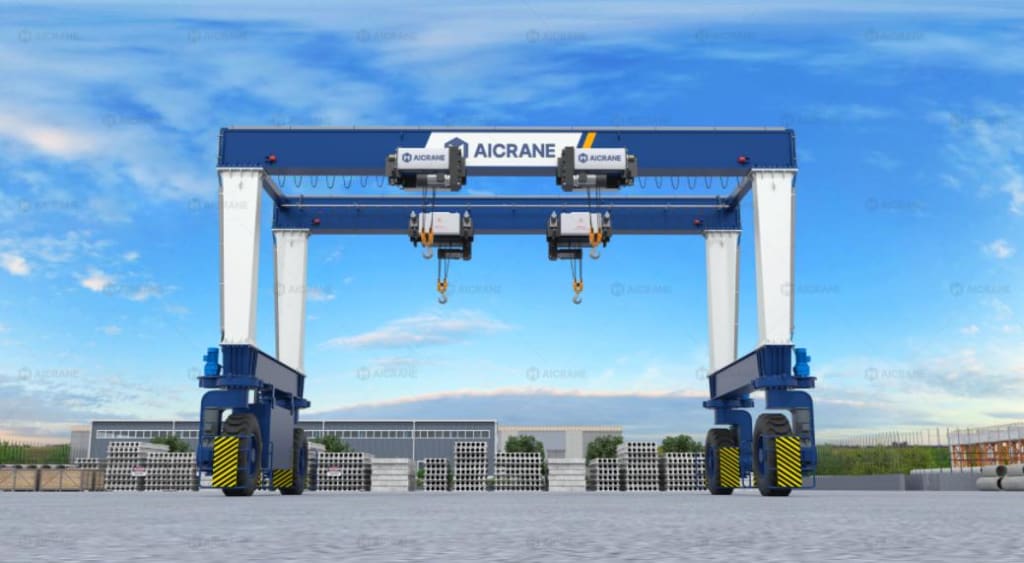
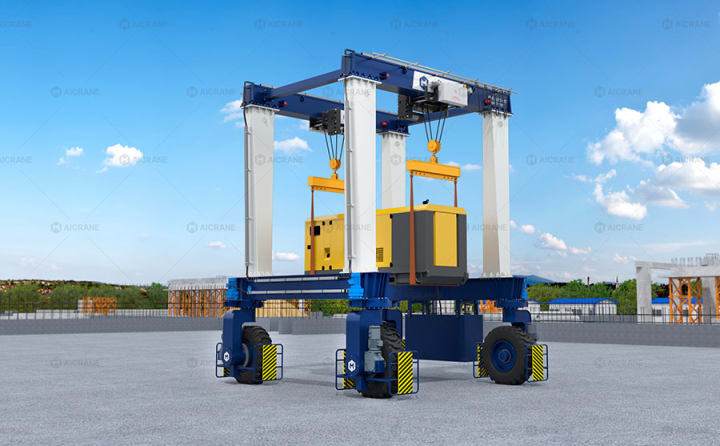
Rubber tyred gantry (RTG) cranes are essential lifting equipment in ports, container yards, industrial zones, and logistics centers. These mobile gantry cranes offer the flexibility to move heavy loads across large outdoor areas without the need for tracks. A critical component that significantly influences the RTG crane’s performance, operational cost, and environmental impact is its power supply system.
Choosing the right power supply system for an RTG crane isn’t just a technical decision—it’s a strategic one that affects the overall efficiency of your operations. In this article, we’ll explore the types of power systems available for rubber tyre gantry cranes, the factors to consider in choosing the best one for your application, and the pros and cons of each option.
1. Overview of Power Supply Options for RTG Cranes
RTG cranes traditionally operated using diesel-powered generator sets. However, with growing concerns about fuel cost, emissions, and operational efficiency, newer alternatives have emerged. The three main power supply options for RTG cranes are:
1.1 Diesel Generator Powered (Conventional RTG)
This traditional system uses a diesel engine to drive a generator that powers the crane. It's fully self-contained and ideal for locations without fixed infrastructure.
Advantages:
- High mobility and flexibility
- Easy to deploy without needing external power sources
- Proven technology with wide industry familiarity
Disadvantages:
- High fuel consumption and operating costs
- Air and noise pollution
- More frequent maintenance due to engine wear
1.2 Electrified RTG (E-RTG) – Cable Reel or Busbar
Electrified RTGs connect to an external power supply via cable reels or busbars. This system eliminates the need for onboard diesel engines.
Advantages:
- Lower energy costs compared to diesel
- Zero local emissions
- Lower noise levels
- Reduced maintenance
Disadvantages:
- Requires installation of infrastructure (cables, reels, or busbars)
- May reduce crane mobility depending on layout
- Higher upfront cost for electrical system installation
1.3 Hybrid Power System
Hybrid RTGs combine a small diesel generator with energy storage systems (e.g., batteries or ultracapacitors). The battery handles most operational power needs, while the generator only recharges the battery as needed.
Advantages:
- Reduced fuel usage (up to 60% less than diesel-only)
- Lower emissions and noise
- Can operate without permanent electrical infrastructure
- Enhanced operational flexibility
Disadvantages:
- Higher initial investment than conventional systems
- Battery degradation over time
- Requires smart energy management system
2. Key Factors to Consider When Selecting a Power Supply System
2.1 Site Infrastructure and Mobility Requirements
One of the first considerations is whether your site has access to an electrical grid or whether the mobile gantry crane will need to be completely self-sufficient.
If the crane operates in a large container yard or port terminal with a reliable grid and fixed routes, an E-RTG with a cable reel or busbar might be ideal.
If the crane must move frequently between sites or operate in remote areas, a diesel generator or hybrid system is more suitable.
2.2 Environmental Regulations and Sustainability Goals
Environmental compliance is a growing concern worldwide. Electrified and hybrid systems significantly reduce CO₂ and NOx emissions compared to diesel RTGs.
Ports and operators in countries with strict emission regulations may benefit from switching to E-RTG or hybrid systems.
If your organization aims to reduce its carbon footprint, electrification aligns with sustainability goals and may qualify for government incentives or green funding.
2.3 Operating Cost and Energy Efficiency
Power supply choice directly affects long-term operating expenses. Diesel RTGs have high fuel and maintenance costs, whereas electric-powered systems offer lower cost per operating hour.
Over time, E-RTGs are usually more economical, especially if electricity is cheaper than diesel in your region.
Hybrid RTGs offer a balance—reducing fuel consumption while avoiding the need for a full electrification infrastructure.
2.4 Initial Investment and Return on Investment (ROI)
Upfront cost is a concern for many buyers. While diesel RTGs typically have the lowest purchase cost, their long-term operational cost is higher. E-RTGs and hybrids may require higher capital investment but offer lower lifecycle costs.
You should calculate:
- Payback period
- Energy cost savings over time
- Infrastructure upgrade costs (for E-RTGs)
- Government incentives for eco-friendly equipment
2.5 Maintenance Requirements
Different power systems come with different maintenance needs:
Diesel RTGs: Frequent engine maintenance, oil changes, and emissions control
E-RTGs: Lower maintenance due to fewer moving parts and absence of combustion engine
Hybrid RTGs: Some maintenance on both generator and battery systems, but overall lower than diesel
3. Real-World Application Scenarios
Let’s examine which power system is best suited for specific environments:
3.1 Port Terminals with Fixed Crane Routes
These sites benefit most from E-RTG systems using a busbar or cable reel system, allowing continuous operation with low emissions and energy costs.
3.2 Industrial Yards with No Power Infrastructure
For sites with no power grid access, diesel RTGs remain a viable choice. However, hybrid RTGs can be a more sustainable option if moderate mobility is acceptable.
3.3 Large Container Yards with Semi-Fixed Operations
In yards where cranes operate within defined zones but need some flexibility, hybrid RTGs provide operational freedom while lowering fuel use and emissions.
4. Final Thoughts: Matching Power Supply to Long-Term Goals
Selecting the right power supply system for your rubber tyred gantry crane is not a one-size-fits-all decision. It must consider your operational needs, mobility requirements, environmental constraints, and budget.
If you prioritize flexibility and low initial costs, a diesel generator-powered RTG may be your choice—but be ready for higher fuel and maintenance expenses.
If your goal is long-term savings and environmental sustainability, an electrified RTG powered by cable reel or busbar is the best fit—assuming infrastructure is in place.
And if you seek a balance between mobility, efficiency, and lower emissions, a hybrid RTG system offers the best of both worlds.
Ready to Choose the Right RTG Power System?
At Aicrane, we help customers select and configure rubber tyred gantry cranes with the ideal power solution tailored to your site conditions and operational goals. Whether you're upgrading your current system or planning a new installation, contact us today for expert consultation and a tailored quote.
About the Creator
Aicrane01
Welcome to the Aicrane Blog, your practical guide to lifting solutions. Discover articles covering overhead cranes, gantry cranes, winches, steel structures, boat lifts, and more.
Website: https://steelmillcranes.com/
Author’s Advice
If you would’ve asked me 20 years ago did I know I’d become a writer and an author, I would’ve said “nope, ain’t happening”. As fate would have it I did become an author and I can honestly say I’m loving it so far. It really does feel good to be a writer. I’ve learned a lot on this journey and I feel like with even me being as new to this world as I am, there’s some wisdom I need to share with every other aspiring author.
By Joe Patterson2 days ago in Journal
Global trade’s lifelines: 6 shipping lanes that keep the world economy moving
Maritime shipping lanes are the unsung lifelines of global trade. Roughly 90% of the world’s goods—from electronics and oil to food and raw materials—travel by sea, navigating a network of strategic shipping corridors that connect producers to consumers across continents. Disruptions along these routes can ripple across the global economy, impacting supply chains, energy prices, and trade flows. Here are six critical shipping lanes that underpin international commerce: 1. The Strait of Hormuz Located between Oman and Iran, the Strait of Hormuz is a narrow passage through which roughly 20% of the world’s oil supply passes. Tankers from Gulf nations rely on this corridor to transport crude to Europe, Asia, and the Americas. Heightened regional tensions can quickly drive up oil prices, as recent conflicts and military posturing have shown. 2. The Suez Canal The Suez Canal connects the Mediterranean Sea to the Red Sea, allowing ships to bypass the lengthy voyage around Africa’s Cape of Good Hope. The canal handles approximately 12% of global trade, making it one of the most strategically important maritime routes. The 2021 blockage by the container ship Ever Given demonstrated how a single incident can stall billions of dollars in goods. 3. The Strait of Malacca Between Malaysia and Indonesia, the Strait of Malacca serves as the main artery for ships traveling between the Indian Ocean and the Pacific. Around 25% of all traded goods pass through this narrow channel, including oil, electronics, and commodities. Its vulnerability to congestion or piracy has prompted constant monitoring and security initiatives. 4. The Panama Canal Connecting the Atlantic and Pacific Oceans, the Panama Canal facilitates the rapid movement of goods between Asia and the Americas. For decades, the canal has shortened transit times and reduced fuel costs for shipping companies. Recent expansions allow larger vessels to pass through, accommodating the growth of global containerized trade. 5. The English Channel One of the busiest shipping lanes in the world, the English Channel links the United Kingdom to continental Europe. Nearly 500 ships pass daily, carrying everything from raw materials to finished products. Its strategic position near Europe’s industrial and financial hubs makes it crucial for European commerce, especially during Brexit-related logistical shifts. 6. The Bab el-Mandeb Strait Connecting the Red Sea to the Gulf of Aden, the Bab el-Mandeb Strait sits between Djibouti and Yemen. About 4.8 million barrels of oil daily flow through this route, alongside other key commodities. Regional instability, piracy, and conflict in nearby areas have raised concerns over potential disruptions. Why These Routes Matter Global shipping lanes are not just pathways for goods—they are economic arteries that sustain industry, employment, and geopolitical influence. Even minor blockages can trigger cascading effects, delaying shipments, inflating prices, and disrupting production cycles. For instance, disruptions in the Suez Canal or Strait of Hormuz often lead to surging oil prices and logistical bottlenecks worldwide. Shipping companies, governments, and international organizations invest heavily in monitoring, securing, and maintaining these corridors. Advances in maritime technology, satellite navigation, and coordinated international patrols help mitigate risks such as piracy, geopolitical tensions, and accidents. Challenges Ahead Despite these safeguards, global shipping remains vulnerable. Rising geopolitical tensions, climate change, and evolving security threats could jeopardize these vital routes. Analysts warn that the reliance on a handful of narrow corridors makes the global economy susceptible to unforeseen shocks. Diversifying routes and improving maritime infrastructure are considered key strategies for resilience. The lifelines of global trade are more than just shipping lanes—they are critical components of the modern economy, linking markets, nations, and people. Protecting them ensures not only the smooth flow of goods but also global economic stability, energy security, and international cooperation. As trade volumes continue to grow and international tensions rise, these six corridors will remain under scrutiny, reminding the world just how interconnected and fragile the modern global supply chain truly is.
By Fiaz Ahmed 7 days ago in Journal


Comments
There are no comments for this story
Be the first to respond and start the conversation.