
How to Safely Use a Splitting Axe: Essential Tips for Beginners
Let’s break down the steps and tips you need to safely split wood like a pro.
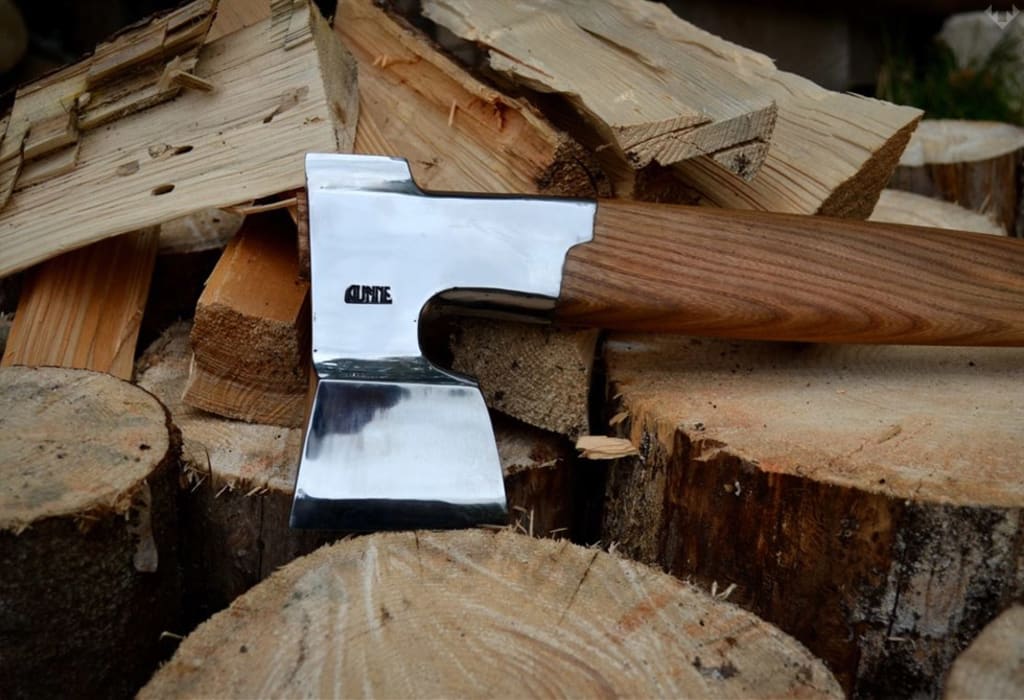
Splitting wood is a timeless task, one that takes a fair amount of skill and, more importantly, safety. If you’re a beginner, understanding how to safely use a splitting axe is the first step in mastering this useful tool. Whether you're prepping for the winter or simply learning the ropes, knowing the essentials of axe safety will keep you injury-free and efficient.
Understanding a Splitting Axe
Before you swing that axe, it's crucial to understand what exactly a splitting axe is. Unlike other axes, a splitting axe is designed with a unique wedge shape that helps split wood along its grain. This tool is optimized to break apart larger logs into manageable pieces, making it the go-to tool for wood splitting. But with its sharp blade and heavy weight, using it incorrectly can lead to injury.
Why Choose a Splitting Axe for Wood Splitting?
You might be asking, "Why not just use a regular axe?" Well, a splitting axe offers several advantages. The wedge-shaped blade of a splitting axe reduces the effort needed by driving the wood apart rather than slicing through it. This makes it far more effective when dealing with larger logs. Additionally, the handle is typically longer, giving you better leverage and control.
Anatomy of a Splitting Axe
To fully understand how to use a splitting axe safely, let’s break down its parts. The handle is typically made from wood, fiberglass, or composite materials, designed to absorb shock and provide a sturdy grip. The head is made of solid steel with a wedge-shaped blade on one side and sometimes a flat hammer surface on the back for driving wedges. Every piece of the axe is there for a reason, and understanding these parts will help you handle it with care.
Choosing the Right Splitting Axe for You
Not all axes are created equal, and the right one for you depends on several factors. When choosing a splitting axe, consider the weight, length, and material of the handle. A heavier axe may split wood faster, but it requires more strength and control. A lighter axe is easier to handle but may need more swings to get the job done. The handle length also matters, with longer handles offering better leverage.
Preparing Yourself for Splitting
Once you’ve got your axe, preparation is key. Wood-splitting is not something you can just dive into. You’ll want to ensure you’re physically and mentally prepared to avoid fatigue, which can lead to mistakes. This includes wearing proper safety gear and making sure your work environment is ready.
Safety Gear Essentials
Before you even pick up the axe, get your gear on. You'll need a sturdy pair of gloves to protect your hands, safety boots to keep your feet safe, and a helmet or eye protection in case of flying debris. It's always better to be over-prepared when working with sharp tools like a splitting axe.
Creating a Safe Splitting Environment
Where you split wood is just as important as how you split it. Always work on a stable, level surface with plenty of room to swing. Make sure the area around you is clear of any obstacles or people. Keep pets and children well out of the area to avoid accidents.
How to Properly Hold a Splitting Axe
A common mistake beginners make is holding the axe incorrectly. Gripping the axe too tightly can cause strain, while holding it too loosely can make you lose control. The key is to hold it firmly, but not too tightly, and ensure your dominant hand is at the base of the handle with your other hand near the head.
The Right Splitting Technique
Now, let’s get to the good part: splitting wood. The correct technique involves both power and control. Start by standing with your feet shoulder-width apart for balance. Lift the axe above your head with both hands and use the momentum of the axe’s weight to split the wood. The swing should be smooth, with your hands sliding together as the axe comes down.
Starting with the Right Stance
Before you even lift the axe, get into position. Your feet should be firmly planted, about shoulder-width apart, with the log positioned on a stable surface. Bend your knees slightly and engage your core to help with balance.
Following Through the Swing
As the axe comes down, follow through with the swing, allowing the axe to do most of the work. Don’t stop short; let the momentum carry the blade through the wood. This will not only help you split the wood efficiently but also prevent strain on your muscles.
About the Creator
paul smith
Introducing the Fear of God Essentials Unisex Tracksuit, designed for everyone who values comfort and style. This versatile tracksuit offers a relaxed fit and a timeless look.
Keep reading
More stories from paul smith and writers in Journal and other communities.
Top 10 Best Leviathan Axe Upgrades in God of War
Makes the Leviathan Axe So Special? The Leviathan Axe isn’t just another weapon in God of War; it’s an extension of Kratos’ soul and combat style. This iconic tool can be thrown, recalled, and imbued with powerful runic and frost abilities that allow you to control the battlefield in numerous ways. It’s essential to understand its history, features, and capabilities if you want to master it.
By paul smithabout a year ago in Journal
Why WordPress Still Feels Familiar in an Internet That Never Slows Down
I didn’t plan to work with WordPress for years. In the beginning, it was simply a practical choice. I needed something stable enough to publish content and flexible enough to change when I made mistakes. Like many others, I learned as I went, adjusting layouts late at night and fixing broken pages after realizing what didn’t work.
By Anthony Rodgers3 days ago in Journal




Comments
There are no comments for this story
Be the first to respond and start the conversation.