
How to Protect Yourself from Scammers
Be Aware, Stay Secure.


In today’s fast-growing digital economy, freelancing offers incredible flexibility and global opportunities. However, with that freedom comes the unfortunate reality of scams targeting independent professionals. Whether you’re a seasoned freelancer or just starting, it's crucial to stay vigilant and protect yourself from individuals or companies with dishonest intentions.
Here are six smart ways to protect yourself from scammers:
1. Research Every Client
Before accepting a job, take the time to research your potential client. If you're using a freelance platform, check their profile for verified payment methods, work history, and freelancer reviews. A low rating, no payment verification, or vague project details can be red flags.
Outside freelancing platforms, a simple Google search of the client’s name or company can reveal valuable insights. Check LinkedIn, company websites, or scam alert forums. If there’s little to no trace of their online presence, proceed with caution. A few minutes of research upfront can save you from major losses.
2. Use Secure Payment Methods
Stick to trusted payment platforms like PayPal, Stripe, or Wise when working independently, and use integrated payment systems when working through freelance platforms such as Upwork, Fiverr, or Freelancer. These methods offer transaction records and security features that can be crucial in resolving disputes.
Avoid direct bank transfers or unconventional payment methods, especially if you’ve never worked with the client before. Be particularly wary of clients who offer to pay outside the platform or ask for money to "unlock" a project this is a common scam technique.

3. Trust Your Instincts
Your instincts are often your first line of defense. If something feels off such as a client rushing the process, being overly generous with payment, or avoiding direct answers take a moment to reassess. Scammers often create a false sense of urgency to push you into making quick decisions.
It’s better to walk away from a suspicious offer than to risk wasting your time and energy on a fraudulent job. No legitimate client will pressure you into making uncomfortable choices.
4. Get Everything in Writing
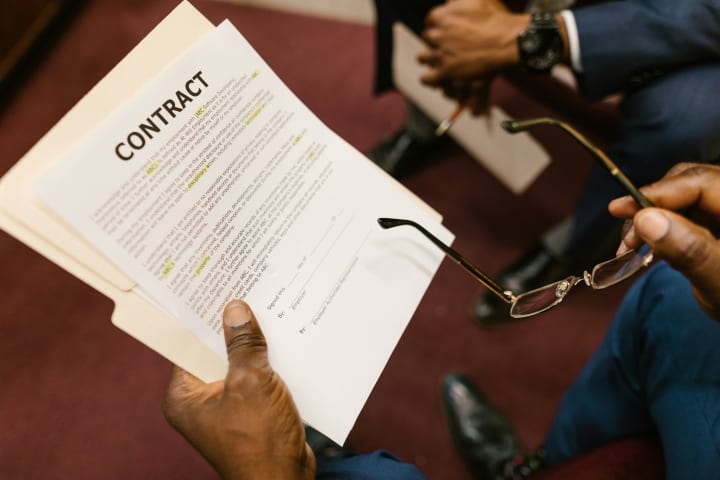
Protect yourself with a written agreement. Whether it’s through the freelancing platform or a signed contract, all project terms should be clearly documented. Include the project scope, deadlines, payment terms, number of revisions, and expectations on both sides.
If a client refuses to provide clear instructions or avoids signing a contract, that’s a red flag. Documentation not only protects your work but ensures both parties are on the same pageA
5. Avoid Sharing Personal Information
Legitimate clients don’t need your Social Security number, full banking details, or personal identification documents at the early stages of collaboration. Be careful with what you share, especially via email or unsecured platforms.
Only provide essential contact details and payment information when required, and never send sensitive documents unless you're confident in the client’s legitimacy and it’s necessary for the job (e.g., tax forms after hiring).
6. Report Suspicious Activity
If you experience or suspect a scam, report it immediately to the platform or payment provider. Freelance platforms usually have mechanisms in place to investigate reports and take action against fraudsters.
By reporting suspicious behavior, you’re not only protecting yourself you’re helping to protect the entire freelance community.

Final Thoughts
Freelancing is empowering, but it also requires self-awareness and caution. By taking the time to research clients, using secure payment systems, listening to your instincts, insisting on written agreements, protecting your personal data, and reporting scammers, you can enjoy your freelancing journey with greater confidence and peace of mind. Remember, staying informed and proactive not only helps you avoid potential pitfalls but also builds a foundation for long-term success and professional growth in your freelance career.

About the Creator
Alphonsine Uwamariya
Helping freelancers and remote professionals navigate the digital workspace. I share tips on freelancing, virtual assistance, and work‑from‑home success. Let’s make remote work work for you!
Keep reading
More stories from Alphonsine Uwamariya and writers in Journal and other communities.
Navigating Freelance Scams
Freelancing has opened doors for professionals around the world, offering flexibility, independence, and the ability to work from anywhere. But with the rise of remote work, scams have also become more common, targeting unsuspecting freelancers who are just looking for honest work. Whether you're new to freelancing or a seasoned professional, it’s crucial to recognize red flags and protect yourself from falling victim to fraudulent job offers.
By Alphonsine Uwamariya10 months ago in Journal
~ Fired ~
— Ai Intrusion ~ Are you Next ~ Is Ai Evolution after your job? — Few workplaces haven't been affected. Ai is in supermarkets, at doctors' offices, and even monitoring farms. I just can't think of anything this machine is not getting into, can you? For instance: Education ~ Law and Tech jobs will one day have a major influence or be taken over by these inanimate machines, with accuracy and vigor. From mechanics' diagnoses to a wide variety of everyday jobs, including fast food workers, with this input having the ability to cut their unnecessary work hours. I'm certain all of us have been touched by this with our short stories and colorful headings, have you? Even comments are very questionable 'Non-Robot' insertions.
By Jay Kantor2 days ago in Journal
Australia Makes £4.5 Trillion Find That Could Change the World’s Economy
Australia is already one of the world’s leading mineral producers, but a new discovery of iron ore valued at roughly £4.5 trillion (about US $6 trillion) could elevate the country’s role in the global economy even further. Hidden deep under Western Australia’s Hamersley region, one of the richest iron ore deposits ever identified is drawing attention across markets and governments alike due to its sheer scale and quality.
By Salaar Jamali7 days ago in Journal



Comments
There are no comments for this story
Be the first to respond and start the conversation.