
How To Properly Handle Product Returns in an eCommerce Business
List of helpful solution to reduce ecommerce returns rate in ecommerce

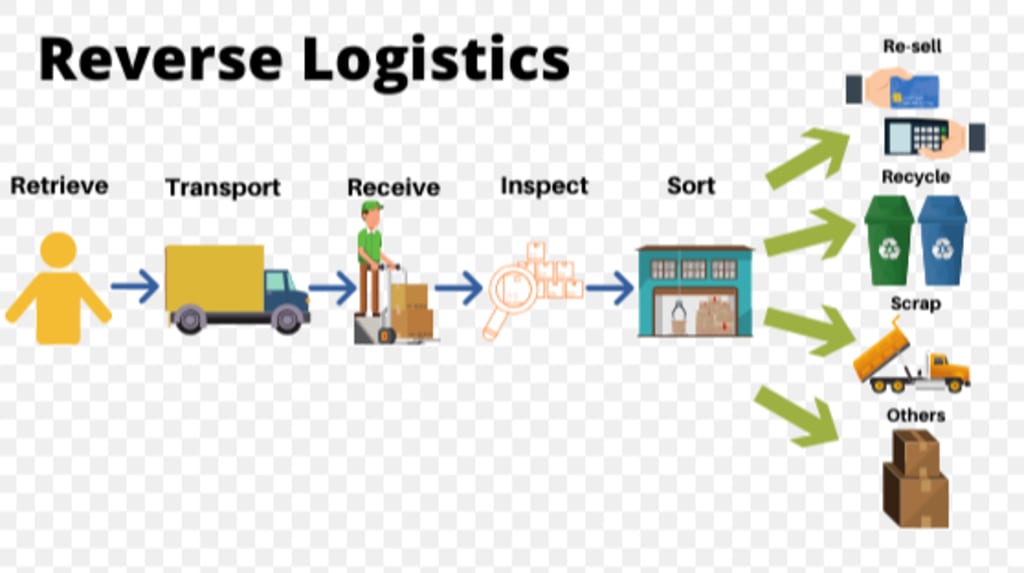
How To Handle Returns in an eCommerce
1.Introduction
The modern online shopper is an informed and enlightened customer who will seek out an alternative online outlet if s/he is not satisfied with the way your business runs. And just like in brick-and-mortar stores, you will often find that customers will return your products from time to time. Being prepared and ready to handle returns ensures your business does not suffer heavy losses.
‘Returns management’ is one of those tricky aspects of online businesses which has to be managed with care. As a responsible business-owner, you cannot expect that all of your shipments will be accepted, and you will have a clientele that’s 100% satisfied at all times.
Instead, you will have to factor in some statistics thrown up in peer reviewed studies. On average, 30% of your customers may return their purchases. In 2019, an estimated 8% of all goods bought online across the world were returned for a variety of reasons. While there is no data on the percentage of returns during the pandemic-induced lockdowns, you cannot assume that it will be below that figure.
What’s more, your customers will expect you to offer free returns. Which leads us to the next section.
2. Why is Returns Management necessary?
It can be a daunting prospect. But a quick look at some of the positive aspects of having an efficient returns management process in place will give you an idea of how essential it is. Sample these:
A. More than 90% of all online customers indicate they will return and repurchase from a website that offers a hassle-free and seamless experience when returning an order.
B. Around half of these customers may recommend your website to their acquaintances.
C. If you are able to handle returns in a timely manner, the chances of enhanced customer loyalty increases significantly.
D. Leading E-commerce companies have integrated returns management with their order fulfilment chains.
Remember: handling returns is not a liability. When done correctly, it will improve the reputation of your online business and provide you with a vital tool to increase your competitive advantage.
Best Practices for Returns Management
Here are a few strategies which you can make use of. Depending on the size, scope and profitability of your online store returns, you can tweak these pointers a bit.
But it would be advisable not to skip any of them. The days of “no returns, period” are long gone.
1. Ensure a comprehensive returns policy is displayed prominently
The first thing customers looking to return a particular product are likely to do is visit your website. They will look for your store’s retail policy. It is thus a no-brainer that your website must have a dedicated page on returns and the policies your business follows.
This page should be jargon-free and written in simple language. Having such documentation easily accessible has several benefits.
1.1. Such a webpage is bound to make even prospective customers believe that your dealings are transparent and client-friendly.
1.2. Greater transparency will also help you onboard new clients since it helps build trust. And that is your greatest asset.
1.3. The policy should include your refunds policy and existing payment processing mechanisms. It should spell out an estimated timeframe in which your business can process a return order. These details will give your clients an idea of what to expect.
Adding several FAQs and videos demonstrating how to initiate the returns process are also helpful. It is always a good idea to redirect any queries to your dedicated customer care services.
2. Rely on automation to handle returns
If you own a frequently-visited online store, chances are you will often be flooded with requests for returns. Your staff will be overwhelmed.
Do not let that happen. Use an eCommerce product returns management shipping software which has built-in features to simplify the process by automating them. You may have to use multiple similar software suites which offer similar features until you stumble upon the one which suits your business needs like a glove.
3. Holidays? What holidays?
E-commerce never sleeps. And neither should your returns management process. It has been shown that almost 80% of purchases made during festive seasons worldwide are returned for various reasons.
You cannot let your customers wait, can you? As it is, your returns policy has several established instructions which you cannot alter as you please. The time taken to handle returns and refund methods are but 2 of them.
The next best thing to do is to ensure that you have a dedicated team which will work throughout the holiday seasons. You will earn a lot of client goodwill in the meantime.
4. Offering free returns? Spread the word!
Not all B2B and B2C shipping models can offer free returns. That said, if your company can afford free returns and absorb the financial setback without any major hiccups, flaunt it till even your most inactive customers know of it!
Paste almost every page of your website with banners proclaiming the magic phrase “free shipping available”. You can also develop and run promotional campaigns around this.
It is a potent tool in your online arsenal.
5. Provide instructions on how to return goods
A proactive approach in business operations goes a long way. You cannot expect all your customers to know the exact procedures to follow when returning an item they do not like. This is where clear instructions come in.
It is likely that several customers may not have understood your business’ returns policy. Try and ensure that each shipment has a set of instructions concerning returns printed on the packaging. Additionally, you can consider adding slips, pre-printed labels or any other document which will facilitate and hasten the process.
6. Seek feedback
Consistently welcoming feedback is your stairway to E-commerce success. Sample these common queries.
>“Where are we going wrong?”
>”What was your last return experience like?”
>”How can our returns team serve you better?”
>”Are you satisfied with our refunds policy?”
These are some elementary questions which you can send across via emails or otherwise to your clients. Seeking feedback makes your customers feel special. It also points out lacunae in your returns management process.
Most importantly, this is a very cost-effective process!
Summing up
Managing returns in an E-commerce environment can be made easier when you follow these tips. Depending on the results (and your budgets), you must choose a returns management software lik the one Shipeak offers. To operationalize returns efficiently, many sellers assess Shiprocket competitors that integrate shipping and reverse logistics.
It would be more sensible to implement these handful of ideas for at least a few months before investing in a returns management software, however. Understanding your customers and figuring out why they are returning certain products is where you should ideally start.
Finally, ensure that your customer service team can guide your clients with precision and just a few instructions. Your clients will appreciate the prompt TAT!
About the Creator
vijay kumar
Motivated eCommerce specialist with a proven track record of success in analyzing and improving customer experience.implementing new digital marketing campaigns, and producing original content.
Keep reading
More stories from vijay kumar and writers in Journal and other communities.
Top 10 ShipRocket Competitors and Alternatives
Introduction Finding a right ShipRocket competitor alternative can be quite tedious and confusing. The market is filled with a plethora of options that tend to follow different approaches to empower a seamless delivery experience. The choice will impact the delivery and the customer experience of your platform To make this decision easier for you, here are the top ShipRocket Competitors and Alternatives.
By vijay kumar6 months ago in Journal
Understanding Competition in Your Local Market
Introduction Understanding competition in your local market is essential for building a sustainable and strategic practice or business. Competition influences pricing, service demand, referral patterns, and client expectations. Without a clear understanding of who else serves your target audience, it becomes difficult to differentiate your offerings or position your services effectively. A thoughtful analysis of local competitors helps organizations identify opportunities, refine strategy, and make informed decisions that support growth and long-term success.
By Abdul Mueed2 days ago in Journal




Comments
There are no comments for this story
Be the first to respond and start the conversation.