
How to Prevent and Treat Hypertension
Expert Tips

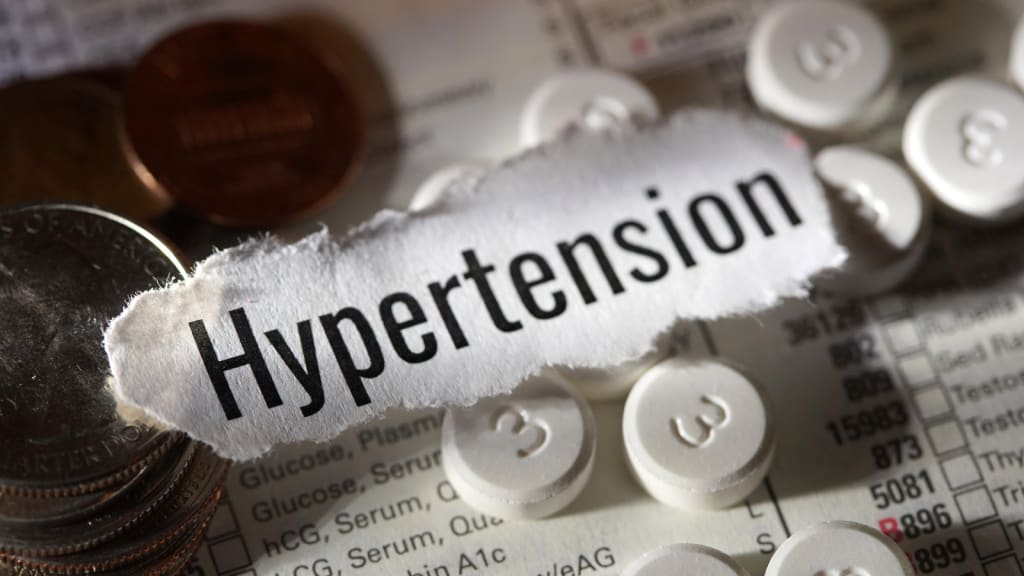
Hypertension, commonly known as high blood pressure, is a chronic condition that affects nearly half of the adult population.
Often called the “silent killer,” it can progress without symptoms while quietly damaging your blood vessels, heart, and other organs. But the good news is — with the right steps, hypertension can be managed and even prevented.
In this blog, we’ll walk you through expert-recommended prevention and treatment strategies, including lifestyle changes and medical interventions, and also highlight the difference between hypertension vs hypotension, and some of the latest treatment options available.
Understanding Hypertension: What You Need to Know
Hypertension occurs when the pressure of the blood against the artery walls is consistently too high. Over time, this can lead to serious complications like heart disease, kidney damage, and stroke.
Hypertension vs Hypotension
It’s important to differentiate between hypertension vs hypotension. While hypertension refers to elevated blood pressure, hypotension is abnormally low blood pressure, which can also be dangerous. Both conditions need careful monitoring and proper medical advice.
What Causes Hypertension?
There are two main types of hypertension:
1. Primary (essential) hypertension: Develops gradually with no identifiable cause.
2. Secondary hypertension: Caused by underlying medical conditions such as kidney disease, thyroid disorders, or sleep apnea.
Lifestyle factors like poor diet, inactivity, obesity, and high salt intake also play a major role. Genetics and age increase risk as well.
Causes of Secondary Hypertension
Some common causes of secondary hypertension include adrenal gland tumors, certain medications, congenital blood vessel defects, and chronic alcohol use. Managing these root causes can often help control high blood pressure more effectively.
Prevention Tips: How to Avoid Hypertension
Prevention starts with healthy living. The National Heart, Lung, and Blood Institute (NHLBI) and other health organizations suggest the following:
1. Eat a Heart-Healthy Diet
- Follow the DASH Diet: This plan emphasizes fruits, vegetables, whole grains, and low-fat dairy. It limits saturated fats, cholesterol, and added sugars.
- Reduce Sodium Intake: Limit salt to less than 2,300 mg per day — or even better, 1,500 mg for added benefit.
2. Maintain a Healthy Weight
Carrying excess weight puts strain on your heart and blood vessels. Losing even 5–10 pounds can have a significant effect on lowering your blood pressure.
3. Stay Physically Active
Aim for at least 150 minutes of moderate-intensity exercise per week. Walking, cycling, or swimming can all help improve heart health.
4. Limit Alcohol and Avoid Tobacco
Too much alcohol and smoking both increase your blood pressure and risk of cardiovascular disease.
5. Manage Stress
Chronic stress may lead to unhealthy coping behaviors that affect blood pressure. Meditation, yoga, and deep breathing techniques can help you stay calm and balanced.
Expert Treatment Options for Hypertension
If lifestyle changes aren’t enough, medications may be prescribed. Treatment is personalized based on your age, overall health, and severity of the condition.
Common Medications
- Diuretics: Help your kidneys eliminate excess sodium and water.
- ACE inhibitors: Relax blood vessels.
- Calcium channel blockers: Reduce heart rate and vessel tension.
Your doctor may also recommend regular monitoring of blood pressure and lifestyle coaching.
New Hypertension Treatment Options
With advances in medical research, new hypertension treatment approaches are being explored. These include device-based therapies like renal denervation, and more targeted medication options with fewer side effects. Clinical trials continue to investigate long-term efficacy and safety.
Diastolic Hypertension: A Special Focus
In some individuals, only the diastolic number (the bottom reading) is high — a condition known as diastolic hypertension. This form can be especially concerning in younger adults and requires careful evaluation to prevent long-term cardiovascular risk.
Common Questions Around Hypertension
Can Hypertension Cause Dehydration?
While not a direct cause, certain medications for high blood pressure — especially diuretics — can lead to fluid loss. So yes, hypertension can cause dehydration indirectly, and it’s important to stay hydrated while on treatment.
Can Hypertension Cause Sleep Apnea?
There is growing evidence that hypertension can cause sleep apnea, and vice versa. Poor sleep can raise stress hormones, which in turn increase blood pressure. If you have trouble sleeping and high blood pressure, it’s worth discussing with your healthcare provider.
When to See a Doctor
If your blood pressure consistently reads above 130/80 mmHg, it’s time to consult a healthcare provider. Early detection and intervention can prevent major complications. Regular checkups, even if you feel fine, are key.
During your visit, your doctor may also recommend using a prescription discount card to help you save significantly on blood pressure medications—especially if you’re managing the condition long-term. These cards are free and widely accepted at pharmacies, making them a practical tool for reducing out-of-pocket costs.
Conclusion
Managing and preventing hypertension is a lifelong journey. But with the right mix of healthy lifestyle choices, expert care, and awareness of new treatments, it is entirely possible to take control of your heart health.
Remember — small, consistent changes in your routine can lead to big improvements. Whether you're looking to prevent high blood pressure or already dealing with it, staying informed is your first step toward better health.
About the Creator
Rx Savings Guide
Sharing helpful and easy-to-understand health and wellness tips to make healthcare more affordable for everyone.
Keep reading
More stories from Rx Savings Guide and writers in Journal and other communities.
Living in a hemp house
Hemp, a multi-purpose crop that delivers fibres, shivs, seeds, and pharmaceuticals is currently used in insulation materials and bio-composites for a more sustainable construction industry. Russ Martin and his wife Karon Korp tell their story as owners of the first hemp house in the U.S.
By Susan Fourtané 7 days ago in Interview


Comments
There are no comments for this story
Be the first to respond and start the conversation.