
How to pick the right temperature for laundry?
What is the best temperature for laundry?

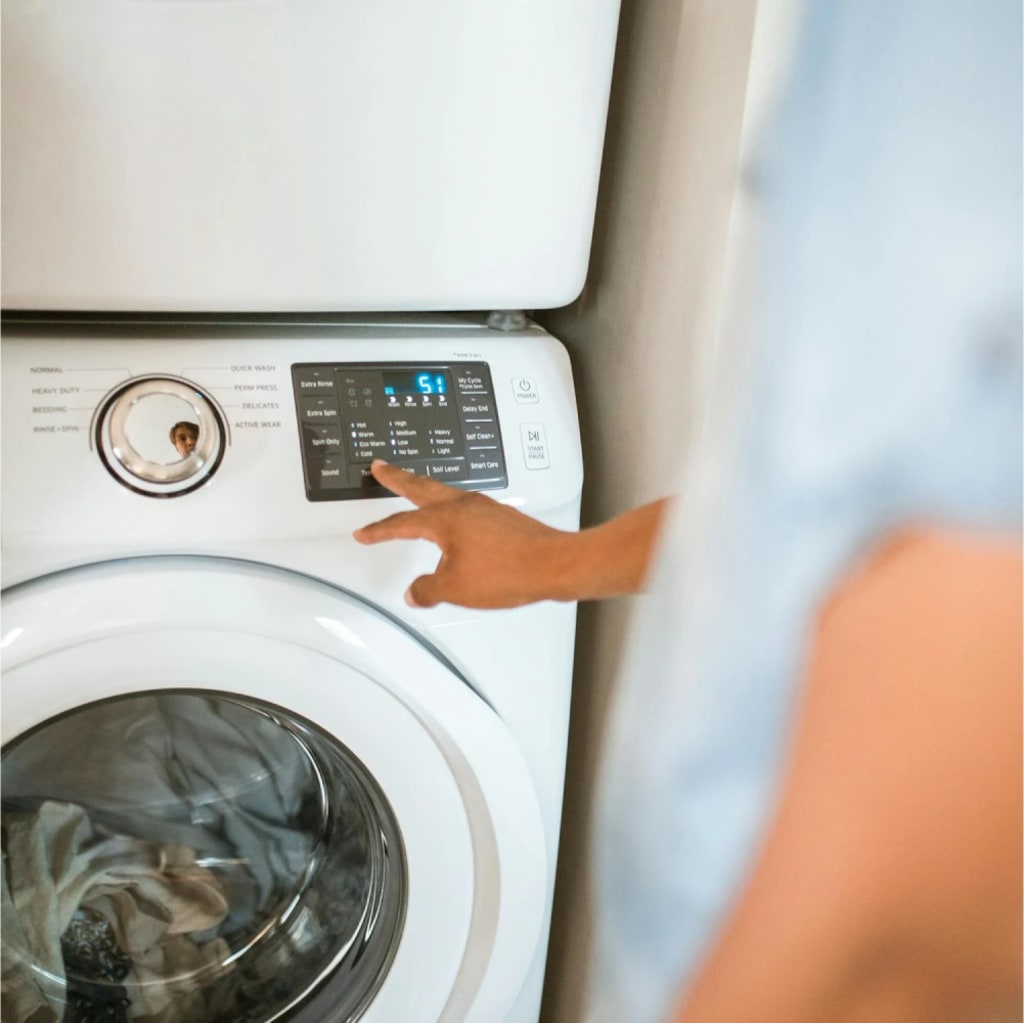
Most of us don't really think about the laundry temperature when we wash our clothes. We just toss the pile of laundry into the washing machine, expecting that the clothes will come out all clean and fresh. However, that’s not really possible!
The cleanliness, durability and quality of your clothing can be greatly impacted by the temperature of water that you are using to wash them. Not only this but using the wrong temperature of water for laundry can also have a significant financial and environmental impact.
The ideal washing temperature can make the difference between perfectly clean, freshly scented garments or shrunk, misshapen and prematurely worn-out clothing.
In this blog, we will share the best tricks to find out the best washing temperature for your clothes. From comfy cotton clothes to high-end silks and cashmeres, this guide has everything you need to take your laundry experience to the next level.
Hot water (55ºC or above)
If your clothing is heavily soiled or has oil-based stains, then using hot water is the best option. The temperature range for hot water is 55°C or above. For sportswear, activewear, uniforms, etc., hot water washing offers the best cleaning as they are generally more soiled and can have a lot of dirt and sweat.
One of the benefits of hot water washing is that it kills bacteria and disinfects the fabric during washing. This means that you can use hot water for laundering towels, bedding, clothing with grease and oil stains, or any other garment that you feel needs sanitization.
Hot water can make your clothing prone to colour fading and pilling, and natural fibre fabrics such as cotton can shrink when exposed to high temperatures.
Similarly, for delicate or woolen items, colours that may bleed or run, and synthetic fabrics that can shrink or lose shape, using hot water is not recommended at all.
To stay on the safe side, it’s best to check the laundry care symbols on the care label attached to your clothing before selecting the washing temperature. You can find the optimal washing, drying, and ironing guidelines on this care label.
Hot water washing also consumes the most energy (because water is heated within the washing machine), which means that it has an extremely negative impact on both the environment and your wallet via your electricity bills. For anyone concerned sustainability or the costs involved in laundry care, ditching hot-water washing is the safest bet.
Lukewarm Water (30ºC-40ºC)
Lukewarm water (30ºC–40ºC) works well for most fabrics and clothing items. It is gentle on delicate fabrics like silk, wool, and lingerie but still removes most of the dirt and stains from the garments.
With a fabric care detergent, you can use lukewarm water to prevent colour fading and bleeding in clothes. Most laundry care products, such as BIORESTORE cotton, also recommend using lukewarm water to refresh clothing and remove built upon pilling, bobbles and lint.
Cold water (25ºC or lower)
When it comes to fabric care and longevity, using cold water for laundry is the safest option. It is extremely gentle on your delicate fabrics, like lingerie, silk, and wool, and can also effectively remove pre-treated stains.
According to recent research, using cold water (25ºC or lower) also prevents colour fading and fabric shrinkage. This is because dark colours don’t face excessive wear-and-tear during cold-water washing, which translates to lesser chances of colour bleeding and fading in the washing machine.
One downside of using cold water in laundry is that it doesn’t work as well on heavy, soiled clothing. So, you might want to use a higher temperature, a pre-soak or pre spot cleaning for your towels, bedding, socks, etc.
Everyday clothing such as tees, pants, and casual wear that is not heavily stained or soiled will benefit from a cold wash as it will help to keep the color, shape and texture of the clothing, with only a warmer wash required if there is a lot of soiling, staining or sweat.
Tips for using the best temperature for washing
In laundry care, a one-size-fits-all approach is never useful. Here are some pointers on how to pick the right water temperature for laundry.
1. What fabric care detergent are you using?
When it comes to fabric care, it is not only essential to choose a detergent that suits your fabric type but also to follow the temperature guidelines for optimal performance.
For instance, if you're using BIORESTORE cotton for fabric renewal, the temperature must be 40ºC/104ºF. Similarly, some liquid detergents are designed to work optimally in cold water, while others require warm water to effectively clean and care for your fabrics.
By sticking to the recommended temperature guidelines on fabric care detergents, you can give the best care to your garments and maintain their quality wash after wash.
2. What does the label say?
Never undervalue the significance of reading the care labels on your clothing. These labels include detailed directions for washing, drying, and ironing garments. By sticking to these instructions, you can ensure that your clothes stay vibrant and brand new for longer.
3. What fabric are you dealing with?
Understanding the type of fabric that you are washing is crucial to laundry care.
Delicate fabrics such as silk, wool, lace, and linen require gentle care and should be washed in cold water to prevent damage and preserve their texture.
On the other hand, natural fibres like cotton, bamboo, and hemp can be washed with slightly warmer temperatures, i.e., lukewarm water.
However, it’s best to refer to the care label for checking the fabric composition as well as the ideal washing temperature
About the Creator
Biorestore AB
BIORESTORE - One wash restores old garments to new
WEB: BioRestore AB
Address: Gästrikegatan 14 11356 Stockholm
Social link :
Facebook -
Twitter -
Keep reading
More stories from Biorestore AB and writers in Journal and other communities.
The 7 best cotton lint removers for delicate fabrics
Lint, pilling, and bobbles are attracted to all kinds of clothing (even those made of high-quality materials). Luckily, different lint removers are available on the market that can be used even on delicate garments and help to keep your garments in good condition.
By Biorestore ABabout a year ago in Journal
How a Warehouse Mezzanine Floor Solves Space Problems
Most warehouses don’t start with a space problem. They grow into one. At first, everything works. Stock fits. Teams move easily. Processes feel manageable. Then growth creeps in. Orders increase, new lines are added, and temporary solutions quietly become permanent. Before anyone officially calls it an issue, the warehouse feels tighter, slower, and harder to work in.
By Andrew Milea day ago in Journal




Comments (1)
Thanks for sharing