
How to Lead a Healthy Life Every Day
Start Your Day with a Healthy Breakfast

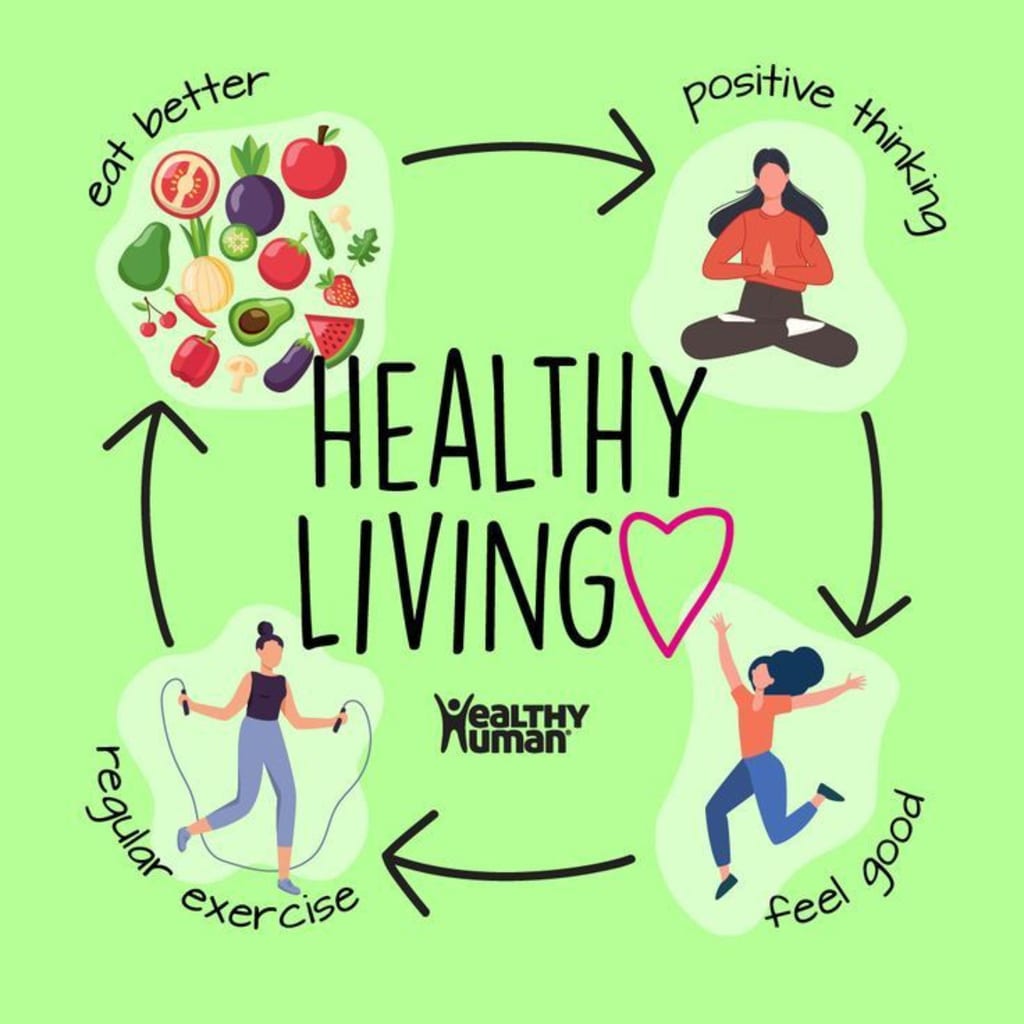
Living a healthy life every day is a goal that many aspire to but can find challenging to achieve. A healthy lifestyle encompasses various aspects of physical, mental, and emotional well-being. This comprehensive guide will cover practical steps and strategies to help you lead a healthier life daily.
Introduction
Health is wealth, as the saying goes, and maintaining a healthy lifestyle is crucial for overall well-being. A balanced approach to nutrition, exercise, sleep, stress management, and mental health can significantly improve your quality of life. This article will explore the essential components of a healthy lifestyle and provide actionable tips to incorporate them into your daily routine.
1. Nutrition: Fueling Your Body Right
The foundation of a healthy life is proper nutrition. What you eat plays a crucial role in your overall health and well-being.
1.1. Balanced Diet
A balanced diet includes a variety of foods from all food groups: fruits, vegetables, grains, protein, and dairy. Aim to fill half your plate with fruits and vegetables, one-quarter with whole grains, and one-quarter with lean protein.
1.2. Hydration
Staying hydrated is essential for bodily functions. Aim to drink at least eight 8-ounce glasses of water daily, more if you are active or live in a hot climate.
1.3. Limiting Processed Foods
Processed foods often contain high levels of sugar, salt, and unhealthy fats. Limit your intake of processed foods and opt for whole, unprocessed options whenever possible.
2. Regular Exercise: Keep Moving
Physical activity is vital for maintaining a healthy body and mind.
2.1. Types of Exercise
Incorporate various types of exercise into your routine, including cardiovascular exercises (like walking, running, or cycling), strength training (using weights or bodyweight exercises), and flexibility exercises (like yoga or stretching).
2.2. Exercise Routine
Aim for at least 150 minutes of moderate-intensity aerobic activity or 75 minutes of vigorous-intensity activity each week, along with muscle-strengthening activities on two or more days a week.
2.3. Staying Active Throughout the Day
In addition to scheduled exercise, find ways to stay active throughout the day. Take the stairs instead of the elevator, walk or bike to work, and take breaks to stretch and move around if you have a sedentary job.
3. sleep: The Unsung Hero of Health
Quality sleep is just as important as diet and exercise for maintaining good health.
3.1. Sleep Duration
Adults need 7-9 hours of sleep per night. Establish a regular sleep schedule by going to bed and waking up at the same time every day, even on weekends.
3.2. Sleep Environment
Create a restful sleep environment by keeping your bedroom cool, dark, and quiet. Invest in a comfortable mattress and pillows, and limit screen time before bed to improve sleep quality.
3.3. Sleep Hygiene
Practice good sleep hygiene by establishing a calming bedtime routine, avoiding caffeine and heavy meals before bed, and managing stress.
4. Stress Management: Maintaining Mental Health
Chronic stress can negatively impact your health, so it’s essential to develop strategies to manage it effectively.
4.1. Mindfulness and Meditation
Mindfulness and meditation can help reduce stress and improve mental clarity. Set aside time each day to practice mindfulness or meditation, even if it’s just for a few minutes.
4.2.Time Management
Effective time management can help reduce stress by allowing you to prioritize tasks and avoid last-minute rushes. Use tools like planners or digital calendars to organize your day.
4.3. Relaxation Techniques
Incorporate relaxation techniques like deep breathing, progressive muscle relaxation, or engaging in hobbies you enjoy to unwind and reduce stress levels.
5. Mental and Emotional Health: Nurturing Your Inner Self
Mental and emotional health are critical components of a healthy lifestyle.
5.1. Building Resilience
Resilience is the ability to bounce back from setbacks. Build resilience by developing a strong support network, maintaining a positive outlook, and practicing self-compassion.
5.2. Seeking Help
Don’t hesitate to seek professional help if you’re struggling with mental health issues. Therapists, counselors, and support groups can provide valuable assistance.
5.3. Connecting with Others
Social connections are vital for emotional well-being. Make an effort to connect with friends and family regularly, and consider joining clubs or groups that align with your interests.
6. Healthy Habits: Small Changes, Big Impact
Incorporating small, healthy habits into your daily routine can lead to significant improvements in your overall health.
6.1. Healthy Snacking
Choose healthy snacks like fruits, nuts, and yogurt instead of sugary or salty options.
6.2. Mindful Eating
Practice mindful eating by paying attention to what and how much you eat. Avoid distractions like TV or smartphones during meals.
6.3. Regular Check-ups
Regular health check-ups and screenings can help detect potential health issues early and keep you informed about your health status.
7. Avoiding Harmful Substances
To maintain a healthy lifestyle, it’s essential to avoid harmful substances.
7.1. Tobacco and Alcohol
Avoid tobacco products and limit alcohol consumption. Both can have severe health consequences and negatively impact your overall well-being.
7.2. Substance Abuse
If you struggle with substance abuse, seek professional help. Substance abuse can have devastating effects on your health and quality of life.
8. Environmental Factors: Creating a Healthy Environment
Your environment plays a significant role in your health. Create a healthy living space by making mindful choices.
8.1. Clean Air
Ensure good air quality in your home by using air purifiers, keeping your space well-ventilated, and avoiding the use of harsh chemicals.
8.2. Healthy Home
Keep your home clean and free from allergens. Regularly clean surfaces, vacuum, and wash bedding to reduce the risk of illnesses.
8.3. Ergonomics
Set up your workspace ergonomically to prevent strain and injuries. Ensure your chair, desk, and computer are positioned correctly to promote good posture.
9. Preventive Measures: Staying Ahead of Health Issues
Taking preventive measures can help you stay ahead of potential health issues.
9.1. Vaccinations
Stay up to date with vaccinations to protect yourself from various diseases.
9.2. Screenings and Tests
Regular screenings and tests can help detect health issues early when they are most treatable. Follow your healthcare provider’s recommendations for screenings based on your age and health status.
9.3. Healthy Weight
Maintain a healthy weight through a balanced diet and regular exercise. Being overweight or underweight can increase the risk of various health problems.
Conclusion
Leading a healthy life every day requires commitment and effort, but the benefits are well worth it. By focusing on nutrition, regular exercise, quality sleep, stress management, mental health, and preventive measures, you can significantly improve your overall well-being. Start small, make gradual changes, and remember that a healthy lifestyle is a lifelong journey. Celebrate your progress and stay motivated by setting achievable goals and reminding yourself of the positive impact these changes have on your life. Here’s to a healthier, happier you!
About the Creator
JUHAID VOCAL TIME
By creators, for creators.
Keep reading
More stories from JUHAID VOCAL TIME and writers in Journal and other communities.
Top 10 Cheapest Healthy Foods to Have at Home
Eating healthy doesn't have to break the bank. There are numerous nutritious foods that are both affordable and easy to incorporate into your diet. Here's a list of the top 10 cheapest healthy foods you can keep at home, ensuring you maintain a balanced diet without stretching your budget.
By JUHAID VOCAL TIME2 years ago in Journal
The Summer I Was Chosen by a Northern Mockingbird
During the long, suspended days of the pandemic, a wild mockingbird began visiting my driveway and chose me, again and again. What started as a strange encounter became a brief, meaningful connection that I still carry with me.
By Erica Roberts 4 days ago in Petlife



Comments
There are no comments for this story
Be the first to respond and start the conversation.