
Top 10 Cheapest Healthy Foods to Have at Home
Eating healthy doesn't have to break the bank

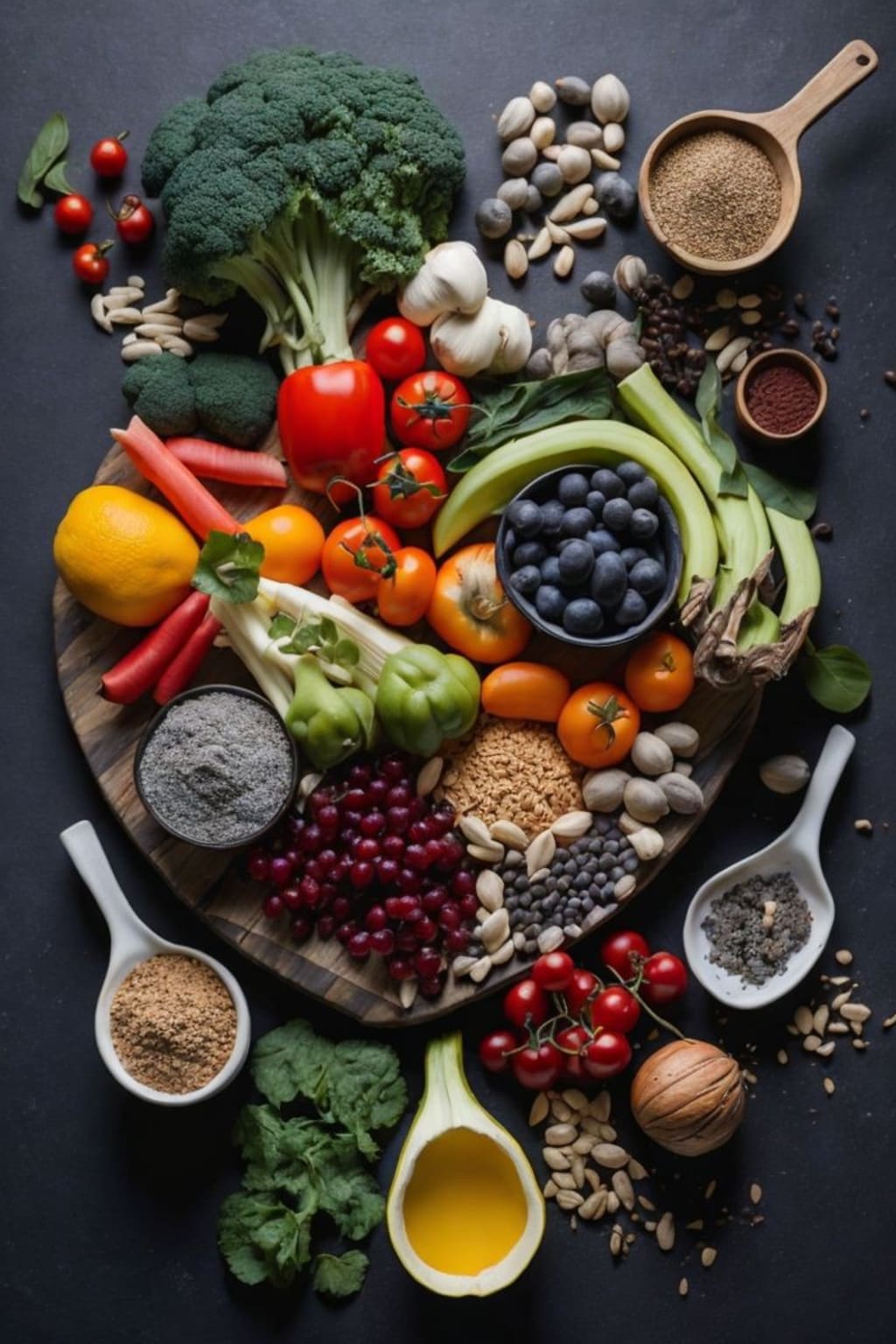
Eating healthy doesn't have to break the bank. There are numerous nutritious foods that are both affordable and easy to incorporate into your diet. Here's a list of the top 10 cheapest healthy foods you can keep at home, ensuring you maintain a balanced diet without stretching your budget.
1. Oats
Oats are a versatile and inexpensive staple. They are rich in fiber, vitamins, and minerals, making them a great choice for breakfast or even baking. A bowl of oatmeal can help reduce cholesterol levels and keep you full for longer periods.
- Cost: Around $2-$3 per pound.
- Health Benefits: High in antioxidants, reduces cholesterol, stabilizes blood sugar levels.
- Uses: Oatmeal, smoothies, baking.
2. Beans
Beans are an excellent source of protein, fiber, vitamins, and minerals. They are incredibly versatile and can be used in a variety of dishes from soups and stews to salads and casseroles.
- Cost: Approximately $1 per can or $1-$2 per pound for dried beans.
Health Benefits: Supports heart health, stabilizes blood sugar, aids in digestion.
Uses: Soups, stews, salads, dips.
3. Brown Rice
Brown rice is a whole grain that provides more nutrients than its white counterpart. It's a great source of magnesium, phosphorus, selenium, thiamine, niacin, and vitamin B6.
- Cost: About $1-$2 per pound.
- Health Benefits: High in fiber, supports heart health, helps control blood sugar levels.
- Uses: Side dishes, stir-fries, salads, bowls.
4. Bananas
Bananas are one of the most affordable fruits available. They are rich in potassium, vitamin C, and vitamin B6, and they provide a quick source of energy.
- Cost: Around $0.50 per pound.
- Health Benefits: Supports heart health, aids digestion, provides quick energy.
- Uses: Snacks, smoothies, baking.
5. Carrots
Carrots are not only cheap but also packed with nutrients like beta-carotene, fiber, vitamin K1, and potassium. They are also good for your eyes and skin.
- Cost: Approximately $1 per pound.
- Health Benefits: Good for vision, boosts immune system, promotes skin health.
- Uses: Salads, soups, snacks, stir-fries.
6. Eggs
Eggs are a highly nutritious and affordable source of protein. They contain all nine essential amino acids and are rich in vitamins and minerals such as vitamin B12, vitamin D, and choline.
- Cost: Around $2-$3 per dozen.
- Health Benefits: Supports brain health, aids in muscle building, provides essential nutrients.
- Uses: Breakfast, baking, salads, main dishes.
7. Frozen Vegetables
Frozen vegetables are a convenient and cost-effective way to ensure you always have vegetables on hand. They are typically frozen at their peak ripeness, preserving their nutritional value.
Cost: Approximately $1-$2 per bag.
Health Benefits: Rich in vitamins and minerals, supports overall health, easy to store and use.
Uses: Stir-fries, soups, side dishes, casseroles.
8. Greek Yogurt
Greek yogurt is a protein-rich food that is also a good source of probiotics, which support gut health. It can be used in both sweet and savory dishes.
- Cost: About $1 per serving.
- Health Benefits: Supports digestive health, high in protein, contains probiotics.
- Uses: Breakfast, snacks, smoothies, dressings.
9. Canned Tuna
Canned tuna is an affordable source of high-quality protein and omega-3 fatty acids. It's also very versatile and can be used in a variety of dishes.
- Cost: Around $1-$2 per can.
- Health Benefits: Supports heart health, high in protein, rich in omega-3 fatty acids.
- Uses: Salads, sandwiches, casseroles, snacks.
10. Potatoes
Potatoes are a very affordable and versatile food that provides a good source of vitamins C and B6, potassium, and fiber. They can be prepared in many ways, making them a staple in many households.
- Cost: Approximately $0.50 per pound.
- Health Benefits: Supports heart health, high in fiber, provides essential nutrients.
- Uses: Baked, mashed, roasted, soups, salads.
Tips for Shopping on a Budget
1. Buy in Bulk
Purchasing items like oats, beans, and rice in bulk can save you a lot of money in the long run. Many stores offer discounts for bulk purchases, and these items have a long shelf life, making them a practical choice for stocking up.
2. Seasonal Produce
Buying fruits and vegetables that are in season can significantly reduce costs. Seasonal produce is usually fresher and cheaper due to lower transportation costs and higher supply.
3. Store Brands
Opt for store brands rather than name brands. Store brands are often just as good in terms of quality and nutrition but come at a fraction of the price.
4. Plan Your Meals
Planning your meals for the week can help you make more informed purchasing decisions. It reduces the likelihood of buying unnecessary items and ensures you use what you buy, minimizing food waste.
5. Use Coupons and Sales
Take advantage of coupons and sales to lower your grocery bill. Many stores have weekly sales and offer digital coupons that can be easily accessed through their apps or websites.
Conclusion
Eating healthy on a budget is entirely possible with a bit of planning and smart shopping. By incorporating these affordable and nutritious foods into your diet, you can maintain a balanced and healthy lifestyle without spending a fortune. These staples not only provide essential nutrients but also offer versatility in the kitchen, making it easy to prepare a variety of delicious and healthy meals.
About the Creator
JUHAID VOCAL TIME
By creators, for creators.
Keep reading
More stories from JUHAID VOCAL TIME and writers in Journal and other communities.
What Are GPOs in Healthcare and Why Hospitals Rely on Them
When most people think about hospitals, they picture doctors, nurses, patients, and advanced medical equipment. What often goes unnoticed is the complex system working behind the scenes to keep everything running smoothly. Every glove, syringe, monitor, and service must be sourced, priced, delivered, and managed efficiently. This is where Group Purchasing Organizations, commonly known as GPOs, play a crucial role.
By Jack Roger4 days ago in Journal




Comments
There are no comments for this story
Be the first to respond and start the conversation.