
How to Evaluate Operator Competency in Large Gantry Crane Handling
Ensuring Safety and Efficiency Through Comprehensive Operator Assessment
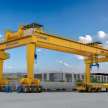

Large gantry cranes are vital pieces of equipment in industries such as shipbuilding, steel production, container handling, and heavy manufacturing. Their ability to lift, move, and place heavy loads with precision makes them indispensable. However, the safe and efficient operation of these cranes heavily depends on the competency of the operators. Operator errors can result in accidents, equipment damage, costly downtime, and even fatalities. Therefore, evaluating operator competency is critical to ensuring workplace safety and operational efficiency.
This article provides a comprehensive guide on how to evaluate operator competency in large gantry crane handling, covering essential skills, assessment methods, and best practices.
Understanding the Role of a Gantry Crane Operator
A gantry crane operator is responsible for controlling the crane to lift, move, and position heavy loads safely. The operator must understand the crane’s mechanics, safety protocols, load capacities, and operational environment. Large gantry cranes often involve complex operations such as:
- Handling oversized or irregular loads
- Operating cranes in confined or busy industrial areas
- Coordinating with ground personnel or other cranes
- Performing precision placement of heavy components
These tasks require not only technical knowledge but also situational awareness, decision-making ability, and experience. Therefore, evaluating an operator’s competency should go beyond simply verifying certifications—it should assess practical skills and judgment.
Key Competency Areas
Competency evaluation should focus on several core areas:
1. Technical Knowledge
Operators must have a deep understanding of the crane’s specifications, operating procedures, and load-handling capabilities. This includes:
Understanding load charts, safe working loads, and lifting capacities
Familiarity with the crane’s control systems, including hoist, trolley, and bridge functions
Knowledge of the crane’s safety systems such as limit switches, anti-sway mechanisms, and emergency stop functions
Awareness of environmental factors like wind conditions, ground stability, and overhead obstructions
Evaluating technical knowledge can involve written tests, quizzes, or scenario-based questioning to ensure the operator comprehends all safety-critical aspects of crane operation.
2. Practical Operation Skills
Hands-on proficiency is critical for safely handling large gantry cranes. Key operational skills include:
Smooth and precise load handling, including lifting, swinging, and lowering
Coordinated movement of the bridge, trolley, and hoist to avoid collisions
Proper rigging and securing of loads
Efficient load placement under constraints such as height limitations, narrow spaces, or moving targets
Practical skill evaluation is best conducted through supervised crane operation tests where the operator performs a series of tasks mimicking real operational conditions.
3. Situational Awareness
Large gantry cranes often operate in dynamic and complex environments. Operators must constantly assess their surroundings and respond appropriately. Competency evaluation should include:
Ability to monitor multiple variables, including load position, obstacles, and personnel
Judgement in adjusting crane speed, load handling, and approach angles
Awareness of risks posed by nearby equipment or other crane operations
Simulated scenarios or observation in actual work environments can effectively assess situational awareness.
4. Safety and Regulatory Compliance
Operator competency is inseparable from safety adherence. Essential aspects include:
Knowledge of occupational safety standards and regulations
Proper use of personal protective equipment (PPE)
Awareness of emergency procedures and incident reporting protocols
Understanding of lockout/tagout procedures during maintenance
Evaluation should involve both theoretical testing and practical demonstration of safe operating behavior.
5. Communication and Coordination
Operators rarely work in isolation. They often interact with riggers, signalers, supervisors, and other operators. Competency in communication includes:
Clear understanding and execution of hand signals or radio instructions
Ability to coordinate lifts with other personnel or cranes
Effective reporting of operational issues or potential hazards
This competency can be assessed through team-based exercises and scenario-driven evaluations.
Methods for Evaluating Operator Competency
A combination of assessment methods provides the most accurate picture of operator capabilities:
1. Written and Oral Assessments
These evaluations test the operator’s knowledge of crane specifications, load charts, safety protocols, and regulatory compliance. Scenario-based questions can assess decision-making and problem-solving skills.
2. Practical Performance Tests
Practical tests involve real or simulated crane operations under controlled conditions. Operators may be tasked with:
Lifting and moving loads of varying shapes and weights
Navigating the crane through tight spaces
Performing emergency stop or load release maneuvers
Observers evaluate performance based on criteria such as precision, speed, safety adherence, and decision-making.
3. Simulation-Based Training
Modern gantry crane simulators provide a safe environment for testing operators. They replicate real-world conditions, including weather effects, load dynamics, and operational hazards. Simulators allow evaluators to assess responses to high-risk scenarios without jeopardizing personnel or equipment.
4. On-the-Job Observation
Monitoring operators during actual work provides insight into their practical skills, situational awareness, and communication ability. Supervisors can use checklists or scoring systems to evaluate performance across various operational tasks.
5. Peer and Supervisor Feedback
Feedback from colleagues who regularly work with the operator can provide valuable information on interpersonal skills, coordination, and adherence to safety practices.
Developing a Competency Evaluation Framework
To ensure consistency and objectivity, organizations should establish a structured evaluation framework:
Define Competency Criteria – Identify the technical, operational, safety, and communication skills required for the crane type and operating environment.
Set Performance Standards – Establish measurable benchmarks for successful operation, such as precise load placement, adherence to speed limits, and error-free operation.
Combine Assessment Methods – Use a mix of written tests, practical exercises, simulation, and on-the-job observation.
Document Results – Maintain detailed records of assessments for certification, training, and compliance purposes.
Implement Continuous Assessment – Operator competency should be reviewed periodically to account for changes in equipment, processes, or regulatory requirements.
Importance of Competency Evaluation
Proper evaluation of gantry crane operators benefits organizations in several ways:
Safety Enhancement – Reduces the likelihood of accidents, injuries, and equipment damage.
Operational Efficiency – Skilled operators complete lifts more quickly and accurately.
Regulatory Compliance – Ensures adherence to local and international safety standards.
Training Needs Identification – Highlights areas where operators require further training.
Insurance and Liability – Demonstrates due diligence in maintaining skilled and certified personnel, potentially reducing insurance premiums and liability exposure.
Conclusion
Evaluating operator competency in large gantry crane handling is essential for ensuring workplace safety, operational efficiency, and regulatory compliance. A comprehensive evaluation strategy should assess technical knowledge, practical skills, situational awareness, safety practices, and communication abilities. By combining written assessments, practical tests, simulator training, on-the-job observation, and feedback mechanisms, organizations can accurately measure operator competency and identify areas for improvement.
Investing in competency evaluation not only safeguards personnel and equipment but also enhances productivity and minimizes costly operational disruptions. With proper evaluation frameworks in place, businesses can ensure that their gantry crane operations are conducted safely, efficiently, and reliably, supporting long-term success in heavy industrial operations.
About the Creator
Aicrane01
Welcome to the Aicrane Blog, your practical guide to lifting solutions. Discover articles covering overhead cranes, gantry cranes, winches, steel structures, boat lifts, and more.
Website: https://steelmillcranes.com/
The Ambies, Imperfectly: A Night of Good Intentions and Unfortunate Surprises
Originally published on Recognized.fm Awards shows do not fail because of a single bad decision. They fail because of accumulated ones. The 2026 Ambies, presented by the Podcast Academy, arrived carrying weight that had been building long before a single winner was announced, and a historic winter storm ensured that more people than ever were watching when that weight came due.
By recognized.fmabout 7 hours ago in Journal




Comments
There are no comments for this story
Be the first to respond and start the conversation.