
Energy-Saving Design Strategies for Workshop Overhead Cranes
Maximizing Efficiency and Reducing Costs Through Smart Design
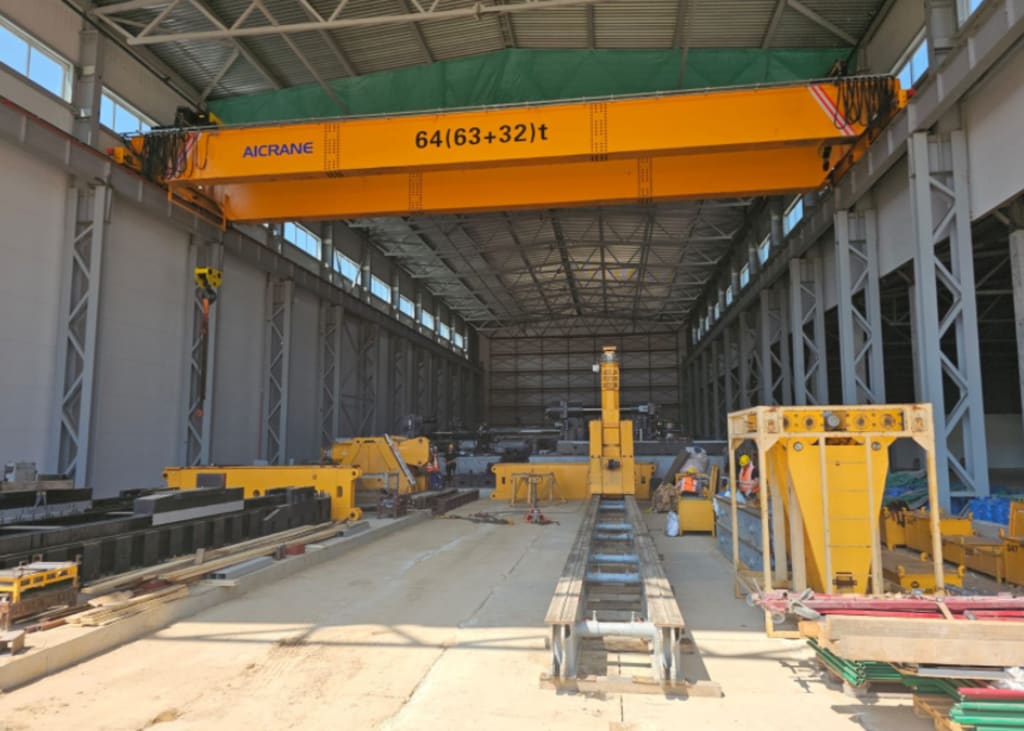
In modern industrial settings, workshop overhead cranes are essential tools for material handling, providing efficient lifting, moving, and positioning of heavy loads. However, with increasing energy costs and a growing focus on sustainability, optimizing the energy efficiency of overhead cranes has become a critical consideration for manufacturers and end-users alike. Implementing energy-saving design strategies not only reduces operational costs but also extends equipment life, improves safety, and supports corporate sustainability goals. This article explores key strategies to design and operate workshop overhead cranes in an energy-efficient manner.
Understanding Energy Consumption in Workshop Overhead Cranes
Before discussing energy-saving strategies, it is important to understand where energy is consumed in a typical workshop overhead crane. A crane’s primary energy consumers include:
Hoisting motors – responsible for lifting and lowering loads, often the largest energy consumer.
Trolley and bridge drives – enable movement along the runway and traverse of the load.
Auxiliary systems – including lighting, control systems, and braking mechanisms.
Losses – energy lost through friction in wheels, gears, mechanical linkages, and heat dissipation.
By identifying these key energy sinks, designers and operators can target interventions that reduce consumption without compromising performance.
High-Efficiency Motor Selection
Motors are the heart of any overhead crane. Traditional induction motors, while reliable, may not always be optimized for energy efficiency. To reduce energy consumption:
Choose high-efficiency motors: Premium-efficiency motors, often rated IE3 or IE4, consume less energy while delivering the same performance.
Use variable frequency drives (VFDs): VFDs control motor speed and torque based on real-time load requirements. Unlike standard motors that run at full speed continuously, VFDs adjust power consumption dynamically, resulting in significant energy savings, particularly in cranes with intermittent loads.
Consider regenerative hoist systems: When lowering loads, regenerative hoisting can convert kinetic energy back into electricity, which can either be fed back to the facility grid or reused by other crane drives.
Implementing high-efficiency motors and VFDs is often the most impactful strategy for reducing energy consumption in workshop overhead cranes.
Optimized Structural Design
The design of the crane itself significantly influences energy efficiency. A lighter, well-engineered structure reduces the power required for movement and lifting:
Lightweight yet strong materials: Using high-strength steel or aluminum alloys in the bridge girder, trolley, and end trucks reduces overall weight while maintaining structural integrity.
Optimized beam design: Double girder or box girder designs can be engineered to balance strength and weight, minimizing energy needed to move the crane along the runway.
Reduced friction in wheel and bearing assemblies: Low-resistance wheels, proper lubrication, and precision bearings reduce the energy lost due to friction.
A structurally optimized crane not only consumes less energy but also enhances durability and reduces wear on mechanical components, further lowering maintenance-related energy costs.
Efficient Hoist and Gearbox Systems
The hoist system is a critical component of energy consumption. Efficient design here can provide substantial savings:
Low-loss gearboxes: Selecting high-efficiency, precision-engineered gearboxes ensures minimal energy is lost in transmission. Helical or planetary gears, for example, offer better efficiency than traditional spur gears.
Energy-saving hoist drums: Modern hoist drums are designed to minimize rotational inertia and reduce energy needed to start and stop loads.
Load-adaptive hoisting: Advanced control systems adjust motor output according to load weight, preventing overconsumption of energy during light lifting operations.
Combining high-efficiency hoists with regenerative braking capabilities further maximizes energy recovery, particularly in facilities with frequent lifting and lowering cycles.
Smart Control and Automation Systems
Integrating intelligent control systems into workshop overhead cranes can optimize energy use across all operational modes:
Programmable lifting and travel profiles: Modern controllers allow operators to predefine movement profiles for speed, acceleration, and deceleration, reducing unnecessary power spikes.
Load monitoring: Sensors that detect load weight can prevent over-powering motors and help maintain energy-efficient operation.
Automation and predictive maintenance: Automated cranes can optimize energy use by coordinating movements, avoiding idle running, and minimizing peak power demand. Predictive maintenance systems ensure components operate efficiently, preventing energy losses due to wear or misalignment.
The integration of smart control systems can lead to energy savings of 15–30% in typical workshop crane operations.
Energy-Efficient Braking Systems
Traditional mechanical or electrical braking systems often dissipate energy as heat, which is wasted. Energy-efficient alternatives include:
Regenerative braking: Converts kinetic energy from deceleration into electrical energy for reuse. This is particularly useful in cranes with frequent start-stop cycles or heavy load handling.
Dynamic braking with energy recovery: Unlike standard dynamic brakes that waste energy, these systems feed recovered energy back into the crane’s power network or a storage system.
Soft-stop braking: Reduces peak current draw during deceleration, lowering instantaneous energy demand and extending motor life.
Efficient braking systems not only conserve energy but also reduce heat generation, improving workplace safety and minimizing cooling requirements.
Optimal Power Supply and Distribution
The method of supplying power to the crane can also affect overall energy efficiency:
Busbar systems: Continuous busbar systems offer lower resistance and more stable voltage supply than festoon cable systems, reducing energy loss.
Cable management and quality: High-quality cables with minimal resistance reduce line losses, particularly in long-run workshop setups.
Voltage and phase optimization: Ensuring the crane receives the correct voltage and phase alignment prevents energy wastage and reduces motor stress.
Careful planning of the crane’s power infrastructure is a simple but often overlooked strategy for energy conservation.
Operator Training and Best Practices
Even the most advanced energy-saving design can be undermined by inefficient operation. Training operators to follow energy-conscious practices is essential:
Avoiding unnecessary idling of the crane.
Using smooth, controlled acceleration and deceleration.
Proper load handling and travel route planning to minimize crane movements.
Reporting maintenance issues promptly to prevent energy losses due to component wear or malfunction.
Operator awareness and adherence to best practices complement technical energy-saving strategies and ensure optimal efficiency in daily operations.
Sustainability Benefits and Cost Implications
Implementing energy-saving design strategies not only reduces operational costs but also enhances sustainability credentials:
Lower electricity consumption reduces greenhouse gas emissions.
Less heat generation and wear improve environmental and workplace safety.
Potential eligibility for energy-efficiency grants, tax incentives, or green certifications.
Financially, energy-efficient cranes can pay back the initial investment within a few years through lower electricity bills and reduced maintenance costs. Over the crane’s lifecycle, energy savings can account for a significant portion of total operational expenditures.
Conclusion
Designing energy-efficient workshop overhead cranes requires a holistic approach that considers motor selection, structural optimization, hoist efficiency, control systems, braking methods, power supply, and operator practices. By adopting high-efficiency motors, regenerative hoisting, lightweight structures, smart automation, and optimal power distribution, overhead crane manufacturers and facility managers can significantly reduce energy consumption, lower operational costs, and support sustainability initiatives.
In today’s competitive industrial environment, energy-saving design strategies are no longer optional—they are a necessity. A well-designed, energy-efficient overhead crane not only delivers reliable and safe performance but also provides measurable economic and environmental benefits, contributing to a smarter and more sustainable industrial future.
About the Creator
Aicrane01
Welcome to the Aicrane Blog, your practical guide to lifting solutions. Discover articles covering overhead cranes, gantry cranes, winches, steel structures, boat lifts, and more.
Website: https://steelmillcranes.com/
~ Fired ~
— Ai Intrusion ~ Are you Next ~ Is Ai Evolution after your job? — Few workplaces haven't been affected. Ai is in supermarkets, at doctors' offices, and even monitoring farms. I just can't think of anything this machine is not getting into, can you? For instance: Education ~ Law and Tech jobs will one day have a major influence or be taken over by these inanimate machines, with accuracy and vigor. From mechanics' diagnoses to a wide variety of everyday jobs, including fast food workers, with this input having the ability to cut their unnecessary work hours. I'm certain all of us have been touched by this with our short stories and colorful headings, have you? Even comments are very questionable 'Non-Robot' insertions.
By Jay Kantor28 days ago in Journal
When the Shelter Closes
Across the street from my house, a man slept under a tree, his dog by his side. My first, naive thought: he must be traveling through. But he kept coming back, often sleeping there during the day. Then it hit me—that person might not have a home.
By Bride of Sound3 days ago in Humans


Comments
There are no comments for this story
Be the first to respond and start the conversation.