
How to Design for Overload Protection in Heavy Duty Overhead Cranes
Ensuring safety in heavy lifting

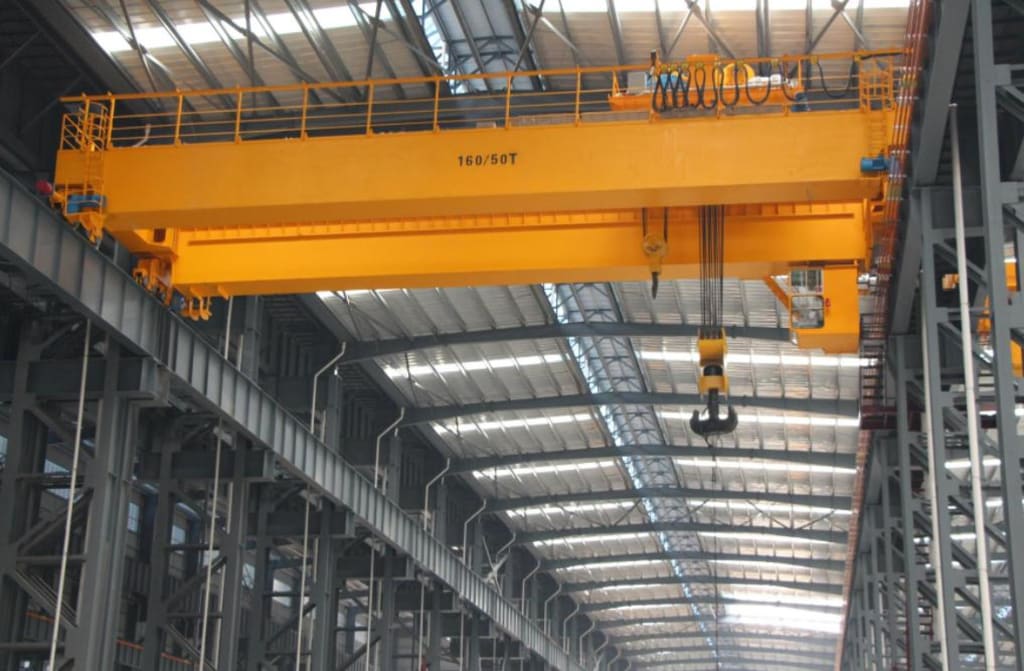
Heavy duty overhead cranes are critical in industrial environments, such as steel plants, power stations, shipyards, and manufacturing facilities, where they handle extremely heavy and sometimes irregular loads. In such applications, ensuring safe lifting operations is of paramount importance. One of the most crucial aspects of crane safety is overload protection—the process of preventing cranes from lifting more than their rated capacity. Designing for overload protection not only safeguards personnel and property but also extends the lifespan of crane components and reduces the risk of operational downtime.
This article explores the principles, methods, and technologies used to design effective overload protection systems in heavy duty overhead cranes.
Understanding Overload and Its Risks
What is Overload?
Overload occurs when the weight of the load being lifted exceeds the rated lifting capacity of the heavy duty overhead crane or its components. This situation can arise due to several factors, such as operator error, incorrect load estimation, equipment malfunction, or structural fatigue.
Why is Overload Dangerous?
An overloaded crane is vulnerable to a range of serious consequences, including:
Structural failure of crane components such as hoists, ropes, hooks, or beams
Excessive wear and tear leading to costly maintenance or replacements
Tipping or collapsing of the crane, especially in mobile or rail-mounted models
Accidents causing injuries or fatalities to workers
Production delays and potential legal consequences
Therefore, designing for overload protection is not just a regulatory requirement but also a practical necessity.
Key Design Considerations for Overload Protection
1. Accurate Load Rating and Classification
Before incorporating any protection mechanism, the crane must be designed and classified according to established standards such as FEM, CMAA, or ISO. The duty class or work duty (e.g., A5, A6, A7) determines the allowable lifting frequency and loading intensity.
Each crane must have a clear rated capacity that matches its intended application. For example, a 50-ton overhead crane in steel mill may have a different overload design requirement compared to a 50-ton crane used occasionally in a warehouse.
2. Load Monitoring Systems
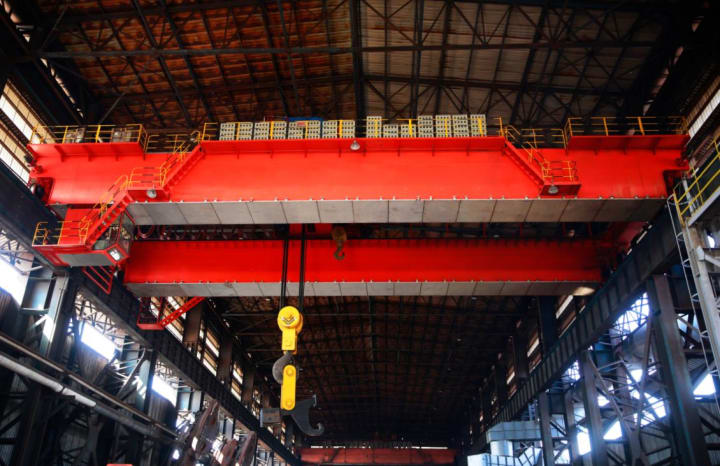
One of the first lines of defense in overload protection is real-time load monitoring. Load monitoring devices measure the actual weight of the load being lifted and compare it with the rated capacity.
Common Devices Include:
Load cells: Positioned in the hook block, rope dead end, or between the crane structure and hoist mechanism.
Strain gauge sensors: Installed in structural members to detect stress and strain.
Dynamometers: Portable devices for testing and calibration.
Modern load monitoring systems can be integrated with the crane’s control system to trigger alarms, warnings, or automatic cut-offs when overload is detected.
Mechanical Overload Protection Mechanisms
1. Slip Clutches or Torque Limiters
Installed in the hoisting mechanism, slip clutches or torque limiters disengage the motor when excessive torque is applied, preventing further lifting. These are particularly effective for electric wire rope hoists.
2. Shear Pins
A shear pin is a mechanical fuse that breaks under a pre-determined load. Once broken, it disconnects the drive mechanism, halting the hoisting operation. While simple, this method requires manual replacement after activation.
3. Mechanical Overload Limit Switches
These switches are set to trip at a specific load threshold and are typically used as a fail-safe in mechanical systems. They can be adjusted during crane commissioning or maintenance.
Electrical and Electronic Overload Protection
1. Overload Relays
Installed in the crane's electrical control panel, thermal or electronic overload relays detect excess current in the hoist motor circuit. When an overload is detected, the relay interrupts the circuit to prevent motor damage.
2. Programmable Logic Controllers (PLCs)
Modern heavy-duty cranes often use PLCs to integrate and process data from load sensors, limit switches, motor drives, and other inputs. PLCs allow for intelligent control responses, such as:
Issuing warnings when the load approaches 90% of capacity
Disabling lifting functions beyond 100% capacity
Logging overload incidents for later analysis
Remote monitoring and diagnostics
3. Variable Frequency Drives (VFDs)
VFDs can be configured to monitor torque and current draw, enabling them to act as an intelligent overload protection device. They also provide smoother acceleration and deceleration, reducing the risk of dynamic overloading caused by jerky motions.
Redundancy and Fail-Safe Design
Designing for overload protection should always follow the principle of redundancy. Relying on a single protective device is risky, especially in critical lifting environments.
Best practices include:
Combining mechanical and electronic systems (e.g., load cell + overload relay)
Providing manual reset capability only after the root cause is addressed
Including audible and visual alarm systems to alert operators
Using dual brake systems for high-capacity cranes
Operator Training and Human Factors
Even the most sophisticated overload protection systems can be compromised by human error. Effective overload protection must therefore include:
Operator training on safe load handling procedures
Clear labeling of load limits
Use of load charts or digital load displays
Strict enforcement of safety protocols and lockout/tagout procedures
Many crane manufacturers also offer remote diagnostics and monitoring features, enabling supervisors or service providers to track overload events and operator behavior in real time.
Compliance with Standards and Regulations
Overhead crane overload protection must comply with international and local safety standards, including:
ASME B30.2 (Overhead and Gantry Cranes)
OSHA 1910.179 (U.S. Regulations)
ISO 12482 (Condition monitoring for cranes)
CMAA Specification 70 and FEM 1.001
These standards provide guidelines on allowable tolerances, design requirements, maintenance, and testing of overload protection systems.
Periodic Testing and Maintenance
Designing for overload protection doesn't end with installation. Regular inspection and testing are crucial to ensure all components function correctly under real-world conditions.
Recommended practices include:
Annual or semi-annual load testing (typically up to 125% of rated load)
Calibration of load monitoring sensors
Functional testing of limit switches and relays
Visual inspection of mechanical fuses and shear pins
Predictive maintenance programs can also help identify potential overload conditions before they occur, especially when integrated with IoT-based monitoring systems.
Conclusion
Designing for overload protection in heavy-duty overhead cranes is a multi-layered process that combines engineering, electronics, human factors, and regulatory compliance. By incorporating reliable load monitoring, mechanical and electrical safeguards, intelligent control systems, and robust operator training, manufacturers and users can drastically reduce the risk of overload-related accidents.
An effective overload protection design ensures not only safety and regulatory compliance but also operational efficiency and extended equipment life—making it an essential investment for any industrial lifting operation.
About the Creator
Aicrane01
Welcome to the Aicrane Blog, your practical guide to lifting solutions. Discover articles covering overhead cranes, gantry cranes, winches, steel structures, boat lifts, and more.
Website: https://steelmillcranes.com/
How to Unwind After a Day of Discovery in Siem Reap with Exclusive Spa Treatment
After a long day of exploring ancient ruins and jungle trails in Siem Reap, your body will likely feel the weight of every step. The heat and humidity of Cambodia can be draining, making a post-discovery wind-down essential. Finding the right way to relax ensures you wake up ready for the next day of adventure.
By Jeewanthi Armstrong2 days ago in Journal
The $152B Ice Cream Market Is Changing Fast
The freezer door opens with a familiar chill. A spoon scrapes gently across the top of a fresh tub, carving out a creamy swirl of chocolate, vanilla, or mango. For a brief moment, everything slows down, stress fades, and the sweetness feels like a small celebration.
By Harvey Specter2 days ago in Journal
Lycan Lore
As the students of my 10am mythology class take their seats, I decide to steer the day's curriculum away from Greek and dive into a Western European discourse on the misaligned beliefs of the Werewolf. A tale of truth or fiction. No one really knows.
By Lamar Wigginsabout 2 hours ago in Fiction




Comments (1)
This article on overload protection in heavy-duty cranes is spot-on. I've seen firsthand how crucial it is in industrial settings. You mention factors like operator error. How do you think we can better train operators to avoid overloading? Also, what's the latest in overload protection tech? Another key point is accurate load rating. How can we ensure it's always precise? Maybe through better sensors or more regular inspections? This is vital for preventing those dangerous overload situations.