
How to Create an Ergonomic Workstation for Your Philippine Office
Ergonomic Workstation

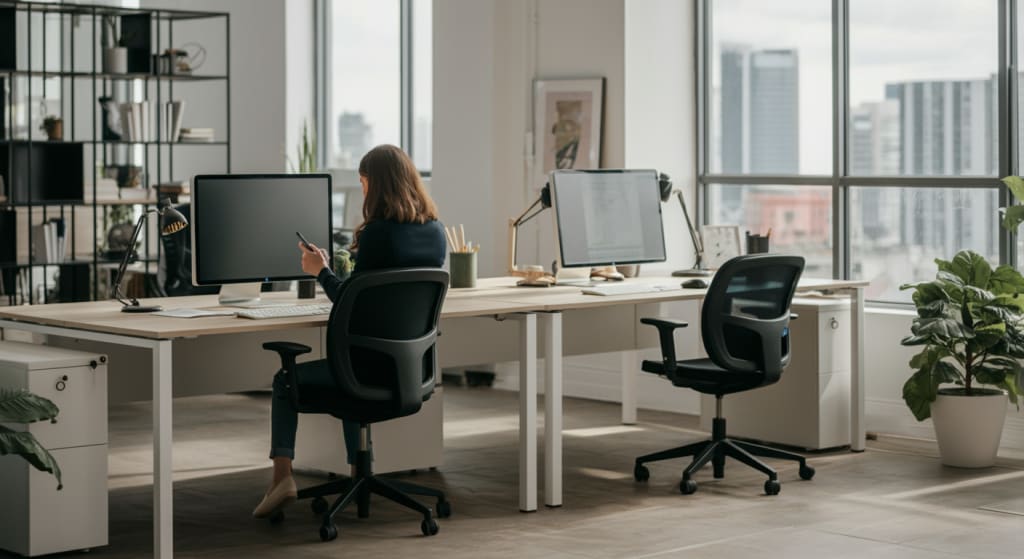
Setting up an ergonomic workstation isn’t just a trend it’s a necessity for creating productive and healthier workspaces. Whether you’re designing an office for a startup, revamping a corporate setup, or curating a space specially designed for remote workers in the Philippines, ergonomics should be at the forefront of your planning.
This guide dives into practical strategies for designing ergonomic workstations tailored to the unique needs of Filipino workplaces. We’ll cover everything from choosing the right furniture to addressing environmental factors like lighting and air circulation all aimed at making offices healthier and more efficient.
Why Ergonomics Should Be Your Priority in the Philippines
Poor workspace ergonomics are more than just uncomfortable; they’re costly. Research shows that uncomfortable employees are less productive and more prone to health issues like back pain, eye strain, and repetitive strain injuries (RSIs). Especially in the context of the Philippines where workers often spend long hours seated due to extended work shifts a poorly designed workstation could result in burnout, absenteeism, and even long-term physical problems.
By creating ergonomic workstations, you:
- Boost employee productivity.
- Prevent workplace injuries and long-term health problems.
- Create a more inviting and professional work environment.
- Establish a reputation as an organization that values employee well-being.
Essential Components of an Ergonomic Workstation
1. Start with an Ergonomic Chair
The chair is the foundation of any ergonomic workstation. Prolonged sitting is common in Philippine offices, especially in industries like BPOs (business process outsourcing). An ergonomic chair can help maintain good posture and reduce physical strain.
What to look for in a chair:
- Adjustable seat height: The seat should allow the employee’s feet to rest flat on the floor, knees bent at a 90-degree angle.
- Lumbar support: A contoured backrest supports the natural curvature of the spine, preventing lower back pain.
- Swivel base: Chairs with a swivel base and caster wheels make it easier to move and adjust positions without strain.
Invest in trusted ergonomic chair brands such as Stance Philippines or OFC Station by AllHome. These are readily available in the Philippines.
2. Choose the Right Desk
The perfect desk works in harmony with the ergonomic chair. Whether it’s for collaborative work settings or personal stations, desks need to strike a balance between functionality and comfort.
Desk guidelines:
- Correct height: Standard desks are typically around 28-30 inches tall. Look for adjustable desks to cater to employees of all heights.
- Enough space: Ensure there’s plenty of room to accommodate laptops, external monitors, documents, and other tools without cluttering the surface.
- Standing desk options: For a healthier alternative, consider providing sit-stand desks. Research shows that alternating between sitting and standing can improve productivity and reduce health risks.
3. Optimize Monitor Placement
Staring at a monitor that’s too high or too low can strain the eyes and neck. Many Filipinos rely on laptops, but using them without ergonomic adjustments can affect posture.
Tips for monitor placement:
- Place monitors at eye level to avoid bending the neck. Invest in monitor stands or adjustable arms.
- Maintain a distance of 20-24 inches from the screen. This is roughly an arm’s length.
- Use an anti-glare screen to reduce eyestrain, especially since tropical sunlight can be harsh in the Philippines.
4. Invest in a Good Keyboard & Mouse
Even small equipment like keyboards and mice impact workplace ergonomics tremendously. A poorly designed keyboard or mouse leads to repetitive strain injuries over time.
Preferred features:
- Keyboard: Opt for a split or ergonomic keyboard that positions the user’s hands naturally. Keep the wrists flat to avoid strain.
- Mouse: Choose ergonomic mice with a vertical or curved design to align the wrist naturally. Ensure there’s enough desk space for free movement.
5. Improve Lighting Conditions
Lighting is often an overlooked aspect of ergonomic planning but plays a crucial role in employee comfort and productivity. Offices in the Philippines often have ample natural light, but it needs to be controlled effectively.
Lighting tips:
- Combine natural light with task lighting for specific needs.
- Avoid glares by using adjustable blinds or curtains, especially during peak hours where the sun is intense.
- Incorporate energy-efficient LED overhead lights. LEDs emit bright, consistent lighting while being cost-effective.
6. Address Noise and Air Quality
Ergonomics isn’t limited to desks and chairs. Environmental factors like noise and air quality impact employees’ ability to focus and maintain comfort throughout the day.
Noise control strategies:
- Install acoustic panels or noise-canceling partitions to reduce sound disruptions. These are particularly useful in open-plan offices or coworking spaces.
- Provide noise-canceling headphones as an alternative solution.
Improving air quality:
- Add indoor plants like pothos or peace lilies. Not only do they clean indoor air, but they also create a calming atmosphere.
- Ensure adequate ventilation, and consider installing air purifiers, especially in Metro Manila where air pollution is more prevalent.
Budget-Friendly Ergonomics for Small Businesses
What if your budget is tight? Ergonomic solutions don’t have to break the bank! Here are practical tips for small offices and startups in the Philippines:
- Purchase ergonomic add-ons like portable laptop stands or lumbar cushions instead of replacing all furniture.
- Check local deals or sellers in places like Divisoria, Lazada, or Shopee for affordable ergonomic tools.
- Repurpose existing furniture creatively. For example, a simple stack of books can elevate monitors to eye level.
- Taking small steps toward ergonomics builds the foundation for better workplace efficiency.
The Ripple Effect of Ergonomics in the Philippines
Designing an ergonomic office today leads to long-term benefits later not just for employees but for businesses themselves. When workers feel comfortable, they perform better, which leads to increased productivity and cost savings for organizations.
Start integrating ergonomic workstations into your Philippine office design today and see how it transforms your workspace. Remember, ergonomics is not just an investment it’s a commitment to the health, well-being, and success of everyone in the workplace.
About the Creator
Martin L Hauk
Martin is a visionary storyteller with a passion for exploring the world through words. With a keen eye for detail and a creative soul, he brings life to every project he touches.
Keep reading
More stories from Martin L Hauk and writers in Journal and other communities.
How Residential Window Tinting Improves Interior Comfort
When thinking about ways to make your home more comfortable, window tinting likely isn’t the first solution that comes to mind. However, this often-overlooked upgrade can transform your living space in ways you may not have considered. Whether you’re a DIY enthusiast looking for a weekend project, someone passionate about energy efficiency, or an interior design lover focused on aesthetics, residential window tinting offers solutions tailored to your needs.
By Martin L Haukabout a year ago in Journal
China to Invest Up to $10bn in Pakistan with New Agreements
A new chapter in Sino‑Pak economic cooperation as billions in investments set to flow into key sectors In a significant development for Pakistan’s economy, China is poised to invest up to $10 billion in Pakistan under a series of newly signed agreements and memorandums of understanding (MoUs). This move reflects renewed confidence by Chinese investors and policymakers in Pakistan’s economic potential, as well as Islamabad’s commitment to attracting foreign direct investment (FDI). The announcement, made by Pakistan’s Federal Minister for Investment, Qaiser Ahmed Sheikh, signals a potential surge in bilateral cooperation across several key sectors including agriculture, mining, automotive production and infrastructure development.
By Salaar Jamali2 days ago in Journal



Comments
There are no comments for this story
Be the first to respond and start the conversation.