
How to Choose the Right Self-Loading Mixer for Your Project
Finding the Ideal Self-Loading Mixer for You
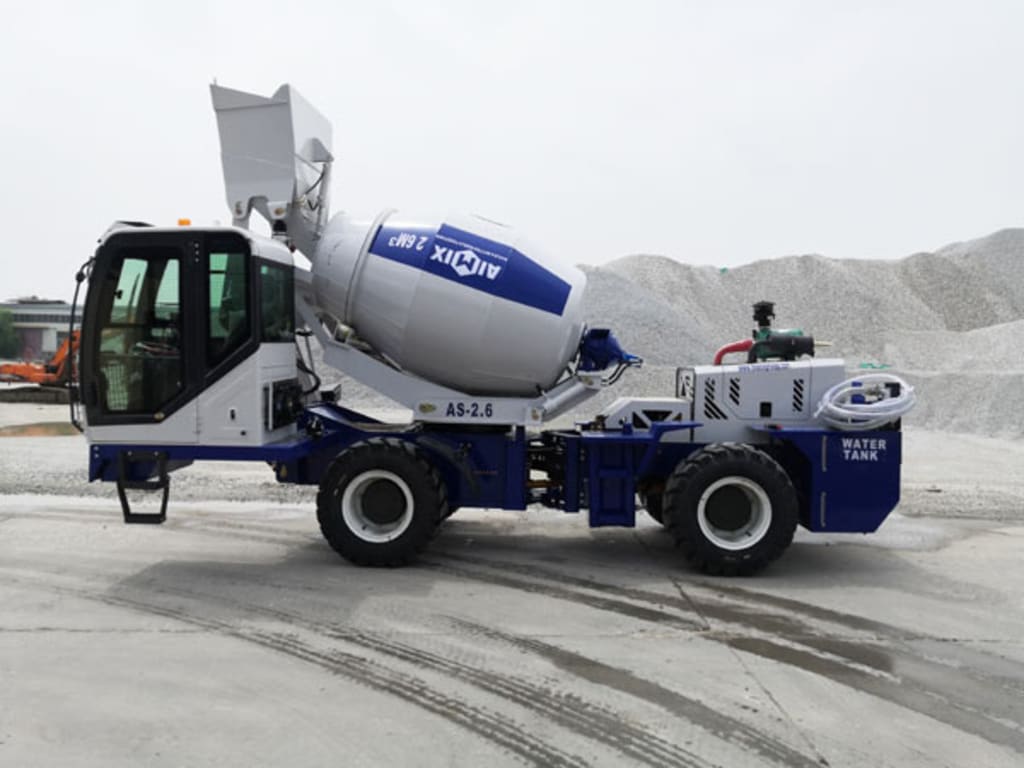
Choosing the right self-loading mixer can make a huge difference in your project’s success. These versatile machines are designed to streamline the concrete mixing process, combining multiple tasks into one efficient unit. However, with so many options available, finding the ideal self-loading mixer for your specific needs can feel challenging. This guide will help you identify the key factors to consider when choosing a self-loading mixer for your project.
1. Assess Your Project Requirements
The first step in choosing a self-loading mixer is understanding your project’s needs. Consider the scale, location, and type of concrete required. If you have a large project, you may need a mixer with a larger drum capacity. On the other hand, smaller jobs might benefit from a compact and lightweight mixer. By understanding your project requirements, you can better match the mixer’s specifications to your needs, ensuring maximum efficiency.
Determine Concrete Volume
Estimate the amount of concrete needed for your project. Different mixers have varying drum capacities, typically ranging from 1 to 4 cubic meters. For large projects, a mixer with a higher capacity can save time by reducing the number of batches needed. Conversely, smaller projects may only require a lower-capacity mixer. Matching the mixer’s drum size to your project volume ensures smooth, uninterrupted operation.
Consider Job Site Accessibility
Evaluate the terrain and space available at your job site. Self-loading mixers come in different sizes and configurations, and choosing the right one depends on accessibility. For sites with rough or uneven ground, consider a mixer with four-wheel drive. In tight spaces, a compact mixer with excellent maneuverability will perform better. This consideration allows for smoother operation and fewer disruptions on-site.
2. Choose the Right Drum Capacity
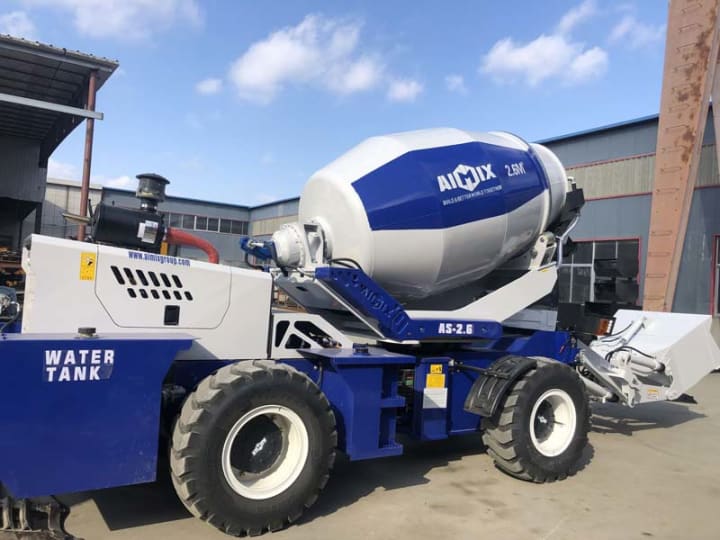
Drum capacity is one of the most critical factors when selecting a self-loading concrete mixer. The capacity you need depends on your project’s size and scope. Larger drums can mix more concrete at once, which reduces the need for frequent refills. However, larger drums can be heavier and harder to maneuver in smaller spaces. Selecting the correct drum capacity based on your project size optimizes productivity and workflow.
Balance Size and Maneuverability
Larger drum capacities offer more productivity for bigger projects. However, they can be more challenging to maneuver. If your project site has limited space or requires high maneuverability, consider a mixer with a smaller drum size that can easily navigate tight areas. Balancing size and maneuverability ensures that you choose a mixer that suits both productivity and operational ease.
Look for Efficient Mixing Systems
Different mixers use varying mixing systems, which can impact concrete consistency. Some self-loading mixers feature advanced mixing technology, ensuring consistent and uniform concrete. If your project demands high-quality concrete, opt for a mixer with an efficient mixing system. Consistent mixing reduces the risk of weak concrete and enhances project durability.
3. Evaluate Engine Power and Fuel Efficiency
Engine power plays a significant role in the performance of self-loading mixers. Choose a mixer with enough horsepower to handle your project’s demands. Powerful engines enable faster operation, which is essential for larger projects. At the same time, fuel efficiency is crucial for cost management. Select a mixer that balances engine power with fuel economy for better operational cost control.
Consider Site Terrain
If your site has rough or hilly terrain, you may need a mixer with higher engine power. More power ensures the mixer can handle steep slopes and uneven ground without issues. For flat and accessible sites, a standard engine power may suffice, helping save fuel. Matching engine power to terrain type can prevent unnecessary fuel consumption and improve performance.
Check Fuel Options
Self-loading mixers typically run on diesel engines, which are durable and powerful. Some newer models offer hybrid or electric options, providing greater fuel efficiency and lower emissions. If sustainability is a priority for your project, consider these options. Choosing a mixer with the right fuel option can help you reduce costs and environmental impact.
4. Review Safety Features
Safety is essential when operating any heavy machinery. Self-loading mixers come with various safety features designed to protect operators and ensure smooth operation. Look for mixers with features such as anti-lock brakes, automatic shut-off systems, and visibility enhancements. These features not only improve safety but also help avoid costly accidents.
Visibility and Control
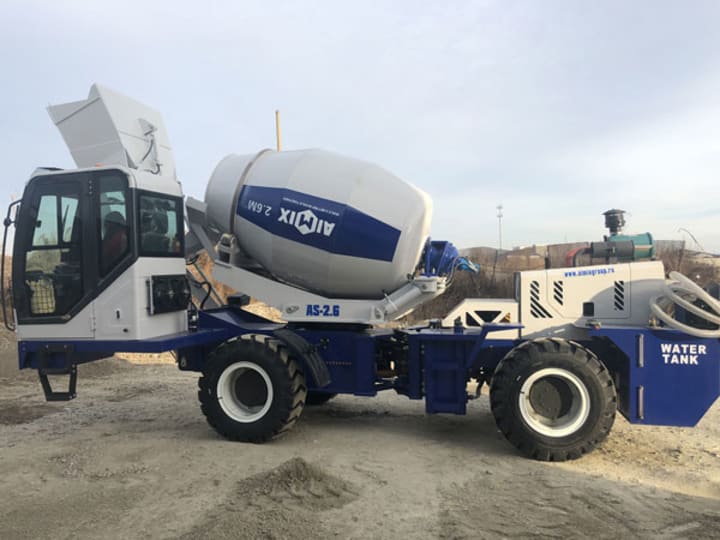
Choose a mixer that offers good visibility and control for the operator. Some models include rotating seats and high visibility cabins, allowing operators to see all angles of the job site. This improves maneuvering and helps avoid obstacles, reducing the risk of accidents. Enhanced visibility makes operating the mixer easier and safer on complex sites.
Stability and Anti-Tipping Mechanisms
Stability is critical, especially on uneven ground. Many self-loading mixers come with anti-tipping mechanisms that help keep the mixer stable during operation. This feature reduces the risk of accidents on challenging terrains. Selecting a mixer with these safety measures provides peace of mind and enhances safety for your team.
5. Prioritize Maintenance and Support
Maintenance is crucial for keeping your self-loading mixer in optimal condition. Look for a mixer that is easy to maintain and comes with good support options. Many reputable brands offer readily available parts and technical support. This simplifies repairs and reduces downtime, ensuring your project stays on schedule.
Check Warranty and Service Options
A good warranty and reliable service options are essential. Reputable brands often provide warranties covering parts and labor. This coverage helps manage repair costs over time. Additionally, check if the manufacturer offers local service centers or mobile support, which can reduce downtime and keep your project moving efficiently.
Easy Access to Parts
Choose a mixer from a brand with easy access to replacement parts. If your mixer needs repairs, having parts readily available can speed up the process. Fast access to parts prevents delays and keeps the mixer running smoothly, supporting your project timeline.
6. Compare Brands and Reviews
Comparing brands and reading reviews can give you valuable insights into the performance and reliability of different self-loading mixers. Look for brands with a strong reputation in the industry. Customer reviews can highlight any recurring issues or benefits of specific models, helping you make an informed choice.
Check Industry Reputation
Some brands are known for producing reliable, high-quality self-loading mixers. Look for industry-recognized brands with a history of satisfied customers. Choosing a reputable brand provides added confidence that your mixer will meet your expectations and perform reliably on the job.
Consider Customer Testimonials
Customer testimonials offer firsthand insights into the mixer’s performance and durability. Look for feedback on aspects such as engine power, fuel efficiency, and ease of use. Positive reviews often indicate that the mixer can meet diverse project needs and perform effectively over time.
Conclusion
Choosing the right self-loading mixer can significantly impact the success of your project. By considering your project requirements, drum capacity, engine power, safety features, maintenance needs, and brand reputation, you can select a mixer that fits your project perfectly. A carefully chosen mixer ensures efficiency, cost savings, and reliable performance, making it a valuable asset for any construction project.
About the Creator
Aimixmachine
AIMIX is a customer-center-oriented heavy equipment manufacturer and supplier, devoted to production, innovation, combination, one-stop solution, etc.
Keep reading
More stories from Aimixmachine and writers in Journal and other communities.
Top Benefits of Using a Concrete Mixer Self-Loading
Self-loading concrete mixers have become essential in the construction industry. They simplify the mixing process, save time, and reduce costs. For construction managers, contractors, and business owners, understanding the benefits of these machines is crucial. In this article, we’ll explore the top benefits of using a self-loading concrete mixer.
By Aimixmachineabout a year ago in 01
The Early Church Fathers and Why Their Writings Matter Today
The Early Church Fathers are some of the most important figures in the history of Christianity. Their writings, letters, sermons, and theological reflections helped define the beliefs, practices, and structure of the Church in the centuries following Christ. Understanding who the Church Fathers were and why their works matter today is essential for anyone seeking to understand Catholic teaching, tradition, and the roots of Christian faith.
By Sound and Spirit7 days ago in Journal


Comments
There are no comments for this story
Be the first to respond and start the conversation.