
How to Choose the Right Plumber for Your Home
Essential Tips for Finding a Trustworthy and Qualified Plumber in the UK

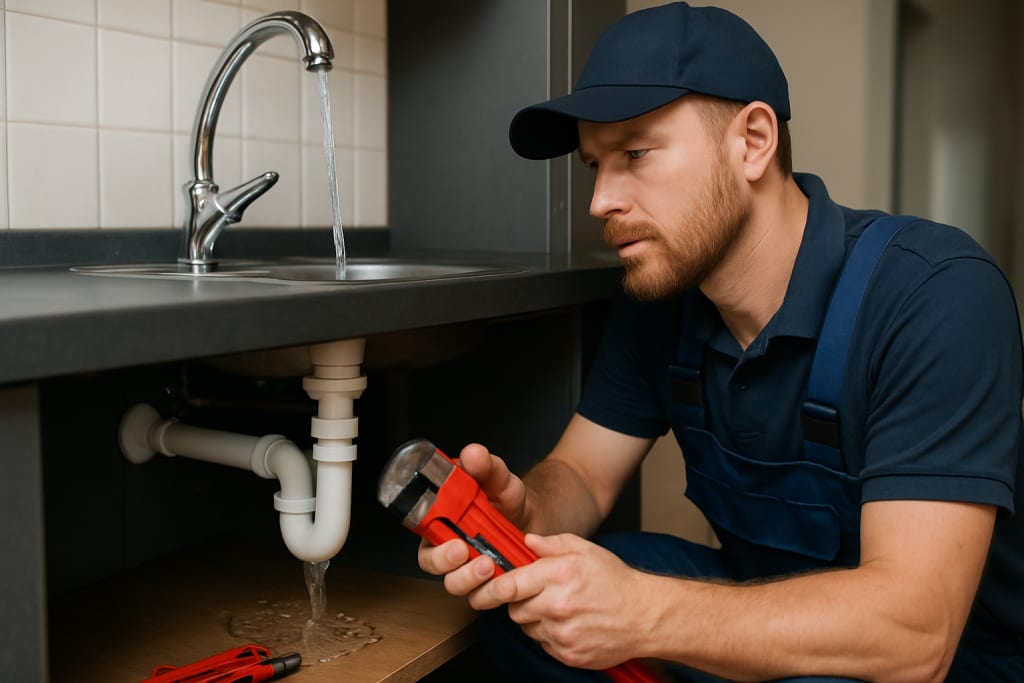
A leaking pipe or a faulty boiler always seems to happen at the worst possible time. When water starts seeping into your kitchen floor or the radiators go cold in the middle of a frosty morning, finding someone trustworthy to fix it becomes a top priority.
But not all plumbing services are created equal, and choosing the wrong one can cost far more than just a few pounds.
This guide will discuss how to confidently choose a reliable plumber in the UK—one who’ll do the job properly, charge fairly, and leave your home in good order.
Look for Proper Qualifications and Licensing
Before letting anyone work on your pipes or heating system, it’s essential to check that they’re properly qualified and hold the correct licences.
A certified plumber in the UK will typically hold an NVQ Level 2 or 3 in plumbing and heating, along with registration with a recognised trade body such as CIPHE or Gas Safe (for gas-related work).
These credentials are more than just paperwork—they confirm that the plumber has undergone the necessary training and assessments to handle domestic systems safely and legally.
Hiring an unqualified person might seem cheaper in the short term, but it increases the risk of leaks, poor workmanship, and safety hazards. It also makes it difficult to claim insurance if things go wrong.
Always ask to see a plumber’s credentials before work begins. A reputable professional will be happy to provide them and explain their experience.
Ensure They Have Adequate Insurance
Another critical step is to confirm that your plumber carries appropriate insurance. Public liability insurance protects your property in case of accidental damage during the job, while employer’s liability insurance is required if they have a team.
If your plumber gets injured while working on your property or causes unintentional damage to your floors, ceilings, or fixtures, insurance ensures that you’re not left footing the bill. You can ask to see a copy of their insurance certificate or simply confirm the details before they begin.
It’s a simple question that provides real peace of mind.
Read Customer Reviews for Insight into Their Work Ethic
Checking online reviews can reveal a great deal about a plumber’s reliability and overall service quality. While a five-star rating can be reassuring, it’s the detailed feedback that really matters.
Look for reviews on independent UK platforms such as Trustpilot, Checkatrade, or Google Reviews. These often include specifics about how well the plumber communicated, whether they arrived on time, how tidy they left the home, and how they handled unexpected problems.
If several customers mention that a plumber solved a tricky leak quickly or explained the work clearly, that’s a good indication of professionalism.
Customer reviews also offer clues about whether the plumber sticks to quoted prices, handles emergencies reliably, and behaves respectfully in the home. Take the time to read a range of reviews rather than focusing only on the top few.
Ask for Detailed, Transparent Quotes
Getting quotes from more than one plumber is wise—particularly for larger or more complex jobs. It helps you understand the going rate and avoid overpaying. But make sure the quotes you collect are detailed and transparent.
A proper quote should break down the cost of labour, materials, and any additional charges such as call-out fees or weekend rates. Avoid anyone who offers a vague estimate without inspecting the job or refuses to put it in writing.
This level of clarity protects you from hidden costs and helps you compare different plumbers fairly. It also gives you a written agreement that you can refer back to if there’s any confusion later on.
Speak to Previous Clients for Direct Feedback
While online reviews are useful, speaking directly to a plumber’s previous clients can be even more helpful. A brief phone call can reveal how well the plumber communicated during the job, whether they kept to their schedule, and how they handled any complications.
Clients might share whether the plumber arrived when promised, clearly explained any unexpected issues, or followed up to ensure everything worked properly. This kind of personal insight is particularly valuable when you're hiring someone for a larger job or ongoing project.
Most reputable plumbers will be happy to provide a couple of references. If they hesitate or make excuses, that’s often a red flag. Taking ten minutes to speak with a past customer can give you confidence in your decision—and potentially save you from hiring someone unreliable.
Prioritise Plumbers Who Offer a Warranty
When a plumber offers a warranty on their work, it shows they stand behind the quality of what they do. Warranties give you protection if something goes wrong after the job is done—such as a repaired pipe leaking again or a new boiler failing within a few months.
It’s not just about avoiding extra costs. A warranty gives you confidence that if an issue arises, the plumber will return to fix it without hesitation. It also suggests they use durable parts and follow best practices, rather than rushing through the job.
Always ask what kind of warranty is included and how long it lasts. Some plumbers offer a standard 12-month guarantee on workmanship, while others may extend this depending on the type of repair or installation. Having this in writing offers long-term peace of mind.
Build a Working Relationship Based on Trust
Beyond credentials and paperwork, there’s real value in hiring a plumber you feel comfortable with. Clear communication matters—especially if the job takes several days or involves decisions about layout or materials.
From the initial enquiry, take note of how the plumber responds. Do they return your calls promptly? Do they explain things clearly without using too much jargon? Are they patient with your questions?
These signs indicate a professional who respects your time and values good service.
A plumber who’s approachable, respectful, and transparent makes the entire process smoother. You’ll be more likely to ask questions, understand the work being done, and feel confident that your home is in capable hands.
When to Call a Professional Plumber
While minor jobs like unblocking a sink can often be handled with a plunger or drain cleaner, many plumbing tasks require a trained professional. This includes boiler repairs, pipe replacements, water pressure issues, gas appliance installations, and anything involving heating systems.
DIYing these jobs not only risks making the problem worse, but may also breach building regulations or invalidate insurance policies. If you’re unsure whether a repair falls into this category, it’s better to consult a qualified plumber for advice.
Professional plumbing services in the UK typically cover:
- Boiler repairs and servicing;
- Pipe repair and replacement;
- Tap and toilet installation;
- Central heating maintenance;
- Leak detection and repair.
Choosing a qualified, insured plumber who provides clear quotes and offers a warranty is the safest route to a long-lasting fix.
Conclusion
Choosing the right plumber isn’t just about ticking boxes—it’s about finding someone you trust to work in your home, charge fairly, and do the job properly.
By focusing on qualifications, insurance, reviews, and clear communication, you set yourself up for a smooth experience and a better result.
Whether it's a routine fix or an unexpected emergency, investing time in finding a reliable professional now can save you from stress and extra costs down the line.
About the Creator
Keep reading
More stories from Daily Blog and writers in Journal and other communities.
Why Prayer is Central to Catholic Life and How to Deepen It
Prayer is at the heart of Catholic life. It is the way believers communicate with God, express their faith, seek guidance, and grow in holiness. Prayer is not merely a ritual or obligation, but a living relationship with God. Understanding why prayer is central to Catholic life and how to deepen it can help believers experience spiritual growth, peace, and a stronger connection to Christ.
By Sound and Spirit6 days ago in Journal
The Devil's Cut
“Comrade, finally you’re awake.” The voice was smooth, sensual. A flickering incandescent bar was all that lit the white, sterile room. All Vladimir remembered was everything going black. He tried to move his arms and found them strapped to the gurney.
By Matthew J. Fromm6 days ago in Fiction



Comments
There are no comments for this story
Be the first to respond and start the conversation.