
How to Choose the Right Industrial Control Panel for Your Facility: Key Considerations and Best Practices
Select the Best Industrial Control Panel

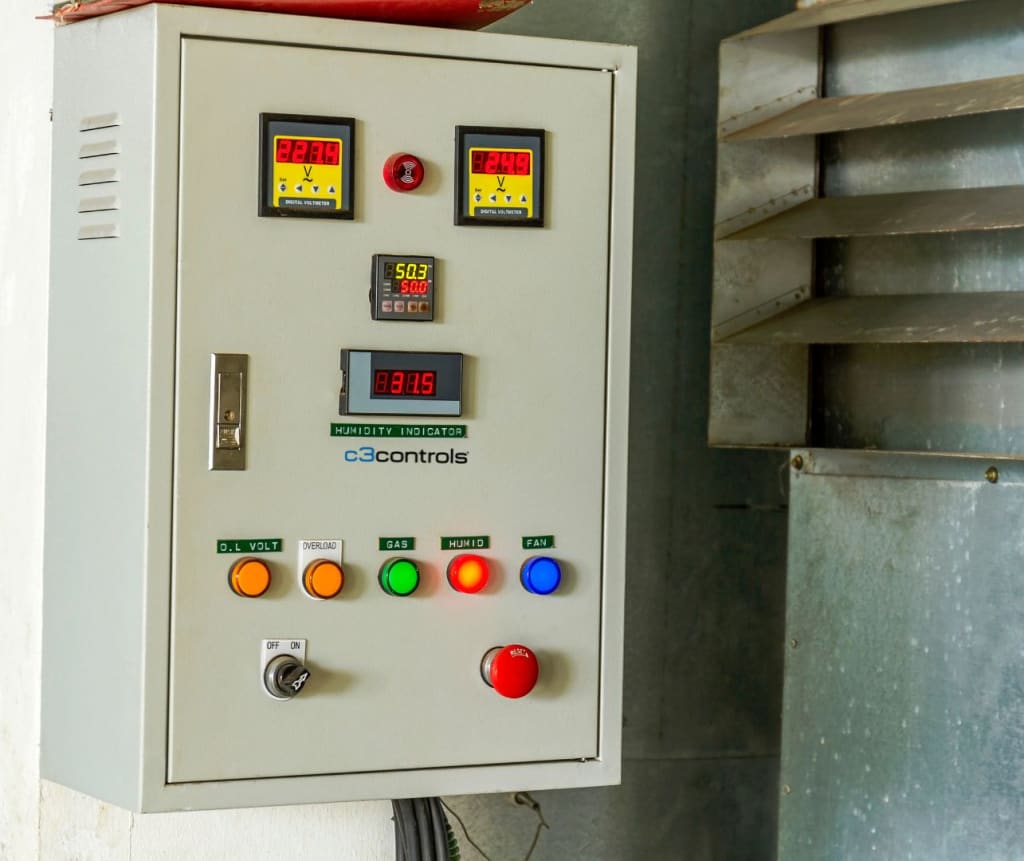
Industrial control panels are essential in almost every manufacturing and industrial facility. They are the brains of your operation, controlling machinery, processes, and systems to ensure everything runs smoothly. Choosing the right industrial control panel can be overwhelming, especially with the many options available. However, by understanding a few key considerations and following best practices, you can make the best decision for your facility.
In this blog, we’ll walk you through the essential factors to consider when selecting an industrial control panel and provide some tips to help you make an informed decision.
What Is an Industrial Control Panel?
An industrial control panel is an assembly of electrical components used to manage and control various industrial machinery and processes. It typically includes switches, relays, timers, motor controllers, and circuit breakers, all housed in a protective enclosure.
Control panels come in different sizes and configurations, depending on the complexity and requirements of the application they support. Choosing the right one ensures your facility runs efficiently and safely.
Key Considerations When Choosing an Industrial Control Panel
Understand Your Application Requirements
The first step in selecting the right industrial control panel is understanding your specific application. What equipment will the panel be controlling? How complex are the systems? Knowing the answers to these questions will help you determine what kind of control panel is needed.
For example, a simple machine may only need a basic control panel with a few switches and relays, while a more complex system could require programmable logic controllers (PLCs) to handle advanced automation.
Compliance with Standards and Regulations
One of the most critical aspects of choosing a control panel is ensuring it complies with industry standards and local regulations. In the U.S., control panels must adhere to guidelines set by the National Electrical Code (NEC) and standards from organizations such as Underwriters Laboratories (UL).
If your facility is located outside the U.S., make sure the control panel complies with the local codes and international standards, such as the International Electrotechnical Commission (IEC). Compliance ensures the control panel is safe and reliable and reduces the risk of accidents or equipment failures.
Environmental Conditions
Consider the environment where the control panel will be installed. Will it be in a clean, climate-controlled area or exposed to dust, moisture, or extreme temperatures?
If the control panel will be used in harsh conditions, you need to ensure that it has the proper rating for protection. For example, panels with a NEMA 4 or IP66 rating are designed to withstand exposure to water, dust, and other challenging environmental factors. This will help extend the life of the control panel and ensure it operates safely and efficiently.
Panel Size and Space Constraints
Size matters when selecting an industrial control panel. You need to choose a panel that fits within the available space in your facility while allowing for proper ventilation and access for maintenance.
Keep in mind that the panel should not only accommodate the current equipment but also allow for future expansion. It’s better to have a slightly larger panel than one that becomes overcrowded, leading to heat buildup and difficulty in managing wires and components.
Power Requirements
Understanding your facility’s power requirements is crucial when selecting a control panel. Determine the voltage, current, and power load the panel needs to handle. Industrial control panels typically operate on a variety of power sources, including low, medium, and high voltage.
Make sure the panel you choose is rated for the correct voltage and can handle the power load of your equipment. Underrating your control panel could result in equipment damage, power outages, or unsafe operating conditions.
Ease of Maintenance and Upgradability
A good control panel should be designed for easy maintenance and upgradability. Components should be easy to access, and the layout should be organized for quick troubleshooting.
Additionally, consider whether the panel allows for future upgrades. As technology evolves and your facility grows, you may need to add new features or components. Selecting a panel that can be easily upgraded can save you time and money in the long run.
Vendor and Support Services
The manufacturer or vendor you choose can make a significant difference in the overall success of your control panel installation. Choose a reputable supplier who offers high-quality products and reliable support services.
Check if the vendor provides documentation, technical support, and training for your staff. Having strong support from your supplier can help avoid costly downtime and ensure smooth operation.
Best Practices for Choosing the Right Industrial Control Panel
Plan for Future Expansion When designing your control panel system, think about your facility's long-term needs. A control panel that can easily be expanded will save you from needing a complete overhaul in the future.
Ensure Proper Documentation Make sure all wiring diagrams, component lists, and other documentation are provided. This is critical for maintenance and troubleshooting.
Test Before Full Implementation Once the control panel is installed, conduct thorough testing to ensure everything works correctly. This will help you identify any potential issues before the panel is put into full operation.
Conclusion
Choosing the right industrial control panel is key to ensuring your facility operates efficiently and safely. By understanding your application, adhering to standards, and considering environmental factors, you can select a control panel that meets your facility’s needs.
Remember, working with a reputable supplier and planning for future growth can help you get the most out of your investment. With the right industrial control panel, you’ll have the confidence that your equipment will run smoothly and safely for years to come.
About the Creator
Jason Sky
Hey, I am Jason Sky, and I'm an electrical engineer with over a decade of experience in the field. I'm proud to say that I've played a key role in many significant projects over the years.
Pakistan’s Mineral Exports Could Hit $6–8 Billion Annually With Value Addition: Ahsan Iqbal
ISLAMABAD — Pakistan’s mineral sector holds immense promise, and with a strategic shift toward value addition, the country could see its mineral exports surge to between $6 billion and $8 billion per year by the end of the decade, Federal Minister for Planning and Development Ahsan Iqbal said on Wednesday. Speaking at the Pakistan–China Mineral Cooperation Forum in Islamabad, Iqbal outlined a vision for transforming Pakistan’s historically under‑utilised mineral wealth into a linchpin of export‑led growth.
By Salaar Jamaliabout 15 hours ago in Journal




Comments
There are no comments for this story
Be the first to respond and start the conversation.