
How-To: Boost Your Business with a Killer Blogging Strategy
Discover the secrets to skyrocketing your business growth with a game-changing blogging strategy — Are you ready to win big?


Table of Contents
- Choosing a Blogging Platform
- Creating Engaging Content
- Promoting Your Blog
- Monetizing Your Blog
- Maintaining Your Blog
- Conclusion
As a business owner, you know that having a strong online presence is crucial. While there are many ways to promote your brand, blogging for business is a powerful tool that can help you connect with your audience, drive traffic to your website, and even generate revenue. If you’re new to the world of business blogging, don’t worry! In this comprehensive guide, we’ll walk you through everything you need to know to create a killer blogging strategy that drives results.
Choosing a Blogging Platform
The first step in setting up a business blog is choosing a platform. There are many options available, but some of the most popular include WordPress, Wix, and Squarespace. Here are a few factors to consider when making your choice:
Budget
Some platforms have free options, while others require a monthly subscription fee. Decide what you’re willing to spend before choosing a platform.
Customization
Some platforms offer more customization options than others. Decide how much control you want over the design and layout of your blog before making a choice.
User-Friendliness
If you’re not tech-savvy, choose a platform that is user-friendly and easy to navigate.
Creating Engaging Content
Once you’ve chosen a platform, it’s time to start creating content for your blog. Here are some tips for creating engaging content:
Know Your Audience
Before you start writing blog posts, take the time to get to know your audience. What are their pain points? What questions do they have? By understanding your audience, you can create content that resonates with them.
Be Consistent
Consistency is key when it comes to blogging. Decide on a posting schedule and stick to it. Whether it’s once a week, twice a month, or daily, make sure you’re consistently showing up for your audience.
Mix It Up
Don’t be afraid to mix up the types of content you create. Experiment with blog posts, videos, infographics, and other types of content to see what resonates with your audience.
Promoting Your Blog
Creating great content is only half the battle. To get your blog in front of your audience, you need to promote it. Here are a few promotion strategies to consider:

Social Media Promotion
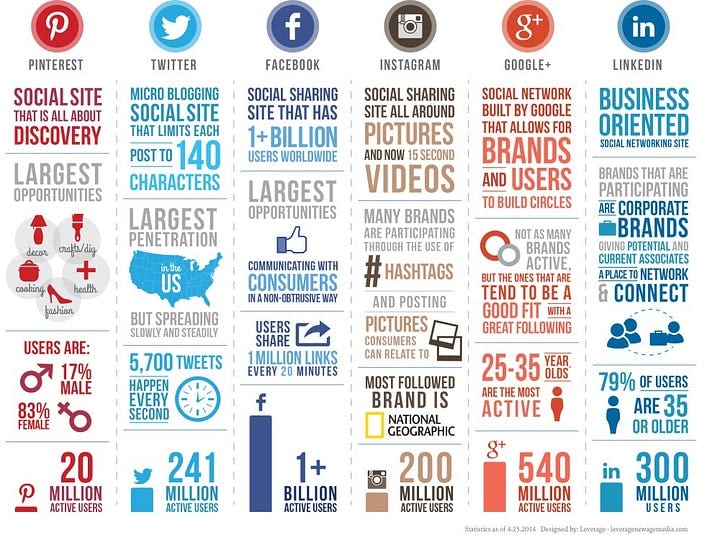
Share your blog posts on social media to reach a wider audience. Consider creating dedicated social media accounts for your business to help grow your following.
Guest Posting
Guest posting on other blogs in your niche is a great way to get your content in front of a new audience. Look for blogs that accept guest posts and reach out to see if they’d be willing to feature your content.
Email Marketing
Email marketing is a powerful tool for promoting your blog. Consider creating a newsletter to share your latest blog posts and keep your audience up to date on your business.
Monetizing Your Blog
If you’re looking to generate revenue from your blog, there are several monetization strategies to consider:
Affiliate Marketing
Affiliate marketing is a popular way to monetize a blog. Essentially, you promote someone else’s product or service and earn a commission on any sales that result from your promotion.
Sponsored Content
Sponsored content involves partnering with a brand to create content that promotes their product or service. If you have a large following and can produce high-quality content, sponsored content can be a lucrative monetization strategy.
Advertising
You can also earn revenue through advertising on your blog. Consider using Google AdSense or a similar platform to display ads on your website.
Maintaining Your Blog
Creating a successful blog takes time and effort. Here are some tips for maintaining your blog:
Create a Content Calendar
Creating a content calendar can help you stay organized and consistent with your blogging efforts. Plan out your blog posts in advance and stick to your schedule.
Engage with Your Readers
Engage with your readers by responding to comments and emails. This can help foster a sense of community around your blog.
Optimize for SEO
Optimizing your blog for SEO can help your content rank higher in search engine results pages. Consider using tools like SEMrush or A hrefs to help optimize your content.
Conclusion
Blogging for business can be a powerful tool for promoting your brand, connecting with your audience, and generating revenue. By choosing the right platform, creating engaging content, promoting your blog, monetizing your efforts, and maintaining your blog over time, you can create a successful blogging strategy that drives results.
About the Creator
Keep reading
More stories from Joseph Sabastian and writers in Journal and other communities.
How-To: Build a Successful Blog on a Tight Budget
Table of Contents Choose a budget-friendly hosting plan Use free or low-cost design themes Curate content from other sources Join blogging communities for support and collaboration Develop a content calendar Automate social media promotion Use guest writers Conclusion
By Joseph Sabastian3 years ago in Journal
What Healthcare Organizations Must Do to Stay Compliant
Introduction Compliance protects healthcare organizations. Regulations govern daily operations. Patient safety depends on adherence. Noncompliance creates serious risk. Financial penalties can be severe. Reputation damage is lasting. Oversight continues to increase. Expectations evolve constantly. Compliance requires commitment. Leadership must prioritize standards. Systems must support requirements. Staff must understand obligations. Proactive compliance prevents disruption. Preparation reduces exposure. Compliance supports trust. Accountability defines professionalism.
By Abdul Mueed3 days ago in Journal



Comments
There are no comments for this story
Be the first to respond and start the conversation.