
How to Avoid Content Whiplash in Multi-Channel Marketing
How to Avoid Content Whiplash in Multi-Channel Marketing
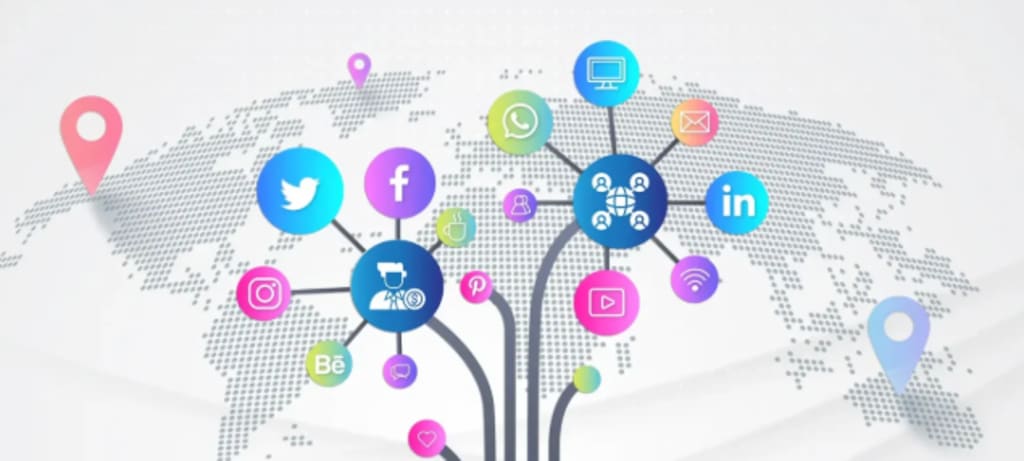
Content whiplash is a situation that occurs when a brand confuses its audience due to inconsistent messaging. The confusion or disorientation caused by frequent changes in communication creates dissonance in a person's mind regarding what you actually stand for. Therefore, in multi-channel marketing, which leverages several platforms, message dissonance is frequent with multiple points of engagement and the chances of a sudden change in tone, style, or even the message are high.
Define one clear brand thread.
Each content piece should ensure that one simple question is asked: Why would the audience pay attention to what you’re creating? A brand spine would give an initial intent and serve as a guideline on how to direct each channel in the future. Each content type should connect to the single promise you make, whether it be fun, smart, genuine, or even useful. Intentionally the tone of the voice, whether it be casual, authoritative, or friendly, is better kept consistent to avoid confusing the audience getting confused. Detect three power words that will be representative of the brand in your brainstorm briefs. Whether it is typography, branding, or logo, one consistent image should be present in all the content to tie it all together. A simple one-line rule will assist your team in staying focused and improving messaging.
Map channels by role, not by habit
The content team should treat every channel as a unique tool with unique abilities and features; the focus should be on the role each channel plays instead of simply following existing habits. Certain channels, such as Instagram and Facebook, are more suited for short and catchy content, while newsletters and blogs are more inclined to provide in-depth information. Over time, decisions should be made concerning the areas where the short-form content should draw attention, and the long-form content should give more substance. It is essential to provide the audience with clear paths on what to do after they engage on one channel, whether to click, read furthermore, or subscribe. Blank templates should be created per channel and content format. This will ensure that your messages are clear and relevant and are not meandering. The map that a piece of content can take from one channel to another should be made in detail to help illustrate how it all works together.
Build a content spine and repurpose gently.
Developing a content spine makes it possible to share important ideas through different platforms without losing focus. It is extremely effective when you build a significant pillar piece, such as an e-book, webinar, or long, impressive article, and then break it down into smaller components. The only thing to remember is to give the same message in a small way and to ensure that it is condensed but retains the core idea intact. The extension of the original content might also be done by adding small localized references, but it will not affect the main message, and it will make each piece relevant to the audience. The digital assets that are original must be saved in an organized manner so that you can use them to recreate the material consistently and to do it instantly when necessary.
Use short boosts and promotions with guardrails.
In online marketing, short-term price increases are only used as a means to an end, and not a permanent strategy. Click here to learn more about it. The short-term promotion can give a wide audience, but should always be supported by published long-term content. This also means that in paid promotions, the tone and kind of content should be the same as the organic or owned creations, and that the audience should be prepared in advance. Any moment when the audience is reacting to paid content should lead immediately to the owned channels. The audience should not be turning off just because of sudden tone shifts made so that the ad is sexy. Following up content should be scheduled after boosts so that the initial identity is supported.
Team routines that prevent sudden flips
The marketing team should make sure that two brief sets are carried out to ensure the creative focus and channel fit before producing the content. Before any new major campaign, members should have a look at how it will affect all channels, make sure sequencing is right, and avoid any uncomfortable surprises. Assign one responsible creative head to check and approve any content a week before it goes live. A collaborative calendar is extremely useful so that everybody involved knows what is going on, and no one channel is ever surprised by any change. Last thing, as part of the communication culture, a quick review should be conducted periodically every week to identify what is not right.
Conclusion
In multi-channel marketing, avoiding content whiplash is possible. All you need to do is be consistent in branded messaging and plan content in a way that the message is consistent across all channels. Every channel has a specific purpose, and creative content should be redirected between them without changing the main brand promise. On the contrary, paid promotions and collaborations need to be approached as opportunities to test and where safety measures are in line with the brand spirit.
About the Creator
Keep reading
More stories from Aurang Zeb and writers in Journal and other communities.
How Great Creators Use Contrast to Stand Out
Everyone wants to make something that gets seen, that makes a dent. The world's really noisy, so how do truly incredible creators actually do it? The answer is they don't just get good at the basics; they use contrast. Not just in color (though that's part of it), but contrast in ideas, feelings, expectations... pretty much everywhere they can.
By Aurang Zeb2 months ago in Journal
Understanding the Saints: Models of Holiness for Today
Saints occupy a central place in Catholic spirituality. They are men and women who lived lives of extraordinary faith, virtue, and dedication to God. Catholics honor saints not as divine beings but as role models and intercessors who demonstrate how ordinary people can respond fully to God’s grace. Understanding why saints matter and how their example can inspire modern believers helps Catholics grow in holiness and live a faith-centered life.
By Sound and Spirit2 days ago in Journal



Comments
There are no comments for this story
Be the first to respond and start the conversation.