
How to achieve financial freedom by reading 5 books
Your first steps in financial independence


Hi there,
You are here. That means you finally decided to take control of your finances. Maybe it’s after a long list of financial failures, maybe a few in wrong investments or in impulse buying. There can be many reasons why we fail to manage our finances while our friends and acquaintances are having time of their life, with the same salary(if you are doing a job).
Let’s go on this financial journey together to become millionaires or to save few bucks for our future. I’ll list 5 books that helped me a lot during the time when I started taking control of my finances. Basics are important, and nothing can beat that. You just can’t fly before learning to walk. Here is the list.
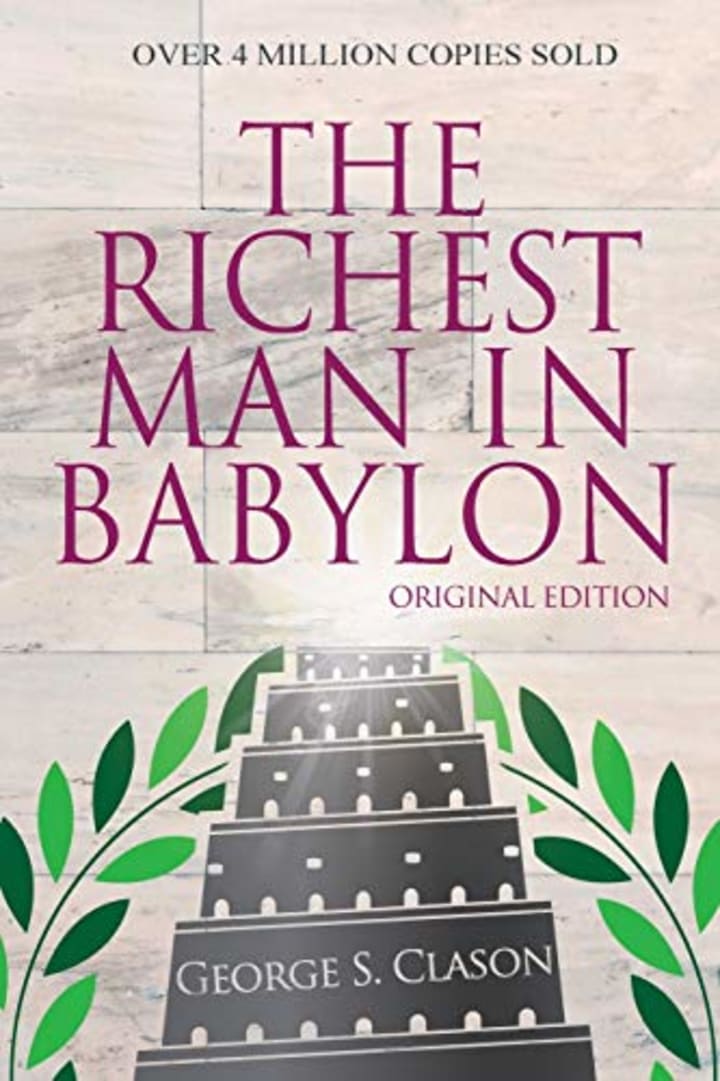
1. Richest man in Babylon.
The easiest way I can describe this book is “ This book is ‘a’ from ‘a,b, c’s of financial literacy.
Here goes the summary
Save 10% of everything you make. Be smart, not dumb. Invest the money you save.
These words are easier said than done. And this is exactly why you need to read this book. This book follows the footsteps of a slave in ancient Babylon and how he gets to the richest man in Babylon.
2. Rich Dad Poor Dad
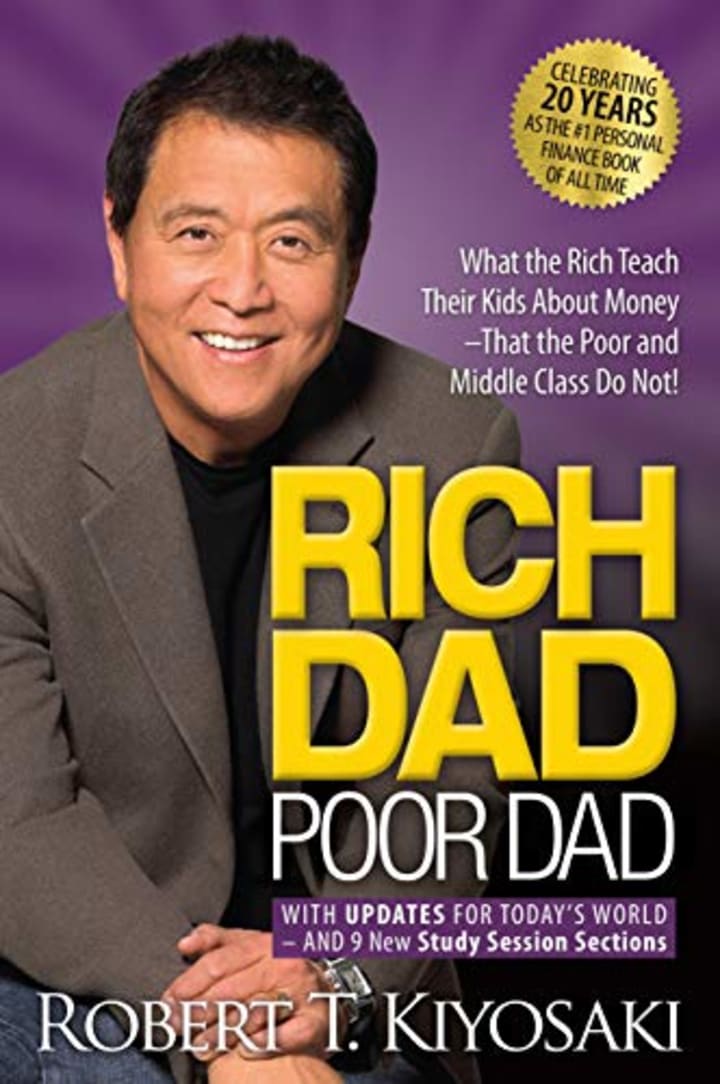
This book is one of those books that get famous by its title. But, it has much more than that. Trust me on that. Rich Dad Poor Dad is a 1997 book written by Robert Kiyosaki and Sharon Lechter.
Rich Dad Poor Dad is Robert’s story of growing up with two dads — his real father and the father of his best friend, his “rich dad” — and the ways in which both men shaped his thoughts about money and investing. The book explodes the myth that you need to earn a high income to be rich and explains the difference between working for money and having your money work for you.
This book is not just about money. It’s about how we are taught to think; how we are programmed by schools, family, and friends to look at the rich as greedy no good bloodsuckers, and opportunities as risks. It is an attempt to reprogram minds to look at why we do what we do… why do we buy all these shoes, clothes, cars, jewelry.. have we earned it, or are we just trying to maintain an image?
3. The Millionaire Next Door
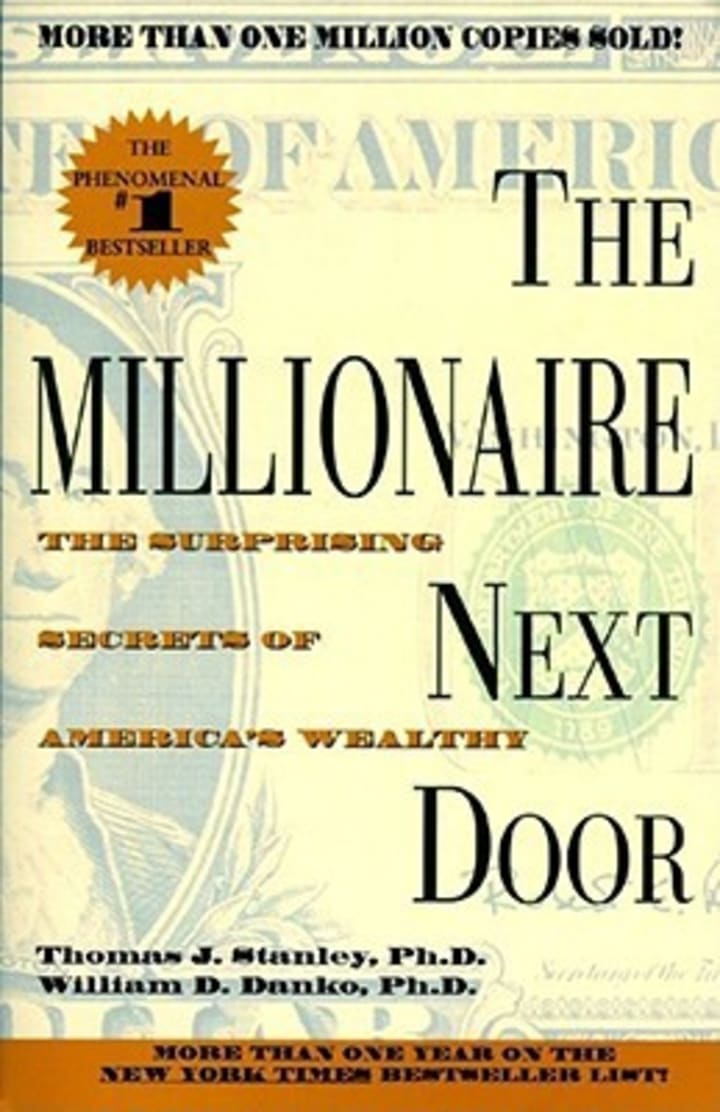
The Millionaire Next Door is a summary of the research of two men who have come to some surprising conclusions about the wealthy in America. The book is filled with lots of fascinating facts and statistics. The authors describe two general classes of people: under-accumulators of wealth, and prodigious accumulators of wealth. They also provide a pretty safe metric to determine which one you are: “Multiply your age times your realized pretax annual household income from all sources except inheritances. Divide by ten. This, less any inherited wealth, is what your net worth should be.”
At times, this book becomes boring, but it gives a different perspective how we think about money and what it actually means to be a millionaire.
4. The Intelligent Investor
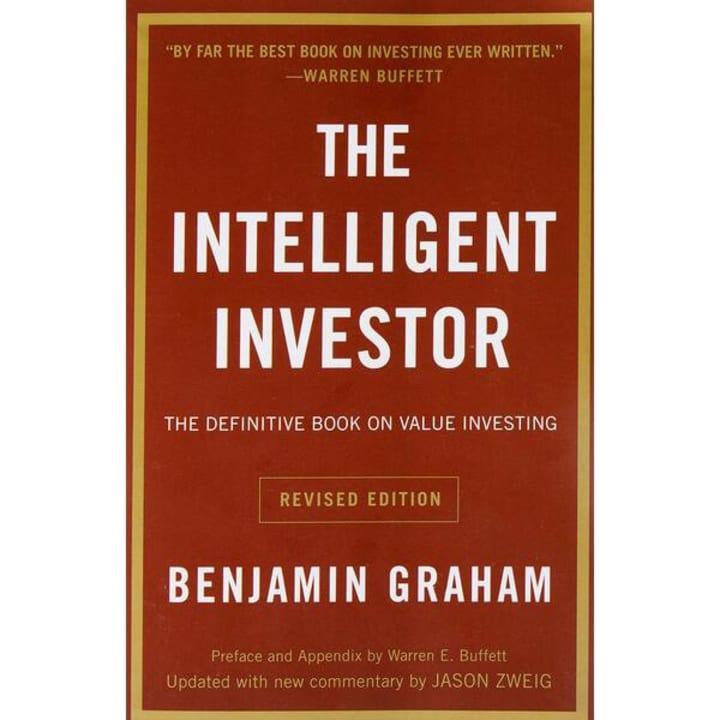
Now, I assume that you read ‘Richest Man in Babylon and decided to save 10% of your income and invest it. But how do I do that? If you are one of those folks who like to do their own research, then this book is definitely for you. To summarise what the author has to say “To achieve satisfactory investment results is easier than most people realize; to achieve superior results is harder than it looks.” This book is a must-read if you are planning to invest in the stock market and learn how it all works.
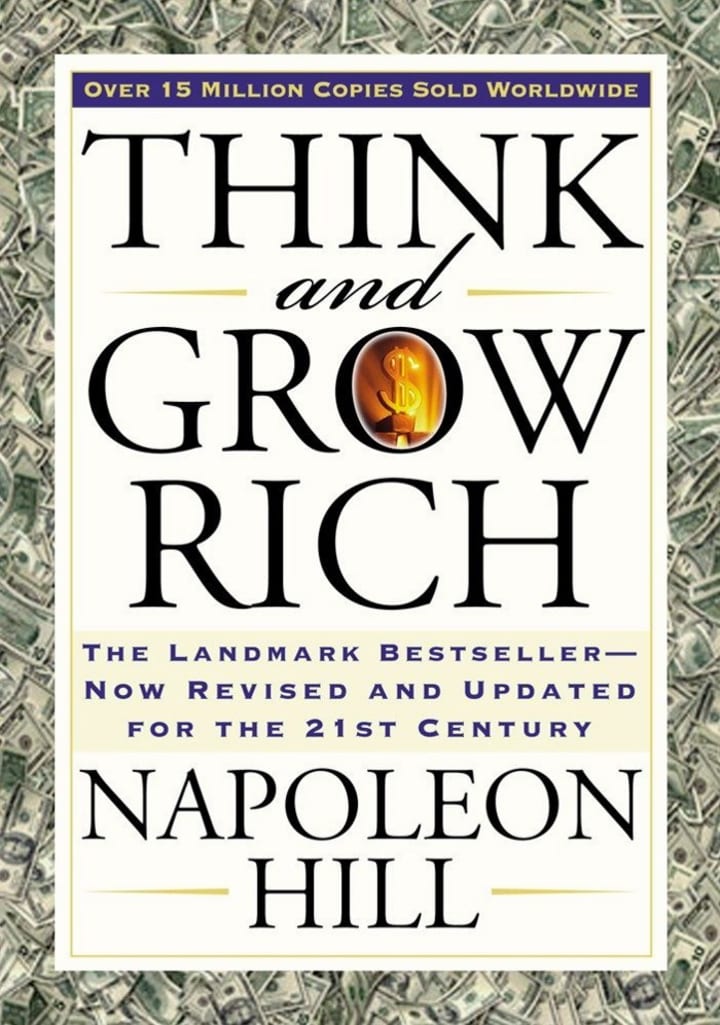
5. Think and Grow Rich
I kept the best for the last. I don’t think that I can even try giving this book any introduction. It is a timeless classic book that teaches everything you need to know about how to become rich in very practical steps. The first version of the book was written by Napoleon Hill in 1937 and promoted as a personal development and self-improvement book. To this day, this book is jam-packed with golden nuggets about becoming rich by actually putting in work.
This is the best self-help book any entrepreneur could ever read. Perhaps the only one they need to. Truly transformative.
This is my first article, ever. Please give your feedbacks and suggestions about what I can do to make my writing better.
About the Creator
Keep reading
More stories from writers in Journal and other communities.
What to Expect During an On-Site Accreditation Survey
Introduction An on-site accreditation survey is a critical milestone for healthcare and behavioral health organizations seeking formal recognition of quality and compliance standards. These surveys evaluate whether an organization meets established accreditation requirements related to safety, governance, clinical care, and operational practices. While the process can feel intimidating, understanding what to expect helps reduce anxiety and supports successful outcomes. Proper preparation and awareness of survey activities enable organizations to demonstrate their commitment to quality, compliance, and continuous improvement.
By Abdul Mueed3 days ago in Journal


Comments
There are no comments for this story
Be the first to respond and start the conversation.