
How Stretch Marks Affect Tattoos: A Complete Breakdown
Stretch Marks Affect Tattoos
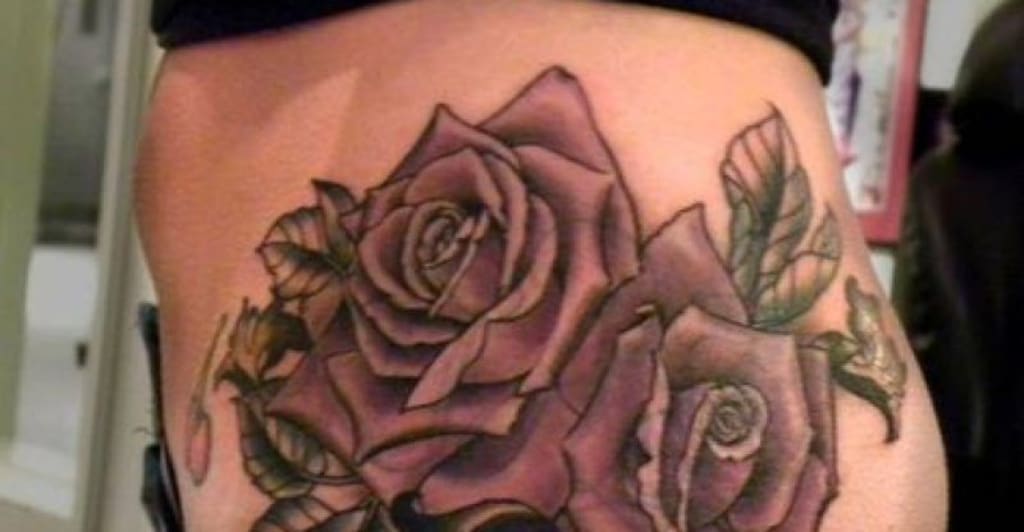
Stretch marks are a common part of life, forming when the skin stretches or shrinks rapidly due to growth, pregnancy, weight changes, or hormonal shifts. For many people, the question isn’t how to eliminate them, but rather how to work around them, especially when it comes to body art.
If you're considering getting a tattoo over or near stretch marks, understanding how the skin’s texture and structure change is essential. In this complete breakdown, we’ll explore how stretch marks can influence tattoo design, placement, healing, and long-term appearance, and what you need to know before booking an appointment.
What Stretch Marks Really Are
Stretch marks occur when collagen and elastin fibers in the skin tear under stress. At first, they may look red, purple, or pink due to inflammation and visible blood vessels. Over time, they typically fade into silvery or pale lines.
The most important thing to understand is that stretch marks aren’t just color changes—they are textural scars. They may be slightly indented, raised, or smooth, depending on the body and healing process.
This texture is the primary reason tattooing over stretch marks requires special consideration. A tattoo needle behaves differently on scarred skin than on unscarred skin, and this directly affects how ink settles and how the final artwork looks.
Can You Tattoo Over Stretch Marks?
Yes, you can. But the results depend on the age, severity, and depth of the marks. Many artists have successfully created stunning designs over stretch marks, but every body is different. Early stretch marks that are still reddish or inflamed are not good candidates for tattooing. Tattooing over them can worsen the inflammation and lead to unpredictable results.
Mature marks—those lighter in color—are generally safer, but even then, ink diffusion can vary. An experienced artist will consider whether the lines are raised, smooth, or sunken and will adjust their technique accordingly.
This is where people often encounter conversations about tattoo stretch marks, because navigating the intersection of stretch marks and tattoos requires both medical awareness and artistic skill.
How Stretch Marks Affect Tattoo Appearance
1. Ink Absorption
Scarred skin often absorbs pigment differently. Some areas may hold ink well, while others may reject or blur it. This can lead to uneven shading.
2. Texture Interference
If stretch marks are raised or indented, they may create visible distortions in linework. Geometric or symmetrical designs are especially risky because any minor distortion becomes noticeable.
3. Color Challenges
Color tattoos over stretch marks can sometimes appear less vibrant. Artists may need to layer color or use specialized shading to blend everything smoothly.
4. Potential for Fading
Because the skin is less elastic and has altered collagen structure, tattoos over stretch marks may fade more quickly. This is why tattoo stretch marks are often discussed in terms of long-term maintenance.
Choosing the Right Tattoo Artist
Not every tattoo artist specializes in scar tissue. If you’re looking into covering or incorporating stretch marks into a design, you’ll want someone with:
• Experience in scar cover-ups
• A portfolio that includes healed examples
• Understanding of skin behavior
• Patience and willingness to customize
Many artists actually enjoy designing around unique skin patterns. Some even create pieces that use the marks as part of the artwork. Whether you want a full cover-up or to celebrate your body as it is, the right artist makes all the difference.
When researching, look for artists who mention experience with tattoo stretch marks specifically. That expertise matters when working on sensitive or textured skin.
Best Tattoo Designs for Stretch Marks
Certain styles adapt better to uneven or scarred skin. Here are a few tattoo types that tend to work well:
Watercolor and abstract styles
These designs are excellent for blending colors and patterns across skin variations. They don’t rely on perfect lines, so minor distortions from stretch marks are not noticeable.
Botanical designs
Leaves, flowers, vines, and natural shapes can flow with the direction of stretch marks, making them easier to integrate.
Textured shading
Dotwork, stippling, and soft shading are forgiving options that can camouflage inconsistent ink absorption.
Organic shapes
Waves, smoke designs, and illustrative pieces can easily adapt to the movement of scarred skin.
This flexibility is why many people search for creative tattoo stretch marks solutions that transform the area rather than simply hiding it.
When You Should Avoid Tattooing Over Stretch Marks
There are situations where tattooing over stretch marks is not recommended:
• The marks are new and inflamed
• You are pregnant or recently postpartum
• You expect future body changes (weight loss, muscle gain, etc.)
• The stretch marks are painful or irritated
• You have a keloid-forming tendency
Tattoos are permanent, but bodies change. If your stretch marks are still forming, the tattoo could distort later.
What the Healing Process Is Like
Healing a tattoo on scarred skin can be more unpredictable. Some people experience no issues, while others may have longer healing times due to reduced elasticity or sensitivity. Typical healing includes redness, scabbing, and peeling, but on stretch marks, the skin may feel tighter or itchier.
Proper aftercare—gentle cleansing, moisturization, and avoiding scratching—is essential. Artists working with tattoo stretch marks often recommend fragrance-free moisturizers and slightly extended healing periods.
Alternative Options for Covering Stretch Marks
If you wish to minimize stretch marks but aren’t ready for a tattoo, there are alternatives:
• Microneedling
• Laser treatments
• Topical retinoids (for older marks)
• Radiofrequency skin tightening
These don’t erase stretch marks completely, but they can improve texture and reduce contrast, making tattooing easier later. Many people pursue these before getting a design because they can enhance the final outcome, especially when creating large-scale or detailed tattoos meant to incorporate tattoo stretch marks creatively.
Embracing Stretch Marks Through Tattoo Art
Some people don’t want to hide their stretch marks at all—instead, they want to celebrate them. Artists have designed pieces that highlight stretch marks with metallic inks, gradient shading, and elegant linework. This approach transforms them into a unique feature rather than something to conceal.
This empowering trend has contributed to the rise in demand for stretch marks designs that blend art, identity, and body positivity.
Final Thoughts
Stretch marks are natural, common, and completely normal. Whether you choose to cover them, incorporate them, or celebrate them, tattoos offer a meaningful way to express yourself. What matters most is working with a skilled artist, understanding how scarred skin behaves, and embracing your body’s unique story.
If you’re exploring tattoo stretch marks ideas, take your time, do your research, and choose a design that resonates with you. Your skin has its own history—and the right tattoo can help you honor it beautifully.
About the Creator
Keep reading
More stories from Addison Jons and writers in Journal and other communities.
When Writing a Resume What Tense Should Be Used? (Complete Guide)
Writing a resume may seem simple, but even small grammar mistakes can significantly affect your chances of landing an interview. One of the most common questions job seekers ask is: when writing a resume what tense should be used?
By Ramsha Riaz5 days ago in Journal
Flower Bloom 369
FLOWER Bloom 2/25/26 Wednesday By Mariann Carroll Karen had been with Tony for 7 years. Tony started acting strangely after her surgery. He would mow the lawn in the rain and be on his cellphone. He started pushing Karen away. Tony came clean about seeing someone. Karen moved out two months later. Karen moved in with a friend. She felt betrayed.
By Mariann Carroll6 days ago in Fiction


Comments
There are no comments for this story
Be the first to respond and start the conversation.