
How to Choose the Right Moisture Meter for Your Project
Moisture Meter
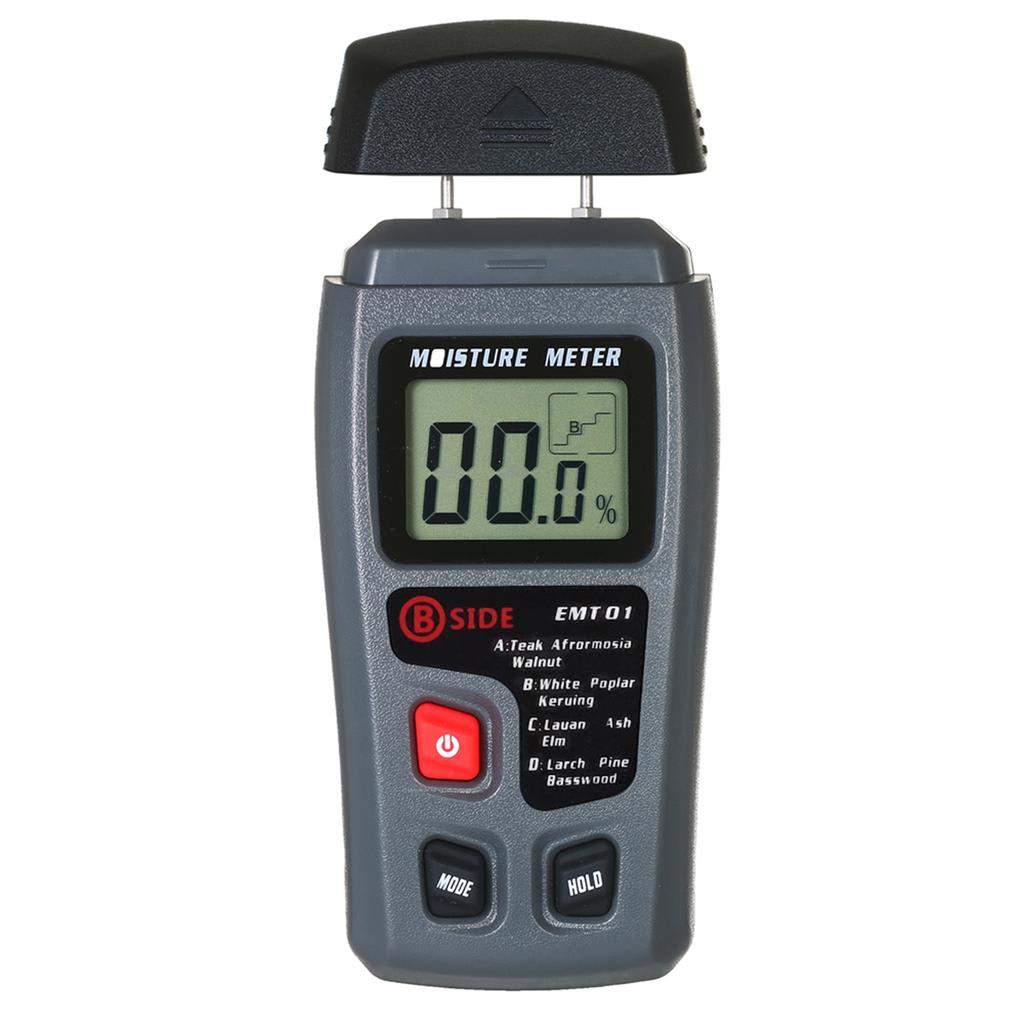
Moisture meters are indispensable tools across a wide range of industries, from woodworking and flooring to agriculture, concrete construction, and home inspection.
Whether you’re a professional contractor or a DIY enthusiast, knowing the moisture content of your materials can prevent costly damage, ensure proper performance, and maintain quality control.
However, with so many types and models on the market, choosing the right meter can feel overwhelming. This guide breaks down everything you need to know to select the best one for your specific project.
Understanding What a Moisture Meter Does
A moisture meter measures the amount of water present in a given material, typically expressed as a percentage of moisture content. Depending on the application, even small variations in moisture levels can dramatically affect the results. For example:
Woodworking: Too much moisture causes warping, cracking, or joint failure after assembly.
Flooring installation: High subfloor moisture leads to adhesive failure, cupping, or buckling.
Concrete curing: Improper moisture levels can delay finishing or cause surface defects.
Agriculture: Moisture affects seed germination, crop yield, and storage safety.
By using the right meter, you can make informed decisions, ensure quality, and prevent moisture-related problems before they start.
Step 1: Identify Your Material Type
The first step in choosing a meter is to determine what material you’ll be measuring. Meters are typically designed for specific materials, wood, concrete, drywall, soil, or even textiles. While some models offer multiple settings or calibration options, no single device works perfectly for every material.
1. Wood Moisture Meters
These are among the most common types. Wood meters help woodworkers, furniture makers, and flooring installers ensure lumber is properly acclimated before use. Many wood meters include species correction settings, allowing for more accurate readings across hardwoods and softwoods.
2. Concrete and Building Materials Meters
Concrete moisture are essential for construction professionals and flooring installers. These models measure surface or internal moisture levels to determine if the slab is ready for finishing or covering. Unlike wood, concrete moisture readings are often relative rather than absolute.
3. Soil and Agricultural Meters
Used in farming and gardening, these meters help monitor soil moisture to optimize irrigation. They are typically designed with probes that reach different soil depths.
4. General-Purpose or Multi-Material Meters
If you work across multiple industries or applications, a general-purpose meter with adjustable calibration may be the most versatile option.
Step 2: Choose Between Pin-Type and Pinless Meters
Once you know the material, the next key decision is how you want to measure moisture. Moisture generally come in two main types: pin-type and pinless (also called non-destructive).
Pin-Type Moisture Meters
These meters use two sharp electrodes (pins) that penetrate the material’s surface to measure electrical resistance. Because water conducts electricity, higher moisture levels result in lower resistance and vice versa.
Advantages:
Accurate at determining moisture gradients (surface vs. core)
Works well on rough or uneven surfaces
Reliable for testing small, specific areas
Disadvantages:
Leaves small holes or pin marks in the material
Requires direct contact with the material
May be less suitable for finished or delicate surfaces
Best For: Woodworkers, inspectors testing drywall or framing, and professionals needing precise readings at specific points.
Pinless Moisture Meters
Pinless meters use an electromagnetic sensor that scans the material’s surface without puncturing it. They measure moisture content up to a certain depth, depending on the device’s sensor range.
Advantages:
Non-destructive—no holes or damage
Fast and easy to use over large areas
Ideal for finished or delicate surfaces
Disadvantages:
May give inaccurate results on uneven surfaces
Calibration is material-dependent
Reads an average moisture level rather than specific points
Best For: Flooring installers, furniture makers, and inspectors working with large or finished surfaces.
Step 3: Consider Accuracy and Calibration Options
Accuracy is critical, especially in professional applications. Most quality meters have an accuracy range of ±0.1% to ±1% for wood and ±0.5% to ±2% for building materials. For best results:
Choose a meter with calibration options — some models allow manual calibration or include a calibration block for field verification.
Look for species or material correction settings — wood species vary in density, which affects readings. Many advanced meters include built-in species correction tables.
Check for temperature compensation — moisture readings can be influenced by temperature, so meters with automatic temperature adjustment provide more reliable results.
If your work requires precise documentation, consider models that store, average, or export data for reporting and quality control.
Step 4: Evaluate Measurement Range and Depth
Different projects require different measurement depths. For example, a pin-type meter might only measure surface-level moisture, while a pinless model can scan up to ¾ inch or deeper, depending on the model. Concrete or masonry meters, on the other hand, often measure up to several inches deep.
Woodworking and flooring: A ¼" to ¾" depth range is typically sufficient.
Building inspection: Look for meters that can detect moisture behind walls or under surfaces.
Concrete testing: Consider models designed for slab-depth readings or relative humidity (RH) probes for deeper measurements.
Understanding your required measurement depth helps ensure you get a tool capable of detecting hidden moisture problems.
Step 5: Evaluate Display and Data Features
Modern meters go beyond simple needle gauges. Many now include digital displays, color-coded indicators, and even Bluetooth connectivity for mobile data management.
Useful Features to Consider:
Digital backlit display: Easier to read in dim conditions.
Data hold or memory function: Retains readings for later review.
Audible or visual alarms: Alert you when moisture exceeds acceptable levels.
Bluetooth or app integration: Syncs data to smartphones or tablets for reports and documentation.
Statistical functions: Some advanced meters can average multiple readings or display min/max values.
For professionals who test multiple sites or materials daily, these features save time and improve consistency.
Step 6: Match the Meter to Your Budget and Frequency of Use
Moisture range in price from under $50 to well over $500, depending on their accuracy, durability, and features.
Entry-level meters ($30–$100): Suitable for DIYers or occasional use. Basic functionality with limited precision.
Mid-range meters ($100–$300): Ideal for regular users, offering reliable accuracy and multiple material settings.
Professional-grade meters ($300+): Built for intensive use, with calibration options, data logging, and advanced diagnostics.
If your livelihood depends on accurate readings—such as flooring installation or building inspection—a professional-grade model is a worthwhile investment. For occasional projects, a mid-range meter offers a strong balance of performance and affordability.
Step 7: Consider Brand Reputation and Warranty
Lastly, consider brand reputation, customer support, and warranty coverage. Reputable brands like Delmhorst, Wagner Meters, Protimeter, Tramex, and General Tools have long-standing track records for precision and durability. Look for:
Solid warranty (ideally one year or more)
Availability of replacement probes or calibration accessories
Responsive technical support
Reliable after-sales service ensures your investment lasts and remains accurate over time.
Conclusion
Selecting the right moisture meter isn’t just about picking the most expensive model; it’s about choosing the one that best fits your material type, application, and precision requirements.
By understanding the differences between pin and pinless meters, calibration needs, measurement depth, and advanced features, you can make an informed decision that improves your project outcomes.
Whether you’re testing wood for a fine furniture project, checking subfloor moisture before installation, or ensuring a concrete slab is ready for sealing, the right moisture will save time, money, and frustration.
Take the time to match the tool to your needs, and your projects will stay stronger, safer, and more reliable for years to come.
About the Creator
Keep reading
More stories from Addison Jons and writers in Journal and other communities.
SpongeBob Review
“The Chaperone,” a gem tucked within the first season of SpongeBob SquarePants, unfurls like a bright‑hued sea‑foam tapestry, each frame drenched in the buoyant optimism that defines the series while simultaneously slipping a sly, almost parental, commentary into the mix. The episode opens with Mr. Krabs anxiously appoints SpongeBob as the designated chaperone for his wide‑eyed school‑aged daughter Pearl for the prom after her date had stood her up. Also this is after everyone in the Krusty Krab including employee Squidward had said no. This is a role that both honors and lampoons the classic “big brother” trope. As SpongeBob dutifully agrees to be a chaperone for Pearl’s prom for a wonderful night, the viewer is treated to a cascade of meticulously animated details: the iridescent shimmer of coral arches, the gentle sway of kelp that seems to echo the nervous tremor in each child’s spine, and the ever‑present, reassuring glow of the school's neon sign that feels like a lighthouse guiding lost souls. The writing skillfully balances slapstick chaos—students darting into a fish‑food line, the inevitable slime‑splatter misadventure—with tender moments of affection, such as SpongeBob’s earnest, wide‑grinned encouragement that feels as warm as a summer tide. The episode’s pacing is deliberate yet breezy, allowing each visual gag to settle before moving to the next, thereby amplifying the comedic impact while keeping the narrative buoyant and coherent.
By Forest Green7 days ago in Journal
Review of 'Man on the Run'
My wife and I saw Man on the Run, a nearly 2-hour documentary on Amazon Prime, about Wings, Paul McCartney's group that flew around the world from shortly after The Beatles broke up in early 1970 to shortly after John Lennon was murdered at the end of 1980, making a Beatles reunion forever impossible.
By Paul Levinson4 days ago in Beat




Comments
There are no comments for this story
Be the first to respond and start the conversation.