
How Security Guards Are Trained to Handle Conflict Resolution
In today’s fast-paced world, security guards serve as the first line of defense in maintaining peace and order across commercial, residential, and public spaces

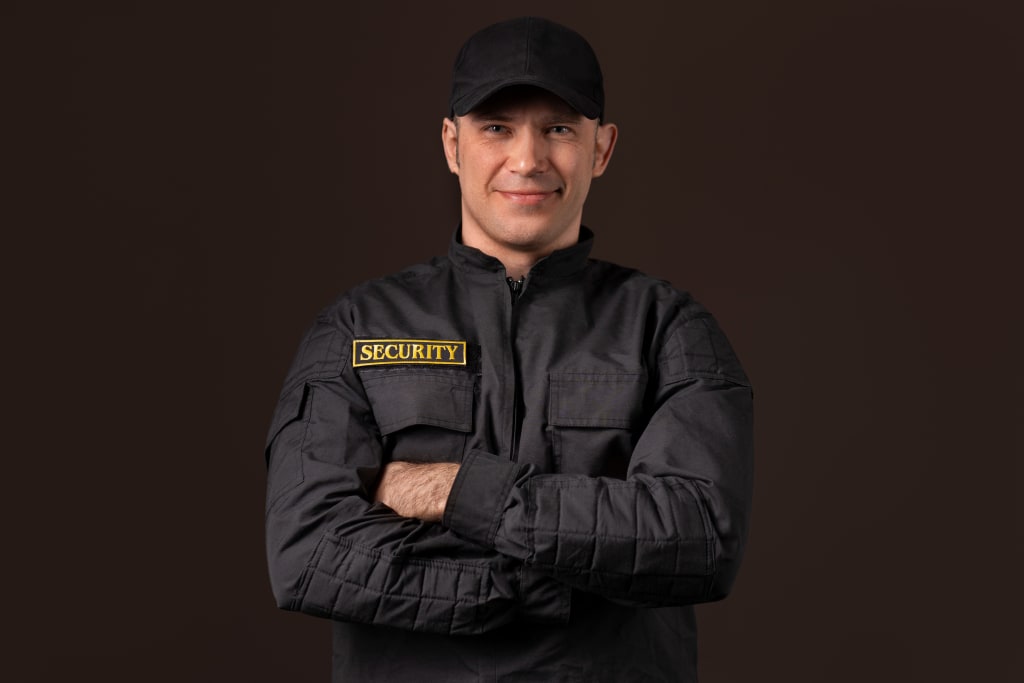
In today’s fast-paced world, security guards serve as the first line of defense in maintaining peace and order across commercial, residential, and public spaces. One of the most essential yet often overlooked aspects of their job is conflict resolution—the ability to defuse tensions before they escalate into potentially dangerous situations. This article explores how professional security guards are trained to handle conflicts effectively and ethically, with a focus on techniques, tools, and professional standards.
Why Conflict Resolution Is Crucial in Security Services
Security professionals regularly encounter situations where emotions run high—disputes between employees, irate customers, intoxicated individuals, or unauthorized trespassers. How they respond can make the difference between a peaceful outcome and a full-blown incident. That’s why conflict resolution is an integral part of security training programs and professional development.
Key Components of Conflict Resolution Training
Security guard training programs are designed to prepare individuals not only for physical threats but also for psychological and emotional challenges. Here’s how training typically breaks down:
1. Understanding Human Behavior
Guards are trained to recognize body language, tone of voice, and facial expressions that signal potential conflict. By understanding emotional triggers and stress responses, they can assess situations more accurately.
2. Verbal De-escalation Techniques
The ability to calm a tense situation using only words is one of the most vital tools in a security guard’s arsenal. Training includes:
Active listening
Empathetic communication
Maintaining a calm and assertive tone
Avoiding inflammatory language
3. Maintaining Professional Detachment
Security personnel learn to remain calm and composed, even when facing hostility or verbal abuse. This emotional regulation is crucial for preventing overreactions that can make situations worse.
Incorporating Conflict Resolution Into Daily Duties
Conflict management is not just an isolated skill—it's woven into the fabric of professional security guard duties. Whether stationed at a corporate lobby, event venue, or retail store, guards are expected to:
Monitor for early signs of trouble
Approach disputes diplomatically
Use verbal and non-verbal cues to establish authority without intimidation
Document incidents accurately and impartially
Conflict resolution also forms a critical part of post orders and standard operating procedures. For example, if a guard observes a disagreement escalating at a retail store, they are trained to assess from a distance before intervening with a calm, non-threatening approach.
Role-Playing and Scenario-Based Training
One of the most effective training methods for conflict resolution is scenario-based learning. Guards participate in role-play exercises that simulate real-world confrontations. These simulations allow trainees to practice:
Decision-making under pressure
Coordinating with colleagues
Knowing when to call for backup or law enforcement
Such hands-on training reinforces both verbal and non-verbal strategies and builds confidence in managing high-stakes situations.
Legal and Ethical Considerations
Another essential part of conflict training focuses on legal boundaries. Guards are instructed to:
Uphold the law without using excessive force
Protect the rights of all individuals involved
Follow protocols specific to the property or client they serve
Respecting individual rights while maintaining order is central to professional security guard duties, and training reinforces the need for balance between authority and restraint.
Ongoing Education and Real-World Experience
Initial training is just the beginning. Reputable security companies invest in continuing education, including:
Advanced communication workshops
Conflict resolution certifications
Use-of-force refresher courses
Diversity and cultural sensitivity training
Additionally, real-world experience plays a huge role. Many skills are honed on the job, with mentorship from seasoned guards who model best practices.
Conclusion
Conflict resolution is a cornerstone of effective security work. Professional security guards are trained to remain calm under pressure, de-escalate disputes with tact, and uphold legal and ethical standards. These skills ensure not only the safety of the environments they protect but also foster trust with the public and clients they serve.
By understanding the training behind these crucial skills, businesses and property managers can make more informed decisions when hiring security services—and appreciate the critical value that guards bring beyond just a visible presence.
About the Creator
Keep reading
More stories from William Charles and writers in Journal and other communities.
What to Expect from a Professional Security Guard Service
In today’s ever-evolving world, safety is a top priority for businesses, communities, and individuals alike. Whether you're managing a retail store, an office complex, a construction site, or planning a major event, hiring a professional security guard service can significantly enhance safety and peace of mind. But what exactly should you expect when working with a reputable security firm?
By William Charles9 months ago in Journal
The Expanding Responsibilities of Today’s Chief Financial Officer
The responsibilities of a Chief Financial Officer have changed steadily over the past several years. While financial accuracy and compliance remain core expectations, many organizations now rely on CFOs for broader guidance. Finance leaders are increasingly involved in planning, operational discussions, and long-term decision-making. This shift reflects a growing recognition that financial insight plays a central role in organizational stability.
By Carolina Guerreno5 days ago in Journal
Autonomy Is The Real Privilege
Good morning, freedom-seekers! Today we’re gonna be looking at autonomy. A strange word, I know; one many would probably look at blankly and run away from on sight. We’re gonna figure out what it actually means, consider how it’s achieved, and decipher just how deeply most of us are tangled up in dependence without realising it.
By That ‘Freedom’ Guy3 days ago in Humans




Comments
There are no comments for this story
Be the first to respond and start the conversation.