
How Russian Drones Targeting Civilians Are Turning One Ukrainian City Into a ‘Human Safari’
"Residents describe life under constant drone attacks as the city becomes a perilous battlefield for civilians."

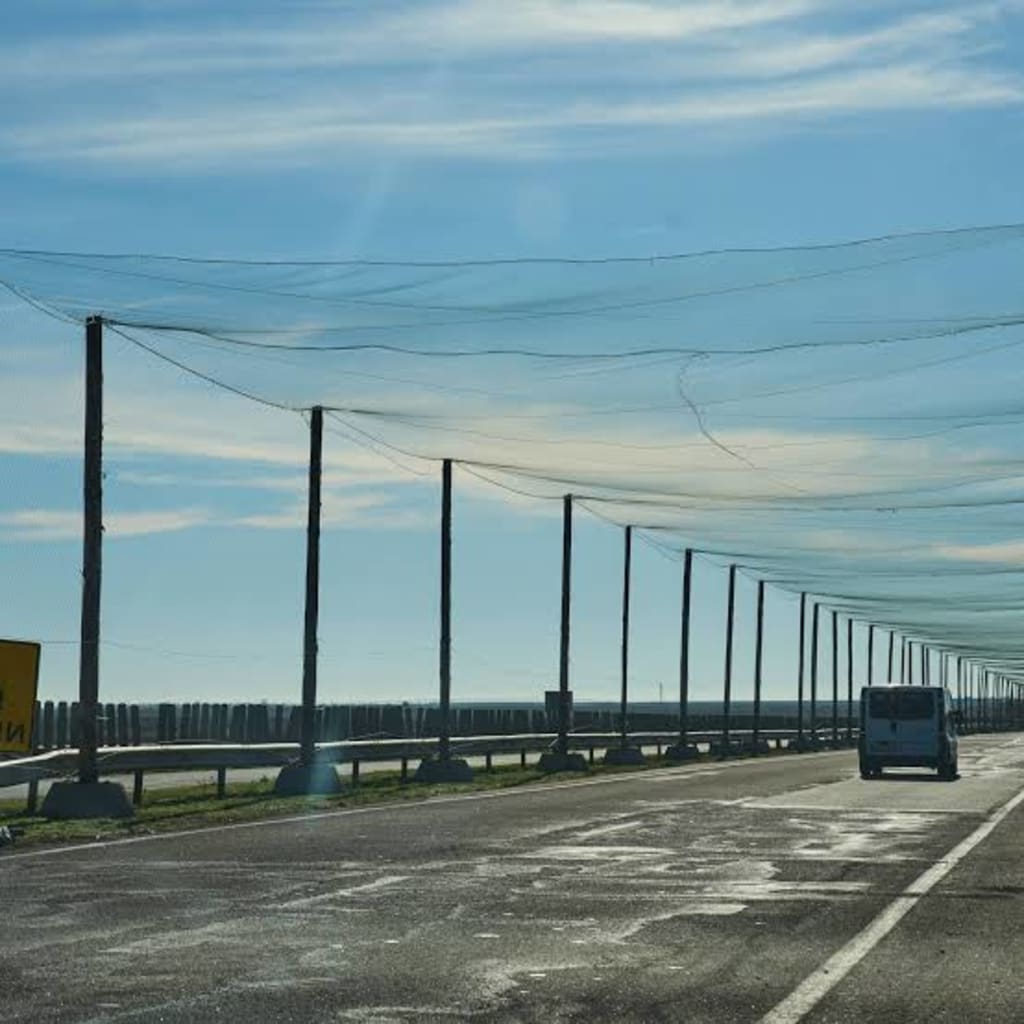
For nearly three years, Ukraine has lived under the shadow of constant drone and missile attacks. But in one frontline city, something far more disturbing is happening. Residents say Russian drones are not just striking military targets—they are hunting people, circling low, and waiting for movement on the ground. The terrifying pattern has led many Ukrainians to describe the experience as living in a “human safari.”
This phrase may sound dramatic, but for civilians who wake each morning to the sound of buzzing engines overhead, it feels painfully accurate. Their daily routines—walking to the store, stepping onto a balcony, even hanging laundry—have become potential death traps. And as drone warfare evolves, the line between battlefield and home grows thinner than ever.
Across Ukraine, Russian forces have relied heavily on unmanned aerial vehicles to scout, destroy infrastructure, and disrupt daily life. But in this particular city, the attacks have shifted from general bombardment to targeted hunting. Many locals say drones hover above residential areas for hours, tracking people with thermal cameras and precision-guided explosives. These drones appear to be programmed—or manually directed—to strike when they detect human presence.
The fear is not only about the danger itself but the feeling of being watched. Residents describe a chilling sensation of being under surveillance every time they step outdoors. Even children have learned to recognize the sound of different drones, distinguishing the sharp whirr of a loitering munition from the deeper hum of a reconnaissance craft. For many families, life has moved almost entirely underground. Basements have transformed into kitchens, bedrooms, and makeshift schools.
Local emergency workers say the drones have become more accurate and more persistent over time. When they arrive to rescue injured civilians after a strike, the team must move quickly—because many drones return for what locals have come to call “double-tap” attacks. This means striking once to cause casualties, then striking again minutes later when first responders gather. It is a tactic widely condemned by humanitarian organizations and considered a possible war crime.
The international community has been watching closely. Military analysts argue that this shift in drone strategy reflects Russia’s growing dependence on cheap yet deadly technology. Unlike missiles, drones can be flown repeatedly, redirected instantly, and used to monitor movement in real time. They cost a fraction of traditional weapons but can terrorize entire cities. This makes them a powerful tool for psychological warfare.
Ukrainian officials have repeatedly urged global partners to speed up shipments of air-defense systems. They argue that without stronger protection, drones will continue to cause devastating civilian losses. The city’s local leaders report that some neighborhoods have emptied out almost completely. Streets that once held markets, playgrounds, and open cafés now resemble ghost towns.
Still, residents show remarkable resilience. Volunteers deliver food and medicine to elderly people who cannot leave their homes. A few schools host online classes so children can continue learning from bunkers. And despite the constant threat, many families refuse to abandon their homes. They say leaving would mean surrendering not just territory but dignity.
What makes the situation even more heartbreaking is that this city was once known for its vibrant culture and strong community life. Today, its skyline is punctured by burned buildings and broken roofs. Drone fragments litter courtyards and sidewalks. Windows are covered with plywood instead of glass. Yet locals continue to rebuild even in the middle of danger—repairing roofs by night, salvaging bricks in silence, and helping neighbors whenever possible.
Human rights groups warn that the deliberate targeting of civilians violates international humanitarian law. They have documented multiple cases of drone strikes on unarmed residents simply walking down the street. Some investigators refer to these attacks as a “mechanized form of cruelty,” emphasizing the distance and detachment of remote warfare. It is one thing to fight soldiers; it is another to hunt civilians.
The phrase “human safari” may sound shocking, but it captures the emotional truth of what people are facing. They are not simply casualties of war—they are being watched, stalked, and attacked in their own neighborhoods. Each day brings new fear, new losses, and new questions about how far technology can be pushed before humanity is lost entirely.
As Ukraine continues to call for international protection, one thing is painfully clear: this is not just a story about drones. It is a story about people—ordinary citizens trying to survive extraordinary cruelty. Their resilience deserves attention, and their suffering demands accountability.
About the Creator
Fiaz Ahmed Brohi
I am a passionate writer with a love for exploring and creating content on trending topics. Always curious, always sharing stories that engage and inspire.
Keep reading
More stories from Fiaz Ahmed Brohi and writers in Journal and other communities.
UK and EU Explore ‘Pay-As-You-Go’ Model to Break Defense Talks Deadlock
In a surprising diplomatic shift, the United Kingdom and the European Union are exploring a new “pay-as-you-go” model to revive stalled defense cooperation talks that have been frozen since Brexit. As global security threats rise and Europe reassesses its defense posture, this flexible model may finally bridge the political and financial gaps that have prevented meaningful collaboration between the two sides.
By Fiaz Ahmed Brohi2 months ago in Journal
How Retrieval-Augmented Generation Services Are Transforming Enterprises at Scale
Not long ago, many AI initiatives inside large organizations struggled to move beyond pilot projects. The models looked impressive in demos, but once deployed, they often failed to deliver accurate, reliable, or up-to-date results. Hallucinations, outdated knowledge, and lack of transparency made decision-makers cautious about scaling AI across critical business functions.
By Kanak Appinventiv4 days ago in Journal




Comments
There are no comments for this story
Be the first to respond and start the conversation.