
How Long Do Lip Fillers Really Last? Expert Insights
Chin fillers
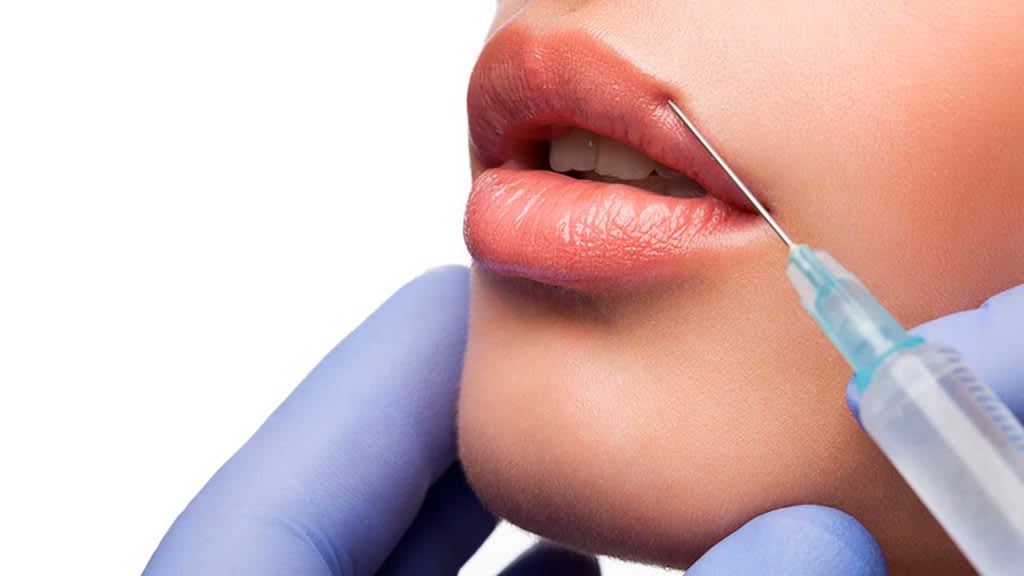
Lip fillers are one of the most requested cosmetic treatments worldwide — quick, visible results with minimal downtime. But how long do those plump, hydrated lips actually last? The honest answer is: it depends. Below I break down the science behind longevity, the factors that change how long fillers last, what different filler types behave like, and practical guidance from clinicians so you can plan realistically.
The basics: what determines longevity
Most modern lip fillers are made from hyaluronic acid (HA), a naturally occurring sugar molecule that holds water and gives skin volume. HA fillers are temporary because the body slowly breaks down the injected material. How quickly that happens depends on several things:
Product formulation. Different brands and even different formulations within a brand are made to last different lengths of time. Some gels are cross-linked to resist breakdown longer; others are softer and degrade faster.
Amount and placement. Larger volumes generally take longer to disappear. Fillers placed deeper or in areas with less movement may also last longer.
Individual biology. Metabolism, enzyme activity (hyaluronidase levels), and immune response vary from person to person and change with age.
Lifestyle factors. Sun exposure, smoking, intense exercise, and certain medications can accelerate filler breakdown.
Mechanical stress. Constant movement and massage of the treatment area can reduce longevity.
Typical timelines by filler type
Because most lip fillers are HA-based, you’ll commonly see the following ranges cited by clinicians:
Short-acting HA fillers: 4–6 months. These are softer gels often used for subtle enhancement or first-time patients.
Standard HA fillers: 6–12 months. The majority of lip treatments fall into this category.
Longer-lasting HA fillers: 12–18 months (rare for lips). Some cross-linked formulations are designed to last longer, but clinicians are conservative about using very long-lasting products in the lips because preferences and trends change.
Non-HA fillers (e.g., permanent/semi-permanent): These can last several years or permanently, but are less commonly recommended for lips due to higher risk of lumps, migration, and difficulty correcting unwanted results.
Important: these are typical ranges — individual experiences vary widely.
Why lips often need touch-ups sooner than other areas
The lips are one of the most mobile parts of the face: talking, smiling, eating, drinking — all that movement increases mechanical breakdown of HA. Blood flow to the lips is also robust, which may accelerate metabolic breakdown. Because of this, many patients find lip filler fades faster than cheek or tear-trough filler.
Maintenance strategies: how to keep results longer (safely)
If you like the look and want to maintain it without big jumps in volume, consider these options:
Micro-maintenance: Smaller touch-ups (e.g., 0.25–0.5 mL) every 4–6 months to maintain shape rather than restart from zero.
Choose the right product: Discuss formulations with your injector. A slightly more cohesive gel can last longer while still looking natural when placed by an experienced clinician.
Lifestyle changes: Protect lips from excessive sun, avoid smoking, and moderate intense treatments (like aggressive laser) to slow breakdown.
Hydration and skincare: Good external care won’t prevent filler breakdown, but keeping tissues healthy supports a better overall look.
When to consider reversing or dissolving fillers
Hyaluronidase is an enzyme that dissolves HA fillers and can be used when results are asymmetrical, overly full, or complicated by lumps or vascular compromise. Reversible is one of the advantages of HA fillers; however, dissolving should be done by an experienced clinician because it may overcorrect and require re-treatment later.
Safety and common side effects
Expect temporary swelling and bruising for a few days. Less common but important risks include infection, lumps, asymmetry, and very rarely vascular occlusion (when filler blocks a blood vessel). Choose a qualified, licensed injector who uses sterile technique, has appropriate emergency protocols (including hyaluronidase on site), and prioritizes conservative, customizable results.
Cost vs. longevity
Chin fillers, Cost varies widely by region, injector skill, and product. Cheaper, inexperienced providers or dubious products might save money upfront but increase risk and cost long term due to corrective procedures. Many patients find that a trusted clinician who plans maintenance touch-ups results in a better cost-per-year outcome and far less stress.
Realistic expectations and trends
Beauty trends change. Micro-plumping, natural enhancement, and lip symmetry are popular goals now versus the exaggerated looks of past years. Because of evolving tastes, many practitioners prefer temporary HA fillers — they let you adapt your look over time. If you want to keep a consistent look for years, plan for regular touch-ups and reassess every 6–12 months with your clinician.
Quick decision checklist before your appointment
Do your research on the clinic and injector (reviews, before/after galleries, credentials).
Discuss goals and show photos of the look you want — not everyone’s anatomy allows the same result.
Ask what product they’ll use and why, expected longevity, typical maintenance schedule, and what to do about complications.
Confirm that hyaluronidase is available on-site.
Understand the total cost including possible touch-ups.
Bottom line
Lip fillers can last anywhere from about 4 months to over a year depending on the product, placement, your body, and lifestyle. Most people can expect visible results in the 6–12 month range for standard HA fillers, with some needing touch-ups sooner and others enjoying results longer.
The best approach is a partnership with an experienced, licensed injector who prioritizes safety and natural-looking results and who will tailor product choice and maintenance to your goals and anatomy.
If you’re considering chin fillers, schedule a consultation rather than a walk-in appointment. A proper consult lets your injector assess anatomy, discuss realistic longevity, and create a personalized plan — which is the single best predictor of satisfaction with the outcome.
About the Creator
Keep reading
More stories from Addison Jons and writers in Journal and other communities.
The Complete Guide to Multipoint Lock UPVC Door Handles
Home security and convenience, the humble door handle plays a bigger role than most homeowners realize. For uPVC and composite doors, multipoint locking systems have become the industry standard, providing superior strength, durability, and protection compared to traditional single-point locks.
By Addison Jons6 months ago in Journal
When the Shelter Closes
Across the street from my house, a man slept under a tree, his dog by his side. My first, naive thought: he must be traveling through. But he kept coming back, often sleeping there during the day. Then it hit me—that person might not have a home.
By Bride of Sound5 days ago in Humans



Comments
There are no comments for this story
Be the first to respond and start the conversation.