
The Complete Guide to Multipoint Lock UPVC Door Handles
UPVC Door
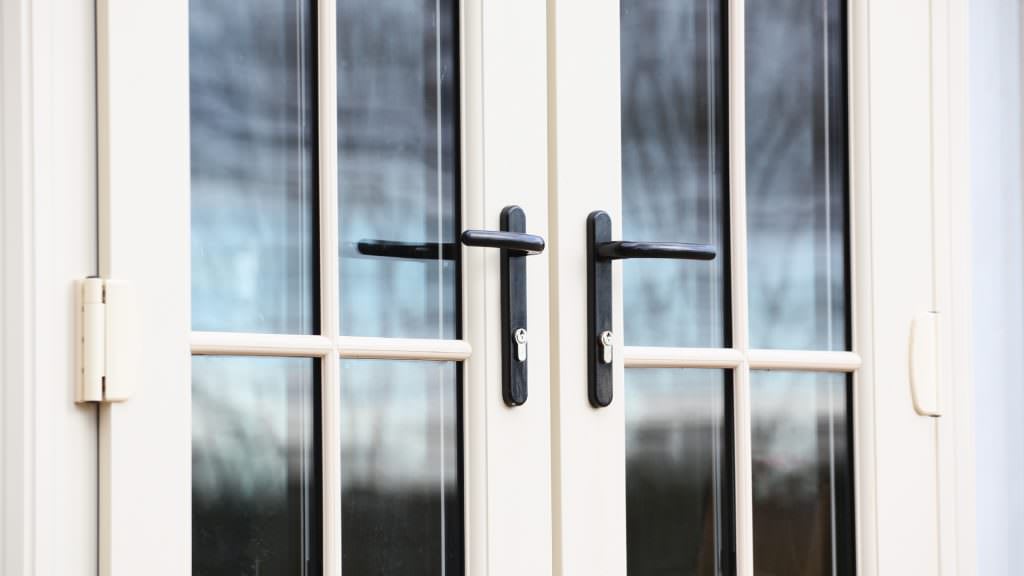
Home security and convenience, the humble door handle plays a bigger role than most homeowners realize. For uPVC and composite doors, multipoint locking systems have become the industry standard, providing superior strength, durability, and protection compared to traditional single-point locks.
A multipoint lock uPVC door handle is more than just a handle; it is a critical component of your home’s overall safety. This guide will walk you through everything you need to know about multipoint lock handles, from how they work to their benefits, installation, maintenance, and what to consider when replacing one.
What is a Multipoint Lock uPVC Door Handle?
A multipoint lock uPVC door handle is a handle designed to operate a multipoint locking system, typically found on modern uPVC, composite, and some wooden doors. Unlike a standard lock that secures a door at a single point (usually the latch and deadbolt), a multipoint lock secures the door at three or more points along its frame.
These locking points often include:
• A latch bolt in the center,
• A pair of hook bolts or rollers above and below the latch,
• Optional additional bolts at the top and bottom.
The handle is not just a grip—it is the mechanism that engages and disengages these multiple locking points. By lifting the handle, the door’s hooks, rollers, or bolts slide into the keeps on the frame, ensuring an evenly distributed, tight, and highly secure closure.
How Does a Multipoint Lock Work?
The operation is straightforward:
Closing the door – When you shut the door, the latch bolt automatically holds it closed.
Lifting the handle – Raising the handle activates the additional locking points, pulling the door tight against the frame.
Locking with the key – Once the handle is lifted, turning the key (or thumb turn, in some models) locks all points in place, preventing the handle from being pushed down.
This three-step operation makes multipoint systems highly secure, as it’s far harder for an intruder to force entry compared to a single latch or deadbolt.
Benefits of Multipoint Lock Handles
Enhanced Security
Multipoint locks distribute security across the entire door, reducing weak spots. Burglars are far less likely to pry or force the door open.
Weather Resistance
Because the locking points pull the door snugly into the frame, drafts, noise, and water ingress are minimized. This improves energy efficiency and comfort.
Durability
Even pressure across the door reduces strain on individual components, extending the lifespan of both the lock and the door itself.
Ease of Use
Though they are complex systems, multipoint lock handles are simple to operate: close, lift, lock. Many are compatible with keyless and smart locking options as well.
Insurance Approval
Many home insurers favor or even require multipoint locking systems for policies, especially on uPVC or composite doors.
Key Features to Consider When Choosing a Replacement Handle
If your multipoint lock handle becomes worn, stiff, or damaged, replacement is often necessary. Here are the main features to check before purchasing:
PZ Measurement (Spindle-to-Keyhole Distance)
The PZ is the distance between the handle spindle (where the lever rotates) and the center of the keyhole. Common measurements are 92mm, 68mm, or 72mm.
Fixing Centers
This is the distance between the screws that secure the handle to the door. Common fixing center sizes include 122mm, 211mm, and 215mm.
Backplate Length and Width
Handles come with different-sized backplates. Measuring the length and width ensures your replacement will cover the old screw holes.
Spindle Size
Spindles vary in thickness and length. Most are 8mm, but always double-check before ordering.
Handle Style and Finish
From white powder-coated to chrome, brass, or black finishes, your choice can match both your door and home aesthetic.
Sprung vs Unsprung Handles
Sprung handles have built-in springs to return the handle to the horizontal position.
Unsprung handles rely on the lock mechanism’s spring. Choosing the wrong type may result in drooping handles.
Common Problems with Multipoint Lock Handles
Even high-quality handles can face issues over time. Some of the most common include:
Drooping Handles – Often caused by worn springs in the handle or lock mechanism.
Stiff Operation – May be due to misalignment of the door, dirt buildup, or lack of lubrication.
Loose Handles – Fixing screws may have worked loose, or the backplate may have worn.
Key won’t turn – Usually caused by a fault in the lock cylinder, but can sometimes be related to handle misalignment.
In most cases, replacing the handle or carrying out basic maintenance solves the issue.
Installation: How to Replace a Multipoint Lock Handle
Replacing a uPVC multipoint lock handle is a straightforward DIY job if you have the right tools.
Tools Required:
• Screwdriver (usually a Phillips or Pozidriv)
• Tape measure
• Replacement handle
Step-by-Step Guide:
Measure your old handle – Record the PZ, fixing centers, and backplate dimensions.
Remove the old handle – Unscrew the two fixing screws on the inside backplate, then gently pull both handles away from the door.
Check the spindle – Ensure the spindle is the correct length and thickness for your new handle. Replace if necessary.
Fit the new handle – Slide the spindle through the lock mechanism, align both backplates, and secure with fixing screws.
Test the operation – Ensure the handle lifts smoothly, returns to horizontal, and locks securely with the key.
If the handle feels stiff after installation, check door alignment—sometimes hinges need adjusting for smooth operation.
Maintenance Tips for Long-Lasting Performance
Lubricate regularly – Use a graphite or Teflon-based lubricant on the moving parts of the lock, not WD-40, which attracts dirt.
Tighten screws – Check fixing screws at least once a year to prevent wobbling.
Clean handles – Wipe with mild soapy water and a soft cloth. Avoid abrasive cleaners that may damage the finish.
Check alignment – If the door becomes difficult to close or lock, adjust the hinges promptly to prevent stress on the lock and handle.
When to Replace vs. Repair
Replace the handle if it’s drooping, cracked, or if the finish is heavily worn.
Repair the lock if the key cylinder is faulty or if internal parts jam.
Replace the entire mechanism if the lock body itself is beyond repair or discontinued.
A professional locksmith can advise if you’re unsure whether to repair or replace.
Cost Considerations
Replacement handles range from £15 to £60, depending on quality and finish.
Full multipoint lock mechanisms can cost £70 to £150+, plus labor if hiring a locksmith.
Professional installation may add £50 to £100 in labor costs, though most homeowners with basic tools can handle a simple replacement themselves.
Conclusion
Multipoint lock uPVC door handles are essential for keeping your home safe, energy-efficient, and easy to access. Understanding their operation, benefits, and how to maintain or replace them ensures your doors perform at their best for years to come. Whether you’re upgrading for security, replacing a worn handle, or simply refreshing the style of your entrance, choosing the right multipoint lock handle makes a noticeable difference.
About the Creator
Keep reading
More stories from Addison Jons and writers in Journal and other communities.
Lip Fillers in Nottingham: What to Expect Before and After
Lip fillers have become a popular non-surgical cosmetic treatment in Nottingham, offering individuals the opportunity to enhance lip volume, shape, and symmetry. Whether you're considering lip fillers for the first time or seeking to maintain your results, understanding the process and what to expect before and after the treatment is essential.
By Addison Jons6 months ago in Journal
"Scream 7" (2026): Running out of Fresh Screams
This is the seventh time we’ve had a Ghostface crisis. Scream 7 is the latest edition of the Scream franchise. Sydney Prescott and her family are under attack by another anonymous killer dressed in a Ghostface costume. While having issues with her daughter, Tatum, they run from the bloody murders, trying to determine who is behind it all.
By Marielle Sabbaga day ago in Horror



Comments
There are no comments for this story
Be the first to respond and start the conversation.