
How Kachasi Helped Power Fidelity Bank’s 23% Growth in Letters of Credit Commission
and What Other Banks Can Learn

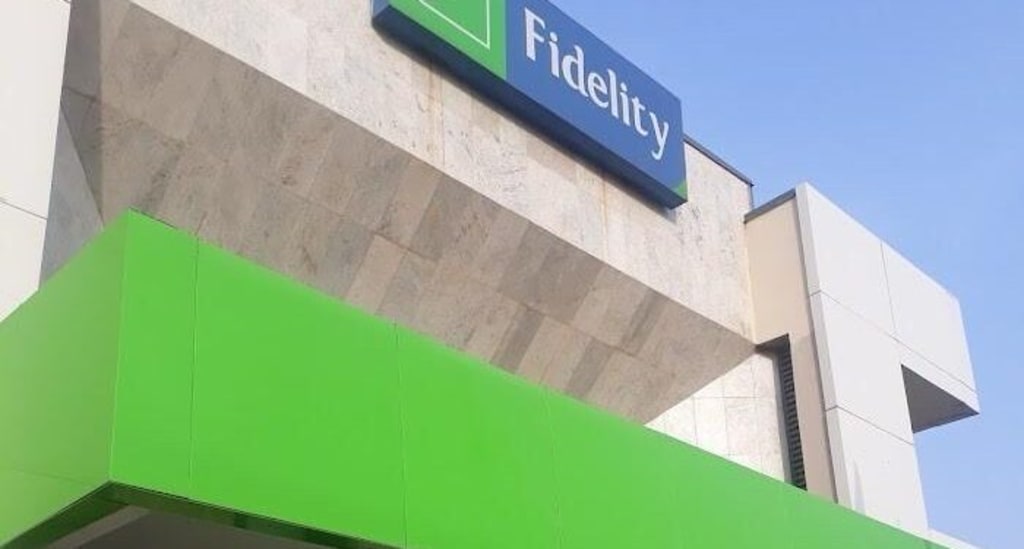
Fidelity Bank's Strategic Pivot
In the first quarter of 2025, Fidelity Bank reported a remarkable 23.38% year-on-year increase in commissions from letters of credit (LCs), contributing to a broader 30.1% rise in non-interest income, which reached ₦23.82 billion. This impressive performance wasn't merely a stroke of luck; it was the result of a deliberate strategy to optimize income from fee-based services, particularly in the trade finance sector.
In its recently published Q1 2025 financials, Fidelity Bank announced an impressive 23.38% year-on-year increase in letters of credit (LC) commissions, contributing to a broader 30.1% growth in non-interest income, which rose to N23.82 billion.
The performance wasn’t just about lending; it was about a deliberate pivot to optimising income from fee-based services, particularly in the trade finance space.
While many headlines focused on Fidelity’s 167.79% surge in pre-tax profit, the real story, especially for bank executives watching trade revenues, was how the bank quietly built new momentum in its trade finance operations. A key driver behind this: Kachasi, the end-to-end trade finance software developed by Union Systems.
The Digital Backbone of Trade Finance
At the heart of this transformation is Kachasi, an end-to-end trade finance software developed by Union Systems Limited. Kachasi automates the full lifecycle of international and local trade finance operations, including LCs, foreign bills, and related instruments. By digitizing these processes, Kachasi has significantly reduced manual bottlenecks, improved turnaround times, and enhanced visibility into obligations and cash flow exposures.
"In all my years working in trade finance as a banker, this is the best application I have ever seen." – Trade Finance Expert
The Tangible Benefits Of Efficiency, Compliance, and Revenue Growth
Fidelity Bank's adoption of Kachasi has yielded several measurable benefits:
Faster Processing: Automation has led to quicker transaction processing, enhancing customer satisfaction.
Error Reduction: Digitization minimizes human errors, ensuring accuracy in trade finance operations.
Regulatory Compliance: Seamless integration with Nigeria’s Trade Monitoring System (TRMS) ensures adherence to regulatory requirements.
Increased Revenue: The efficiency gains have translated into a significant increase in LC commissions.
A Broader Movement If Other Banks Embrace Kachasi
Fidelity Bank is not alone in recognizing the value of Kachasi. Other financial institutions, including FCMB, Wema Bank, Coronation Merchant Bank, and Rand Merchant Bank (RMB) Nigeria, have also deployed Kachasi to modernize their trade finance operations.
For instance, Wema Bank, known for pioneering Africa’s first fully digital bank, ALAT, integrated Kachasi into its systems to automate trade finance processes. This move has significantly reduced turnaround times and improved operational efficiency.
"This project will significantly reduce turnaround time, improve operational efficiency, and unlock new revenue streams for the bank." – Tajudeen Bakare, Divisional Head of Operations & General Service, Wema Bank
Similarly, RMB's transition from Finastra’s Trade Innovation to Kachasi underscores the software's robustness and adaptability to local and international trade landscapes.
Why Digitizing Trade Finance Is No Longer Optional
In an era marked by fluctuating interest rates, increased competition, and tightening margins, non-lending income has become a critical pillar for banks. Trade finance, traditionally seen as a complex and manual process, is now ripe for digital transformation.
Kachasi offers:
- Flexibility: Highly configurable to a bank’s business processes and regulatory needs.
- Operational Efficiency: Automation reduces workload and ensures continuity regardless of staff movement.
- Cost Savings: Prevents income leakages and tracks daily charge accruals.
- Advanced Technology: Features like Optical Character Recognition and Handwriting Text Recognition enhance document processing.
The Strategic Advantage When Learning from Fidelity Bank's Success
Fidelity Bank's experience serves as a blueprint for other banks aiming to turn trade finance into a growth engine. The strategic adoption of Kachasi has not only improved operational efficiency but also unlocked new revenue streams.
A Call to Action for Bank Executives
For C-suite leaders, the question is no longer "Should we digitize trade finance?" but "How quickly can we implement a solution like Kachasi?" Investing in such platforms is not just a technological upgrade; it's a strategic move towards measurable growth in non-interest income, improved customer experience, and regulatory compliance.
About the Creator
Omasanjuwa Ogharandukun
I'm a passionate writer & blogger crafting inspiring stories from everyday life. Through vivid words and thoughtful insights, I spark conversations and ignite change—one post at a time.
Keep reading
More stories from Omasanjuwa Ogharandukun and writers in Journal and other communities.
Pope Leo XIV Before The White Smoke
Before the white smoke billowed above the Sistine Chapel and his name echoed across St. Peter’s Square, Robert Francis Prevost—now Pope Leo XIV—lived not with grandeur but with grit, grace, and a sense of grounded service that defies the stereotypes of power.
By Omasanjuwa Ogharandukun9 months ago in Journal
The goals I did not achieve
Every writing goal I made for the year is a wash. It has been this way for a while, but I think it's important to be open about my failures and the reality of how life can get in the way. This is especially true considering the several times I have posted on Vocal about my writing goals, how I was changing my approach, and where I was hoping to be for the upcoming year. I will probably do that again in a couple months, but for now, it is time to acknowledge where I am today.
By Kay Husnick24 days ago in Journal
The Rosary and How It Leads to Christ
The Rosary is one of the most recognizable and cherished prayers in the Catholic Church. To many, it may appear as a repetitive sequence of words, beads, and Hail Marys, but in reality, it is a spiritual journey that leads the faithful closer to Christ. Praying the Rosary is not about counting prayers as if they were tokens. It is about meditation, reflection, and entering into the mysteries of salvation history through the life of Jesus.
By Sound and Spirit5 days ago in Journal
The Devil's Cut
“Comrade, finally you’re awake.” The voice was smooth, sensual. A flickering incandescent bar was all that lit the white, sterile room. All Vladimir remembered was everything going black. He tried to move his arms and found them strapped to the gurney.
By Matthew J. Fromm5 days ago in Fiction


Comments
There are no comments for this story
Be the first to respond and start the conversation.