
How Industrial Carts Can Optimize Your Manufacturing Process
Improving Manufacturing Performance through Smart Cart Solutions

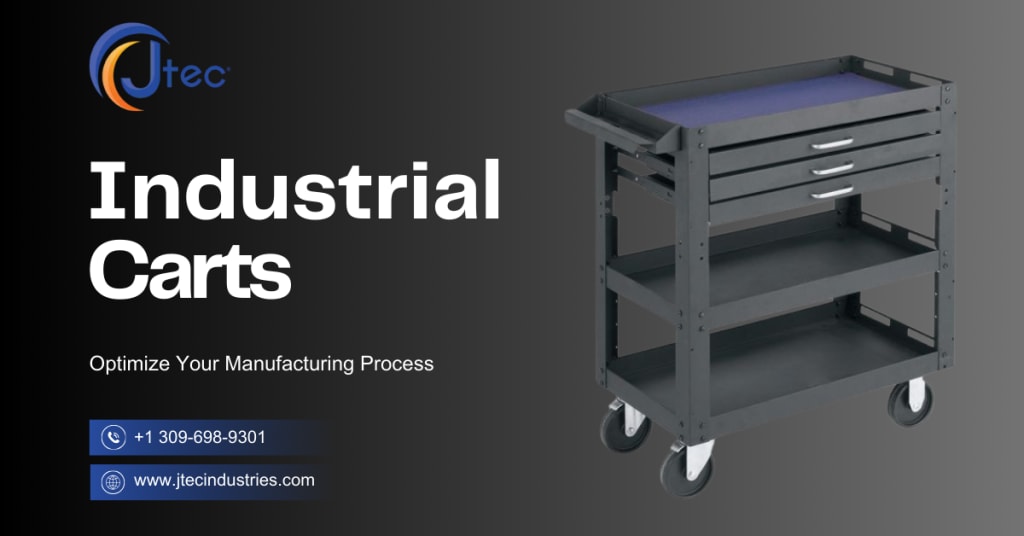
Efficiency and productivity are critical factors in any manufacturing process, and industrial carts are a powerful solution to help achieve both. Manufacturers are continuously seeking streamline their operations, reduce costs, and boost productivity. The most effective tool to accomplish these goals is the industrial cart. These versatile, heavy-duty carts can play a significant role in optimizing the manufacturing process, improving workflow, improving safety, and increasing overall efficiency.
Understanding Industrial Carts
Industrial carts are robust, mobile storage solutions that transport materials, components, and tools within a manufacturing facility. They come in various designs, from simple open platforms to specialized carts with shelves, bins, or drawers. The flexibility in design allows carts to be customized to meet the specific needs of different manufacturing processes.
Common types of industrial carts include:
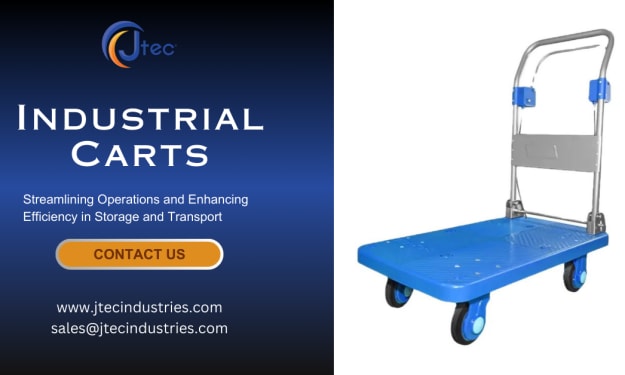
- Flatbed carts: Simple platforms used to transport large, heavy items.
- Shelved carts: Carts have multiple tiers for organizing smaller items or parts.
- Bin carts: Often used for moving parts and tools in a more organized manner.
- Heavy-duty carts: Designed to carry substantial weight, typically used in industries like automotive and aerospace.
These carts are typically made from durable materials like steel or aluminum, ensuring they can withstand heavy loads and harsh working conditions. The wheels or casters on industrial carts are also designed to handle various floor types and are crucial for smooth mobility.
Optimizing Workflow with Industrial Carts
One of the most significant advantages of incorporating these carts into a manufacturing process is the improvement of workflow. By efficiently moving materials and components through different stages of production, these carts can significantly reduce downtime and eliminate bottlenecks.
1. Streamlined Movement of Materials
Materials, tools, and parts in a manufacturing facility often need to be transported from one area to another—whether from the raw material storage to the assembly line or between workstations. These carts allow these materials to be moved quickly and efficiently without the need for workers to make multiple trips or interrupt their tasks.
For example, instead of manually carrying materials or waiting for forklift assistance, workers can use industrial carts to transport large or heavy items, minimizing the time spent on material handling. This efficiency contributes to a smoother, more continuous workflow, allowing the production line to operate at its full potential.
2. Reducing Worker Fatigue and Improving Productivity
These carts help reduce the physical strain on workers. Lifting, carrying, or dragging heavy materials can lead to fatigue, reducing worker productivity and increasing the risk of injury. With the help of material handling carts, workers can easily transport materials, reducing physical strain and the potential for workplace injuries. This results in a healthier workforce and fewer disruptions due to work-related injuries, which in turn boosts overall productivity.
3. Minimizing Downtime and Delays
In many manufacturing environments, time is money. Unnecessary delays due to material shortages, inefficient transport, or equipment malfunctions can hinder production and increase costs. Material handling carts help keep the flow of materials steady, reducing the chances of a production halt due to logistics issues. Additionally, by improving the speed at which materials are moved between workstations, manufacturers can optimize the flow of tasks and avoid bottlenecks.
4. Optimized Inventory Management
Industrial carts can be customized to suit the needs of specific inventory management processes. By organizing materials on carts with shelves, bins, or dividers, manufacturers can keep parts neatly arranged and easily accessible. It reduces time spent searching for components and minimizes the chances of misplaced items. Moreover, workers can quickly restock items when needed, reducing inventory shortages and improving the accuracy of stock levels.
Carts can also be fitted with barcode scanning systems or RFID technology, allowing manufacturers to track materials in real time and improve supply chain management. This added level of control ensures that inventory is optimized and materials are always available when needed, reducing delays caused by stock-outs.
Improving Safety and Reducing Workplace Hazards
Safety is always a primary concern in manufacturing environments. Moving heavy materials without proper equipment can lead to accidents or injuries. These carts are designed with safety in mind, offering features that minimize risks and hazards.
1. Ergonomic Benefits
These carts are designed to reduce the strain on workers by providing an ergonomic solution for moving materials. Carts with adjustable heights, easy-to-grip handles, and smooth-rolling wheels help prevent repetitive strain injuries, particularly in environments that require workers to lift and carry materials frequently. By reducing the physical demands on employees, industrial carts contribute to a safer and more comfortable work environment.
2. Minimizing Spills and Accidents
In industries where chemicals, liquids, or hazardous substances are handled, industrial carts can be equipped with features such as spill containment trays or heavy-duty wheels to prevent accidents. These carts can help contain spills and isolate dangerous materials, reducing the chances of contamination or exposure to harmful substances.
3. Improved Organization
The design of industrial carts encourages better organization of tools and materials. By keeping items neatly stored and separated, manufacturers can reduce the likelihood of accidents caused by cluttered workspaces. Well-organized carts make it easier for workers to find and retrieve necessary tools, contributing to a safer, more efficient environment.
Maximizing Space Efficiency
Manufacturing facilities often face challenges related to limited space. An efficient use of floor space can help accommodate higher production volumes without costly expansions. These carts can assist in maximizing space by allowing for easy movement and storage of materials, reducing the need for excessive storage areas. Additionally, carts can be stacked or stored when not in use, further optimizing available space.
Conclusion
Industrial carts are indispensable tools in modern manufacturing environments. They are vital in optimizing workflow, increasing productivity, ensuring workplace safety, and improving inventory management. By reducing material handling time, preventing delays, and contributing to a more organized and safe work environment, these carts help businesses meet their production goals more effectively. Investing in high-quality, customizable industrial carts is a smart decision for any manufacturer looking to streamline their operations and maintain a competitive edge in the industry.
About the Creator
Jtec Industries
J-TEC Industries is a manufacturing company specializing in material handling equipment solutions.
Keep reading
More stories from Jtec Industries and writers in Journal and other communities.
What Makes Industrial Carts Essential for Warehouse Organization
Effective warehouse organization is crucial for maintaining smooth operations, reducing inefficiencies, and ensuring a safe working environment. One tool that plays an essential role in achieving these goals is the industrial cart. These carts are not just simple trolleys; they are versatile, durable, and purpose-built solutions that help warehouses optimize their operations. From improving mobility to improving storage, industrial carts are integral to warehouse organization. In this blog, we’ll explore why industrial carts are indispensable for maintaining an efficient and organized warehouse.
By Jtec Industriesabout a year ago in Journal


Comments
There are no comments for this story
Be the first to respond and start the conversation.