
How I Tricked My Brain To Like Doing Hard Things
How I Tricked My Brain To Like Doing Hard Things

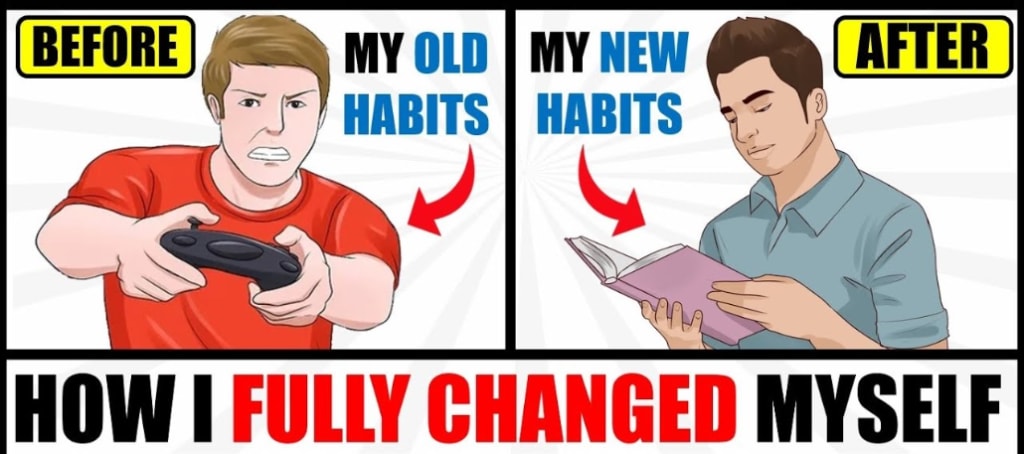
We all face challenges that seem insurmountable at first glance. Whether it's starting a new workout routine, tackling a tough project at work, or developing a new skill, these daunting tasks often make us want to quit before we even begin. However, the secret to overcoming these hurdles lies not in the tasks themselves but in how we perceive and approach them. By tricking your brain into enjoying hard tasks, you can achieve remarkable results and transform your life.
Understanding the Brain's Resistance
Our brains are wired to seek pleasure and avoid pain. This survival mechanism, while useful in prehistoric times, can be a significant obstacle in modern life. When faced with a difficult task, our brain immediately signals discomfort, pushing us towards easier, more enjoyable activities. Understanding this resistance is the first step in overcoming it.
The Power of Mindset
The way you think about a task significantly affects your ability to complete it. A positive mindset can make a world of difference. Here’s how to cultivate it:
Reframe the Challenge: Instead of viewing the task as hard or unpleasant, reframe it as an opportunity for growth and self-improvement. For instance, rather than thinking, "I have to exercise," think, "I get to improve my health and feel stronger."
Visualize Success: Spend a few minutes each day visualizing the successful completion of the task. Imagine the sense of accomplishment and the benefits that come with it. This positive visualization can motivate you to take action.
Set Clear, Achievable Goals: Break down the task into smaller, manageable steps. Setting specific, achievable goals gives you a roadmap to follow and a sense of progress as you complete each step.
Building Habits through Consistency
Habits are powerful because they operate on autopilot. By turning difficult tasks into habits, you can reduce the mental effort required to complete them. Here’s how to build habits that stick:
Start Small: Begin with a small, easy-to-accomplish version of the task. For example, if you want to start running, begin with a five-minute jog. Gradually increase the duration as the habit becomes ingrained.
Create a Routine: Consistency is key. Perform the task at the same time every day to build a routine. Over time, your brain will come to expect and even look forward to this activity.
Use Triggers: Identify triggers that prompt the desired behavior. A trigger could be a specific time of day, an event, or an environment. For example, laying out your workout clothes before bed can be a trigger to exercise in the morning.
Reward Yourself
Rewarding yourself for completing difficult tasks reinforces positive behavior and makes the process enjoyable. Here are some ways to reward yourself:
Immediate Rewards: Give yourself a small, immediate reward after completing a task. This could be a favorite snack, a few minutes of relaxation, or a short break.
Long-term Rewards: Set up a reward system for long-term goals. For instance, treat yourself to a nice dinner or a weekend getaway after reaching a significant milestone.
Celebrate Success: Take time to celebrate your achievements, no matter how small. Celebrating success boosts your morale and motivates you to tackle more challenging tasks.
The Role of Accountability
Accountability can significantly boost your commitment to completing difficult tasks. Here’s how to leverage it:
Find a Partner: Having someone to share your progress with can keep you motivated. A workout buddy, study partner, or mentor can provide encouragement and hold you accountable.
Public Commitments: Announce your goals to friends, family, or on social media. Public commitments create a sense of obligation to follow through.
Track Your Progress: Keep a journal or use an app to track your progress. Seeing your improvements over time can be incredibly motivating.
Conclusion
Tricking your brain into liking hard tasks is not about deception but about changing your mindset and habits. By reframing challenges, building consistent habits, rewarding yourself, and leveraging accountability, you can transform daunting tasks into enjoyable activities. Embrace these strategies, and watch as you conquer obstacles with ease and turn your toughest goals into achievable milestones.
Ever wonder why some people seem to thrive on challenges while others shy away from them? The secret often lies in how their brains are wired to perceive and respond to difficult tasks. With the right techniques, you can train your brain to not only handle hard things but to actually crave them. Here’s how to make your brain look forward to challenges and embrace them with enthusiasm.
Understand the Brain’s Natural Tendencies
The human brain is designed to seek pleasure and avoid pain, a survival mechanism that kept our ancestors safe. This can make hard tasks seem unappealing. However, by understanding this tendency, you can learn to override it and rewire your brain to find pleasure in challenges.
Embrace a Growth Mindset
Developing a growth mindset is key to making your brain crave hard things. A growth mindset, as opposed to a fixed mindset, embraces the idea that abilities and intelligence can be developed through effort and perseverance. Here’s how to cultivate a growth mindset:
View Challenges as Opportunities: Start seeing challenges as opportunities to grow and improve rather than as threats. This shift in perspective can make difficult tasks seem more appealing.
Focus on Learning: Emphasize the learning process over the outcome. When you focus on what you can learn from a challenge rather than just the end result, the journey becomes more enjoyable.
Celebrate Effort: Celebrate your efforts and progress, not just your successes. Acknowledge the hard work you put in, regardless of the outcome, to reinforce positive behavior.
Make Hard Tasks Enjoyable
One way to make your brain crave hard things is to associate them with positive experiences. Here are some strategies to make difficult tasks more enjoyable:
Gamify the Process: Turn challenging tasks into a game. Set goals, track your progress, and reward yourself for milestones reached. This can make the process more engaging and fun.
Incorporate Rewards: Use a reward system to reinforce positive behavior. Small rewards can create a positive association with hard tasks, making you more likely to enjoy them.
Find Intrinsic Motivation: Identify the intrinsic rewards of a hard task. Whether it’s the satisfaction of learning something new, the joy of mastering a skill, or the pride of overcoming a challenge, focus on these internal motivators.
Build Resilience Through Practice
Resilience is the ability to bounce back from setbacks and continue pursuing hard tasks. Building resilience can help you tackle challenges with a positive attitude. Here’s how to develop resilience:
Start Small: Begin with small, manageable challenges to build your confidence and resilience. Gradually increase the difficulty as you become more comfortable with facing hard tasks.
Practice Patience: Understand that resilience takes time to develop. Be patient with yourself and recognize that setbacks are part of the learning process.Billionaire Brain Wave reviews
Stay Positive: Maintain a positive outlook, even when things get tough. Positive thinking can help you stay motivated and focused on your goals.
Surround Yourself with Positivity
Your environment can greatly influence your mindset towards hard tasks. Surrounding yourself with positivity can make challenging tasks more appealing:
Join a Supportive Community: Engage with people who have a positive attitude towards challenges. Their encouragement and support can inspire you to embrace difficult tasks.
Seek Inspiration: Read books, listen to podcasts, or watch videos that motivate you to tackle hard things. Hearing about others’ success stories can fuel your own desire to take on challenges.
Limit Negative Influences: Minimize exposure to negative influences that discourage you from taking on challenges. Focus on surrounding yourself with positivity and encouragement.
Conclusion
Training your brain to crave hard things is a powerful way to unlock your full potential. By embracing a growth mindset, making hard tasks enjoyable, building resilience, and surrounding yourself with positivity, you can transform your attitude towards challenges. With practice, your brain will begin to seek out and thrive on difficult tasks, leading to greater success and fulfillment in all areas of your life. Embrace the challenge, and watch as you grow stronger and more capable each day.
About the Creator
peter
Content about :get rich, do business, and products such as vehicles, watches, shoes, clothes, household appliances
website: https://storebestlife.blogspot.com/
The goals I did not achieve
Every writing goal I made for the year is a wash. It has been this way for a while, but I think it's important to be open about my failures and the reality of how life can get in the way. This is especially true considering the several times I have posted on Vocal about my writing goals, how I was changing my approach, and where I was hoping to be for the upcoming year. I will probably do that again in a couple months, but for now, it is time to acknowledge where I am today.
By Kay Husnick18 days ago in Journal
Toto
“Hold the Line” by Toto: A Lesson in Patience, Strength, and Timing Some songs aren’t just hits — they’re lessons wrapped in melody. “Hold the Line” by Toto, released in 1978 as the band’s debut single, is one of those rare songs. With its instantly recognizable piano riff and driving rhythm, it’s easy to remember the tune, but harder to forget the message behind it. Underneath the polished rock sound is a story about patience, persistence, and trusting the timing of life, love, and opportunity.
By Sound and Spiritabout 7 hours ago in Journal


Comments (1)
Hey, just wanna let you know that this is more suitable to be posted in the Motivation community 😊