
How Hospital Management Software Uses Technology to Support Healthcare Infrastructure
Exploring the technologies, systems, and development trends shaping modern hospital operations

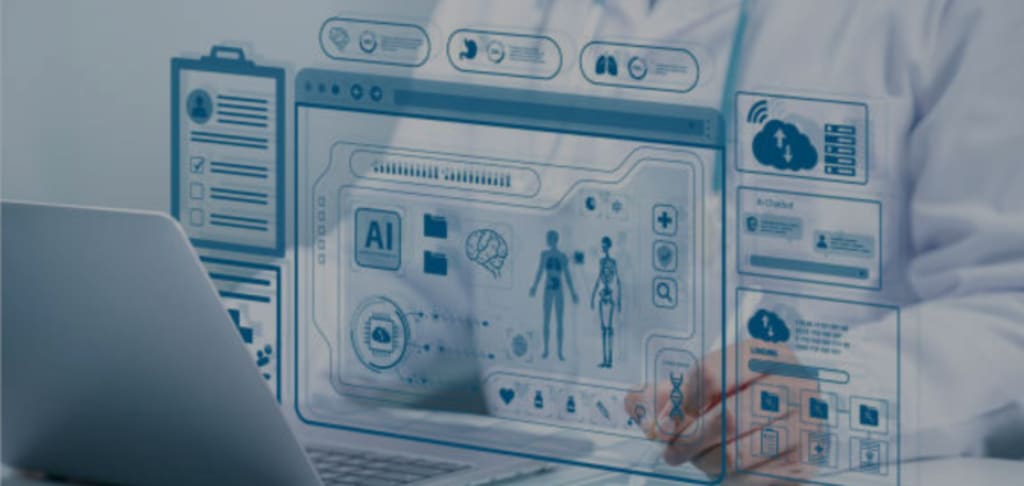
Healthcare infrastructure is no longer defined only by buildings, beds, or medical equipment. Today, it is powered just as much by technology as it is by clinical expertise. At the center of this shift lies hospital management software, a digital backbone that connects departments, streamlines workflows, and enables data-driven decision-making across healthcare organizations.
As hospitals face increasing patient volumes, regulatory pressure, and rising operational costs, technology-enabled hospital management systems have become essential. These platforms are not just administrative tools. They are strategic systems designed to support scalable, secure, and efficient healthcare infrastructure.
This article explores how hospital management software uses modern technology to strengthen healthcare systems, the core components involved, and the development of trends shaping the future of hospital operations.
Understanding Hospital Management Software in Modern Healthcare
Hospital management software is an integrated digital solution designed to manage clinical, administrative, financial, and operational functions within a hospital or healthcare facility. Unlike standalone tools, modern hospital systems unify multiple processes into a centralized platform.
A robust hospital management system typically supports:
• Patient registration and records
• Appointment scheduling and queue management
• Electronic health records integration
• Billing, insurance, and revenue cycle management
• Inventory and pharmacy management
• Staff scheduling and payroll
• Compliance, reporting, and analytics
What differentiates modern hospital management software from earlier systems is its reliance on advanced technologies such as cloud computing, artificial intelligence, interoperability standards, and data analytics.
The Role of Technology in Strengthening Healthcare Infrastructure
Healthcare infrastructure depends on continuity, accuracy, and speed. Technology enables hospitals to move away from fragmented processes and toward connected ecosystems that improve care delivery and operational resilience.
Hospital management software supports healthcare infrastructure by:
• Centralizing data across departments
• Reducing manual processes and paperwork
• Enabling real-time visibility into operations
• Supporting regulatory compliance and data security
• Improving coordination between clinical and non-clinical teams
These capabilities directly impact how efficiently hospitals function on a day-to-day basis.
Core Technologies Powering Hospital Management Software
Cloud Computing for Scalability and Accessibility
Cloud-based hospital management software has become the industry standard. Cloud infrastructure allows hospitals to scale resources based on demand while ensuring secure access to data across locations.
Key advantages include:
• Remote access for clinicians and administrators
• Faster deployment and updates
• Lower infrastructure and maintenance costs
• Built-in disaster recovery and data backups
Hospital management software development companies increasingly design cloud-native platforms to support multi-location hospitals and healthcare networks.
Electronic Health Records Integration
Electronic health records form the foundation of digital healthcare infrastructure. Modern hospital management systems integrate seamlessly with EHR platforms to ensure consistent and accurate patient data flow.
This integration enables:
• Unified patient histories across departments
• Faster clinical decision-making
• Reduced duplication of tests and records
• Improved continuity of care
Interoperability standards such as HL7 and FHIR are commonly used to ensure smooth data exchange between systems.
Artificial Intelligence and Automation
Artificial intelligence is transforming hospital management software from reactive systems into predictive platforms. AI-driven features help hospitals optimize resources and anticipate operational challenges.
Common AI applications include:
• Predictive patient admission forecasting
• Automated appointment scheduling
• Clinical decision support systems
• Intelligent billing and claims validation
• Chatbots for patient queries and support
Automation reduces administrative workload and allows healthcare staff to focus more on patient care.
Data Analytics for Operational Insights
Healthcare infrastructure generates massive amounts of data. Hospital management software uses analytics tools to convert this data into actionable insights.
Analytics dashboards help hospital leaders:
• Monitor bed occupancy and resource utilization
• Track financial performance and revenue leakage
• Identify workflow bottlenecks
• Improve patient outcomes through data trends
Advanced reporting capabilities are now a standard expectation when selecting a hospital management software development company.
Internet of Medical Things Integration
Connected medical devices are becoming part of hospital ecosystems. Hospital management systems integrate with medical devices to support real-time monitoring and asset management.
Benefits include:
• Automated vitals capture
• Real-time equipment tracking
• Preventive maintenance scheduling
• Reduced manual data entry errors
This level of connectivity strengthens hospital infrastructure by improving accuracy and responsiveness.
How Hospital Management Software Supports Key Hospital Functions
Improving Clinical Workflow Efficiency
Technology-enabled hospital management software reduces delays and communication gaps between departments.
It supports clinical workflows by:
• Digitizing patient records and orders
• Streamlining lab and radiology requests
• Enabling faster discharge processes
• Supporting real-time collaboration among care teams
Efficient workflows lead to improved patient satisfaction and reduced operational strain.
Enhancing Administrative Operations
Administrative processes often create hidden inefficiencies within hospitals. Hospital management software automates routine tasks and standardizes operations.
Key improvements include:
• Faster patient registration and admissions
• Automated billing and insurance processing
• Improved staff scheduling and attendance tracking
• Centralized document management
These efficiencies contribute directly to cost control and compliance readiness.
Strengthening Financial Management
Hospital infrastructure sustainability depends on strong financial systems. Hospital management software provides end-to-end revenue cycle management.
Financial features typically include:
• Automated billing workflows
• Claims processing and reconciliation
• Revenue tracking and forecasting
• Compliance with healthcare billing standards
A hospital management software development company with domain expertise ensures financial modules align with regional healthcare regulations.
Supporting Regulatory Compliance and Data Security
Healthcare organizations operate under strict regulatory frameworks. Technology-enabled hospital management systems are designed with compliance and security at their core.
Security and compliance features include:
• Role-based access control
• Audit logs and activity tracking
• Data encryption at rest and in transit
• HIPAA compliance with region-specific data protection standards
These capabilities protect sensitive patient information while ensuring operational transparency.
Development Trends Shaping Hospital Management Software
Shift Toward Modular and Customizable Platforms
Hospitals have diverse operational needs. Modern hospital management software development focuses on modular architectures that allow facilities to select only the features they need.
Advantages include:
• Faster implementation
• Lower initial investment
• Easier future upgrades
• Better alignment with hospital workflows
Customization is now a key differentiator among hospital management software development companies.
Emphasis on Interoperability and Ecosystem Integration
Hospitals use multiple systems across clinical and administrative functions. Interoperability has become a top priority in software development.
Modern systems are built to integrate with:
• Laboratory information systems
• Radiology systems
• Pharmacy platforms
• Insurance and payer systems
• Government health databases
This interconnected approach strengthens healthcare infrastructure by reducing data silos.
User-Centric Design and Usability
Technology adoption depends on usability. Hospital management software is increasingly designed with intuitive interfaces and role-based dashboards.
User-focused design improves:
• Staff adoption rates
• Training efficiency
• Workflow accuracy
• Overall system effectiveness
A strong development company prioritizes usability alongside functionality.
Mobile and Remote Access Capabilities
Mobile access has become essential for healthcare professionals. Hospital management software now supports mobile applications and responsive interfaces.
Mobile capabilities enable:
• Remote patient data access
• Faster clinical decision-making
• Improved on-call responsiveness
• Continuity of operations during emergencies
This flexibility is critical for modern healthcare infrastructure.
The Future of Technology-Enabled Healthcare Infrastructure
Hospital management software will continue to evolve as healthcare demands grow more complex. Future developments are expected to focus on:
• Advanced AI-driven predictive systems
• Greater integration with telehealth platforms
• Enhanced population health management tools
• Real-time operational intelligence
• Sustainable and energy-efficient IT infrastructure
As hospitals move toward value-based care models, technology-enabled systems will play a central role in aligning clinical quality with operational efficiency.
Conclusion
Hospital management software is no longer an optional digital upgrade. It is a foundational component of modern healthcare infrastructure. By leveraging technologies such as cloud computing, AI, analytics, and system interoperability, hospitals can build resilient, efficient, and patient-centric operations.
For healthcare organizations, investing in the right hospital management software and partnering with an experienced hospital management software development company is a strategic decision that directly impacts long-term sustainability.
As healthcare continues its digital transformation, technology-enabled hospital management systems will remain at the core of smarter, more connected healthcare delivery.
About the Creator
Ethan Hunt
I share insights about healthcare app development, telemedicine, SaaS solutions, life sciences technology, and clinical trial management. I talk about EHR/EMR, AI in healthcare, telemedicine platforms, and more.
Keep reading
More stories from Ethan Hunt and writers in Journal and other communities.
How Predictive Analytics Is Changing Clinical Trials: A Smarter Approach to Risk Stratification and Decision-Making
In the rapidly evolving world of healthcare research, clinical trials are becoming increasingly complex, data-heavy, and time-sensitive. With growing expectations for safety, efficiency, and personalization, research teams are looking for smarter ways to design and manage trials.
By Ethan Hunt10 months ago in Education
~ Fired ~
— Ai Intrusion ~ Are you Next ~ Is Ai Evolution after your job? — Few workplaces haven't been affected. Ai is in supermarkets, at doctors' offices, and even monitoring farms. I just can't think of anything this machine is not getting into, can you? For instance: Education ~ Law and Tech jobs will one day have a major influence or be taken over by these inanimate machines, with accuracy and vigor. From mechanics' diagnoses to a wide variety of everyday jobs, including fast food workers, with this input having the ability to cut their unnecessary work hours. I'm certain all of us have been touched by this with our short stories and colorful headings, have you? Even comments are very questionable 'Non-Robot' insertions.
By Jay Kantor5 days ago in Journal
The Devil's Triangle
The sails ruffled in the breeze as we cruised along. The Sea Breeze was a mid-size catamaran that sailed out of Royal Naval Dockyard in Bermuda. We had booked this trip weeks in advance and were now looking at our Captain, Spike and two boat hands. Paddy and Wilson seemed like nice guys, joking around with the passengers and telling us some stories about Bermuda that only locals would know. Their island accents sounded almost British but they were pleasant to listen to.
By Barbara Gode Wiles3 days ago in Fiction




Comments
There are no comments for this story
Be the first to respond and start the conversation.